

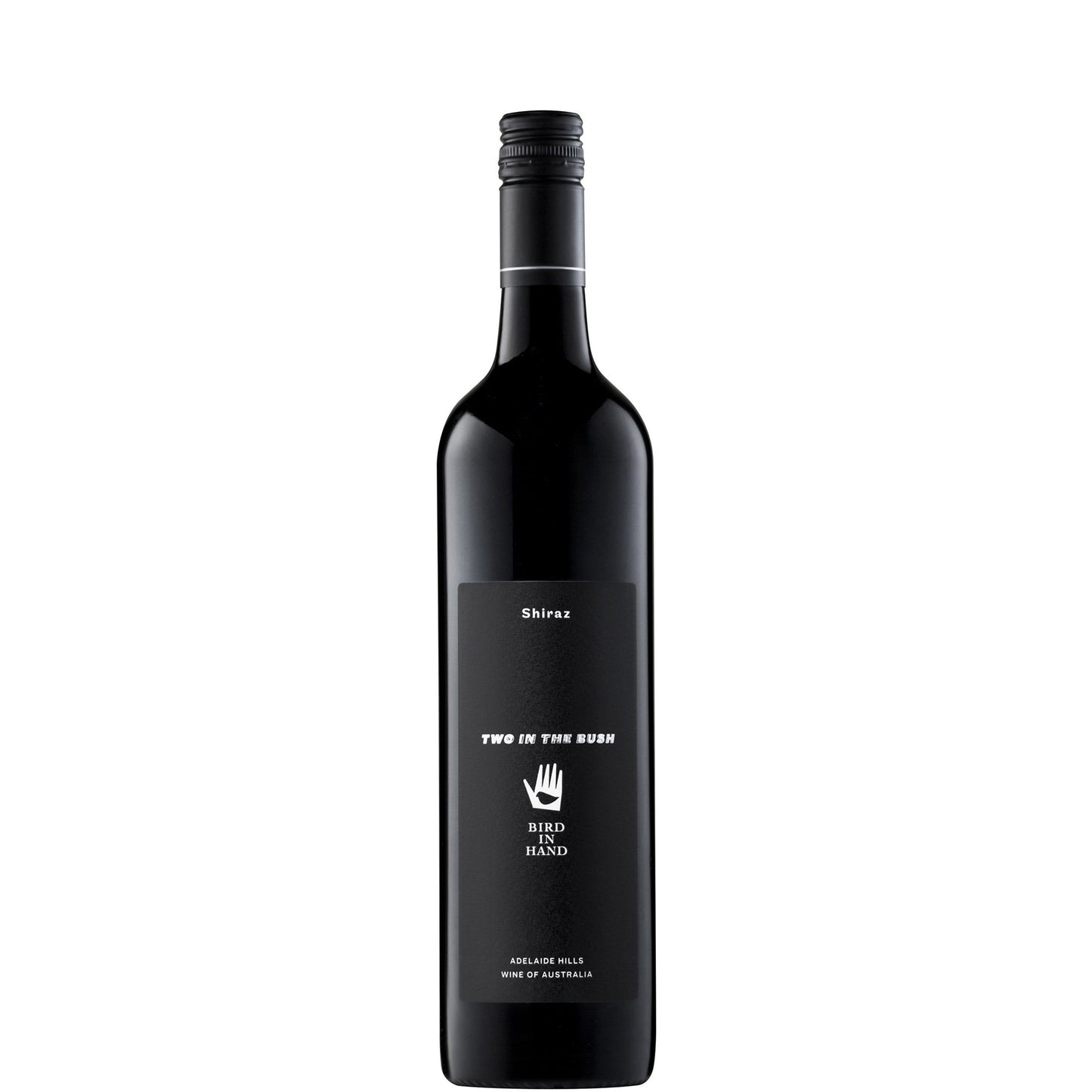
Bird in Hand, Two in the Bush Shiraz, 2020
Bird in Hand, Two in the Bush Shiraz, 2020
- Red Still
- 75CL
- 14.5%
- Shiraz
Couldn't load pickup availability
Bird in Hand's Two in the Bush Shiraz 2020 exemplifies the refined, cool-climate expression of Shiraz that has made Adelaide Hills a compelling alternative to the Barossa's muscle. This is Shiraz with restraint and precision, where elevation and maritime influence temper the variety's natural exuberance into something altogether more sophisticated.
Dense purple-black fruit anchors the wine, but it's the interplay of white pepper, violet perfume, and mineral tension that defines its character. The Adelaide Hills terroir brings natural acidity and structure that frames the fruit beautifully, creating a Shiraz that will drink well now but rewards patience until 2035.
Currently showing primary blackberry and plum fruit with well-integrated oak, the wine will begin developing secondary complexity around 2028-2030 as the fruit integrates further with the mineral backbone. The natural acidity will help preserve freshness while allowing savoury elements like leather, earth, and dried herbs to emerge over the next 5-7 years. Peak drinking will likely occur between 2030-2033, when the fruit remains vibrant but has gained additional layers of complexity. The wine should hold well until 2035, though the primary fruit charm may begin to fade in favour of more tertiary, savoury characteristics.
Tasting Notes
AppearanceDeep purple-black core with violet rim, showing impressive concentration and youth.
NoseImmediately appealing aromatics of blackberry compote and dark plum, lifted by white pepper and crushed violets. Underlying mineral notes suggest graphite and wet stone, while subtle oak integration provides vanilla and cedar without overwhelming the fruit. The perfume develops in the glass, revealing lavender and dried herb nuances.
PalateMedium to full-bodied with excellent fruit concentration balanced by natural acidity and fine-grained tannins. Dark berry flavours dominate the mid-palate, supported by peppercorn spice and mineral tension that prevents any sense of heaviness. The oak is well-judged, adding texture and vanilla sweetness without masking the fruit's purity. Fresh acidity keeps the wine lively and focused throughout.
FinishLong and savoury, with lingering pepper spice and mineral notes that echo the cool-climate terroir.
Overall impressionA sophisticated cool-climate Shiraz that prioritises elegance and terroir expression over raw power.
Food Pairings
Adelaide Hills locals pair their elegant Shiraz with native game meats like kangaroo and venison, often prepared simply over wood fires to complement the wine's peppery character. The region's proximity to Adelaide means excellent access to fresh seafood, and the wine works beautifully with char-grilled tuna or salmon. Local restaurants favour pairing it with grass-fed beef from the Hills' own pastures, often served with native pepper berry and bush tomato seasonings. The wine also complements the region's artisanal cheeses, particularly aged cheddars and goat cheeses produced in the cooler valleys.
We think this wine would go well with
Serve at 16-18°C to allow the aromatics to express fully while maintaining the wine's structural elegance. Decant for 30-45 minutes to integrate the oak and soften the tannins, though this isn't essential for immediate drinking. Use large Burgundy glasses rather than traditional Bordeaux bowls to capture the wine's delicate perfume and allow the cool-climate character to shine. The wine benefits from being opened an hour before serving to allow the primary fruit to integrate with the mineral and spice components.
The Adelaide Hills' elevated vineyards sit between 400-600 metres above sea level, benefiting from cooling maritime breezes that extend the growing season and preserve natural acidity. The region's ancient soils are predominantly clay over limestone with ironstone bands, providing excellent drainage while retaining enough moisture for steady ripening. Cool nights during harvest allow Shiraz to develop complex aromatics while maintaining the fresh acidity that distinguishes Adelaide Hills reds from their warmer-climate cousins. This terroir creates Shiraz with natural elegance and mineral backbone rather than the dense power found in hotter regions.
Adelaide Hills gained GI status in 1998 and has rapidly established itself as one of Australia's premier cool-climate regions for both whites and elegant reds. Located in the Mount Lofty Ranges southeast of Adelaide, the region's elevation and maritime influence create growing conditions more akin to European wine regions than traditional Australian heat. The appellation is particularly renowned for Chardonnay and Sauvignon Blanc, but plantings of Shiraz and Pinot Noir have shown that the region excels at refined reds that emphasise finesse over power. Adelaide Hills wines consistently show higher natural acidity and more restrained alcohol levels than their warm-climate Australian counterparts.
The 2020 vintage in Adelaide Hills was shaped by a challenging growing season that tested producers' skills and vineyard management. The year began with drought conditions and below-average rainfall, followed by extreme heat events that stressed vines across the region's elevated sites. Smoke from the devastating bushfires that swept through South Australia created additional concerns, though many Adelaide Hills vineyards at higher altitudes escaped the worst impacts. Harvest timing proved crucial, with experienced growers picking earlier than usual to preserve freshness and avoid further heat damage.
Despite the difficulties, 2020 produced wines of surprising quality, particularly from producers who managed their vineyards conservatively and harvested judiciously. Chardonnay performed exceptionally well, showing concentrated flavours with good natural acidity, while Pinot Noir delivered wines with more structure and intensity than typical cool-climate expressions. Sauvignon Blanc retained its characteristic brightness where yields were controlled. The wines display greater power and concentration than usual for this cool-climate region, with most ready to drink now though the best Chardonnays and Pinot Noirs will reward cellaring for 5-8 years.
FAQs
Why is Adelaide Hills Shiraz different from Barossa Shiraz?
The cooler climate and higher elevation of Adelaide Hills creates Shiraz with natural acidity, lower alcohol, and more pepper-spice character rather than the dense, chocolatey power typical of Barossa. The result is more elegant and food-friendly.
Should I cellar this wine or drink it now?
While approachable now, this wine will develop additional complexity over the next 5-8 years. The natural acidity and fine tannin structure suggest it will age gracefully until 2035, with peak drinking around 2030-2033.
What makes Bird in Hand distinctive in Adelaide Hills?
Bird in Hand focuses on minimal intervention winemaking and estate-grown fruit, allowing the distinctive Adelaide Hills terroir to express clearly. Their Shiraz shows the region's potential for elegant, cool-climate expression of this variety.
How does the 2020 vintage rate in Adelaide Hills?
2020 was an excellent vintage in Adelaide Hills, with ideal weather conditions creating wines with concentrated fruit and natural balance. The vintage produced Shiraz with excellent aging potential and immediate appeal.
What food styles work best with this wine?
The wine's pepper-spice character and medium body make it excellent with grilled meats, game, and dishes with earthy or herbal elements. It's more versatile with food than bigger, more powerful Shiraz styles.
Is this wine ready to drink without decanting?
The wine is approachable now but benefits from 30-45 minutes of decanting to integrate the oak and allow the aromatics to develop fully. It's not essential but enhances the drinking experience.
-
Free UK Delivery
Learn about deliveryGet free UK delivery when you spend £75 or more on duty paid wine
-
Save 30% on a host of quality wines
Our fine wines are sourced from our sister retailers, but offered at a substantial discount to their previous selling prices.