
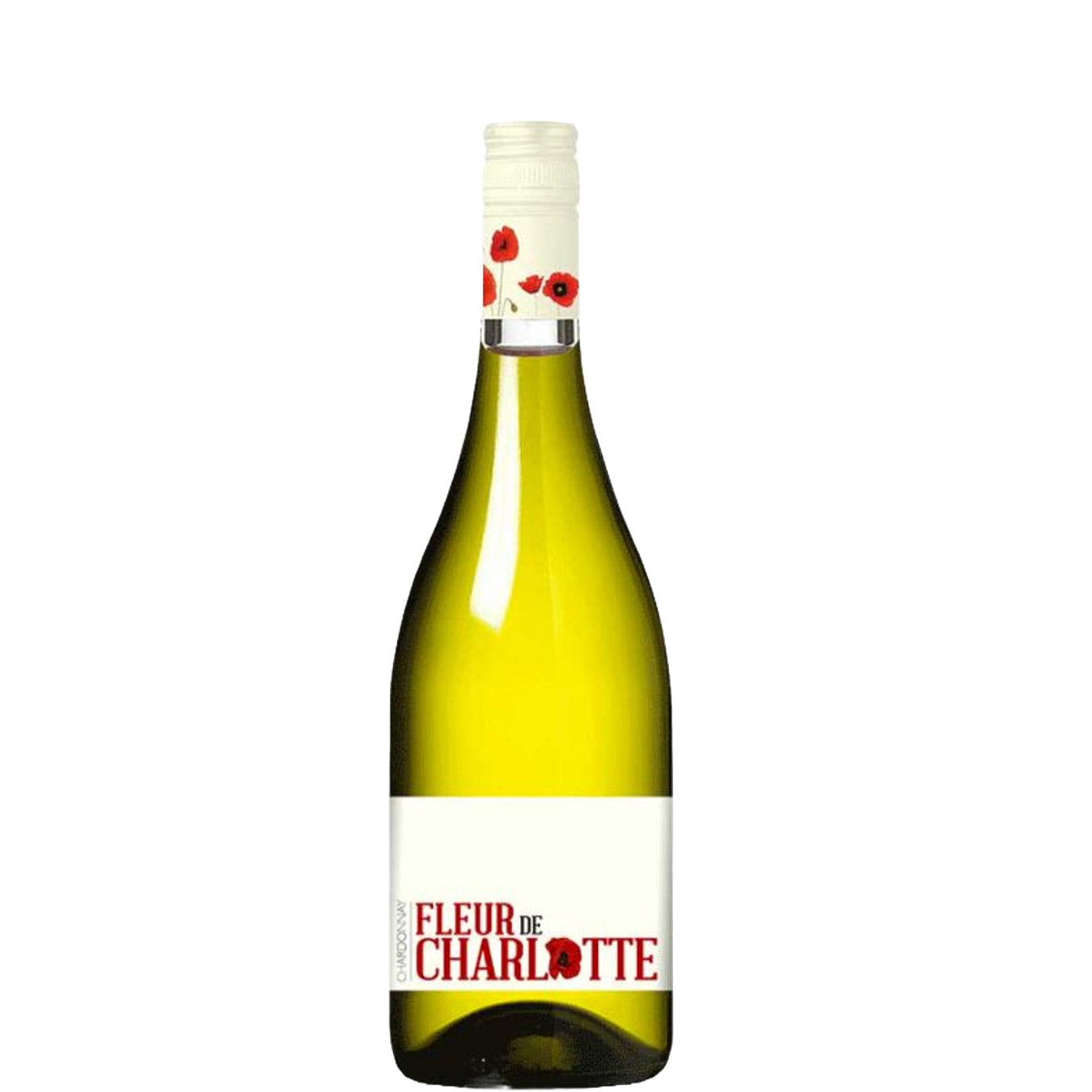
Château Canet, Fleur De Charlotte Chardonnay, 2024
Château Canet, Fleur De Charlotte Chardonnay, 2024
- White Still
- 75CL
- 12.5%
- Chardonnay
Couldn't load pickup availability
Château Canet's Fleur De Charlotte represents a fresh expression of Chardonnay from the dynamic Languedoc region. The 2024 vintage captures the estate's commitment to producing elegant, terroir-driven whites that showcase the variety's natural acidity and fruit character without excessive oak influence.
This wine displays the hallmark freshness that makes Languedoc Chardonnay such compelling value. Best enjoyed young to capture its vibrant citrus character and mineral precision, it drinks beautifully now until 2028.
This 2024 vintage is designed for early consumption whilst the primary fruit character remains vibrant and the acidity is at its most refreshing. Over the next year, the stone fruit flavours will integrate further, and subtle honeyed character may develop. The wine will maintain its freshness until 2028, after which the fruit will begin to fade and the mineral character will dominate. Drink now for maximum vibrancy.
Tasting Notes
AppearancePale gold with brilliant clarity and a slight green tinge around the rim.
NoseFresh white peach and green apple dominate the aromatics. Subtle citrus zest adds brightness, whilst a delicate floral character emerges with time in the glass. There's a clean, mineral quality that speaks to the limestone soils.
PalateMedium-bodied with excellent natural acidity that carries the stone fruit flavours across the palate. The texture is clean and precise rather than rich, with citrus pith adding structure. A gentle saline quality appears on the mid-palate, balanced by ripe pear and apple flavours.
FinishClean and refreshing with lingering citrus and a subtle chalky minerality.
Overall impressionAn honest, well-made Chardonnay that prioritises freshness and terroir expression over oak or manipulation.
Food Pairings
In the Languedoc, crisp white wines like this naturally accompany the region's abundant seafood from the Mediterranean coast. Local favourites include grilled sea bass with herbs de Provence, bourride (a rich fish stew with aioli), and fresh oysters from the Étang de Thau. The wine also pairs beautifully with the area's excellent goat cheeses, particularly the creamy Pélardon, and simple preparations of langoustines or prawns with garlic and parsley.
We think this wine would go well with
Serve well-chilled at 8-10°C in a medium-sized white wine glass to concentrate the aromatics. No decanting required - this wine benefits from being served directly from a chilled bottle. The glass should be filled no more than one-third full to allow the delicate aromatics to develop properly.
The vineyards benefit from the Mediterranean climate of the Languedoc, with warm, dry summers and mild winters. The soils combine limestone and clay, providing good drainage while retaining sufficient moisture for the vines. Cool mistral winds help preserve natural acidity in the grapes, whilst the generous sunshine ensures full phenolic ripeness.
The Languedoc encompasses France's largest wine region, stretching from Nîmes to the Spanish border. Once known primarily for bulk production, the region has transformed dramatically since the 1980s, with quality-focused estates producing increasingly sophisticated wines. The diverse terroir and Mediterranean climate prove particularly suited to both international varieties like Chardonnay and traditional southern French grapes.
The 2024 growing season in Southern France delivered the kind of textbook conditions that winemakers dream about. A mild winter provided adequate rainfall to replenish water reserves, followed by a warm, dry spring that encouraged healthy flowering across the region's vineyards. Summer brought sustained heat without the punishing extremes that have characterised recent years, allowing grapes to ripen steadily while retaining crucial acidity. Harvest began in early September under ideal conditions, with producers able to pick at optimal ripeness without racing against rain or excessive heat.
The resulting wines display exceptional balance and concentration, with red varieties like Grenache and Syrah showing particular promise. These wines combine ripe fruit character with well-integrated tannins and fresh acidity that should ensure excellent ageing potential. Early tastings suggest this vintage will be approachable young but reward cellaring for 10-15 years for the finest reds. White wines from varieties like Roussanne and Marsanne are already drinking beautifully, offering immediate pleasure while the best examples will develop complexity over the next 3-5 years.
FAQs
How does this compare to Burgundian Chardonnay?
This Languedoc expression emphasises freshness and minerality over the richer, more complex character typical of Burgundy. It's more immediately approachable and fruit-forward, without the oak integration and ageing potential of premier Burgundian examples.
What food should I avoid with this wine?
Avoid heavily spiced dishes, rich cream sauces, or strongly flavoured red meats that would overpower the wine's delicate character. Very oaky dishes or anything with excessive heat will also clash with its fresh, clean profile.
Is this wine suitable for ageing?
This style is crafted for early consumption rather than long-term cellaring. While it will remain pleasant until 2028, it won't develop additional complexity with age and is best enjoyed for its youthful freshness and fruit character.
What makes Languedoc Chardonnay distinctive?
The Mediterranean climate produces riper fruit flavours than cooler regions, whilst limestone soils provide mineral structure. The result is typically more generous and approachable than northern French styles, with excellent natural acidity preserved by cooling influences.
Should I decant this wine?
No decanting necessary - serve directly from the bottle at proper temperature. The wine's character is best preserved by minimising air exposure before serving, though it will develop pleasant aromatics in the glass over 15-20 minutes.
What glass should I use?
A medium-sized white wine glass works best - large enough to concentrate the aromatics but not so wide as to dissipate the delicate fruit character. Avoid oversized Burgundy glasses which may make the wine seem thin.
-
Free UK Delivery
Learn about deliveryGet free UK delivery when you spend £75 or more on duty paid wine
-
Save 30% on a host of quality wines
Our fine wines are sourced from our sister retailers, but offered at a substantial discount to their previous selling prices.