

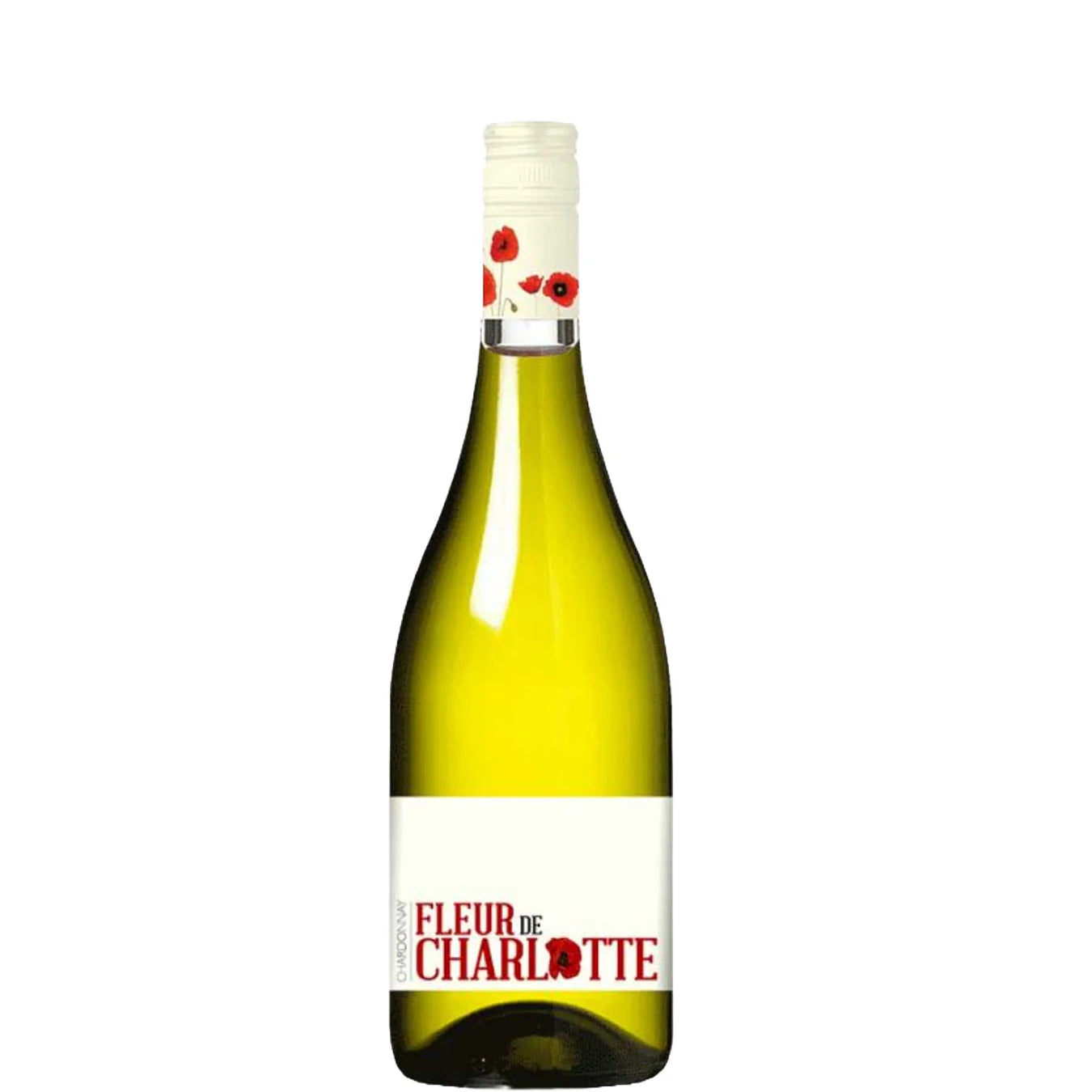
Château Canet, Fleur De Charlotte Chardonnay, 2025
Château Canet, Fleur De Charlotte Chardonnay, 2025
- White Still
- 75CL
- 13%
- Chardonnay
Couldn't load pickup availability
Château Canet's Fleur De Charlotte represents a modern interpretation of Languedoc Chardonnay, crafted from carefully selected parcels in the cooler sectors of their estate. This 2025 vintage captures the balance between Mediterranean warmth and Atlantic freshness that defines the region's finest white wines.
The wine displays characteristic Languedoc minerality alongside restrained oak treatment, creating a Chardonnay that speaks clearly of place. Best enjoyed over the next three years whilst the primary fruit remains vibrant, though the wine's structure suggests graceful development through 2029.
This 2025 vintage will show at its peak freshness through 2027, with primary citrus and stone fruit flavours most prominent. By 2028, expect greater integration between fruit and oak with developing honeyed character. The wine should maintain its appeal through 2029, though the bright acidity will gradually soften. Beyond this point, the wine may lose its defining freshness and balance.
Tasting Notes
AppearancePale gold with green highlights, clear and bright in the glass.
NoseFresh citrus blossom and white peach aromas lead, supported by subtle vanilla and toasted hazelnut from oak contact. Mineral undertones add complexity without overwhelming the fruit expression. The aromatics show good intensity whilst remaining elegant and focused.
PalateMedium-bodied with crisp acidity driving flavours of lemon zest, green apple, and ripe pear. Oak integration is seamless, adding texture rather than overt flavour. The mineral backbone provides structure and length. Balance between fruit, acidity, and oak shows skilled winemaking.
FinishClean and persistent with lingering citrus and subtle spice, showing good length for the price point.
Overall impressionA well-made Languedoc Chardonnay that delivers character and food compatibility at an accessible level.
Food Pairings
In the Languedoc, this style of Chardonnay traditionally accompanies the region's abundant seafood, particularly grilled sea bass with herbs and olive oil. Local preparations of monkfish with saffron and fennel make excellent pairings, as do the area's goat cheeses from the Cévennes hills. Cassoulet from neighbouring Toulouse, whilst rich, finds balance with the wine's acidity. The wine also complements the region's vegetable-focused dishes featuring aubergine, courgette, and tomato.
We think this wine would go well with
Serve chilled at 10-12°C in generous white wine glasses to allow the aromatics to develop properly. No decanting required, though opening 15 minutes before service allows the wine to express fully. Avoid over-chilling which would mute the subtle oak and fruit integration. Standard Burgundy-style glasses work well, though universal wine glasses are perfectly adequate.
The Chardonnay vineyards benefit from limestone-clay soils with good drainage, typical of the better Languedoc sites. The Mediterranean climate provides reliable ripening conditions whilst Atlantic influences moderate summer heat. Elevation and exposure are carefully managed to retain acidity and prevent overripeness. These geological and climatic factors combine to produce Chardonnay with both richness and freshness.
The Languedoc appellation covers vast vineyard areas across southern France, from coastal plains to hillside sites. Regulations permit extensive grape varieties including international varieties like Chardonnay alongside traditional Mediterranean grapes. The region's diversity means quality varies considerably, with the best producers focusing on site selection and yield control. Languedoc whites have gained recognition for their value and food-friendly style compared to more expensive northern French regions.
The 2025 vintage in Languedoc benefited from a particularly well-balanced growing season that reminded many producers of the region's finest years. Spring arrived with steady temperatures and adequate rainfall, setting the vines up for healthy development without the excessive vigour that can dilute flavours. Summer brought the warm, dry conditions that Languedoc thrives on, with sufficient heat to ripen the thick-skinned varieties like Syrah and Mourvèdre whilst avoiding the punishing extremes that can shut down photosynthesis. Harvest timing proved crucial, with most estates picking earlier than usual to preserve the bright acidity that gives these wines their backbone.
The vintage character leans towards elegance rather than power, producing wines with excellent concentration but notable freshness. Syrah performed exceptionally well, showing the peppery complexity and dark fruit depth that makes Languedoc examples so compelling. Grenache retained beautiful purity of fruit, whilst Mourvèdre achieved full phenolic ripeness without the rustic tannins that can mar lesser years. The whites, particularly Roussanne and old-vine Carignan Blanc, display lovely mineral precision. Most 2025 Languedoc wines are drinking beautifully now, though the structured reds from top estates will continue developing for another 8-12 years.
FAQs
How does this compare to Burgundian Chardonnay?
Fleur De Charlotte offers a warmer, more immediately approachable style than most Burgundy, with riper fruit flavours and less mineral austerity. The oak treatment is similar but the underlying character reflects Mediterranean rather than continental climate influence.
What food pairings work best?
The wine excels with grilled fish, roast chicken, and creamy pasta dishes. Its balanced acidity handles rich preparations whilst the fruit character complements lighter fare. Avoid pairing with heavily spiced or very oily dishes.
Should I cellar this wine?
This Chardonnay is designed for relatively early consumption. Whilst it will hold through 2029, it's best enjoyed within three years of release to capture its fresh fruit character and balanced oak integration.
How was this wine made?
Expect a combination of stainless steel and oak fermentation, with controlled malolactic fermentation to maintain acidity whilst adding texture. Oak treatment appears moderate, likely using a mix of new and used barrels with limited lees stirring.
Is this wine good value?
For Languedoc Chardonnay, this represents solid quality at the estate's premium level. The wine delivers complexity and food compatibility, though it commands a price premium over basic regional offerings due to the estate's reputation and careful winemaking.
-
Free UK Delivery
Learn about deliveryGet free UK delivery when you spend £75 or more on duty paid wine
-
Save 30% on a host of quality wines
Our fine wines are sourced from our sister retailers, but offered at a substantial discount to their previous selling prices.