

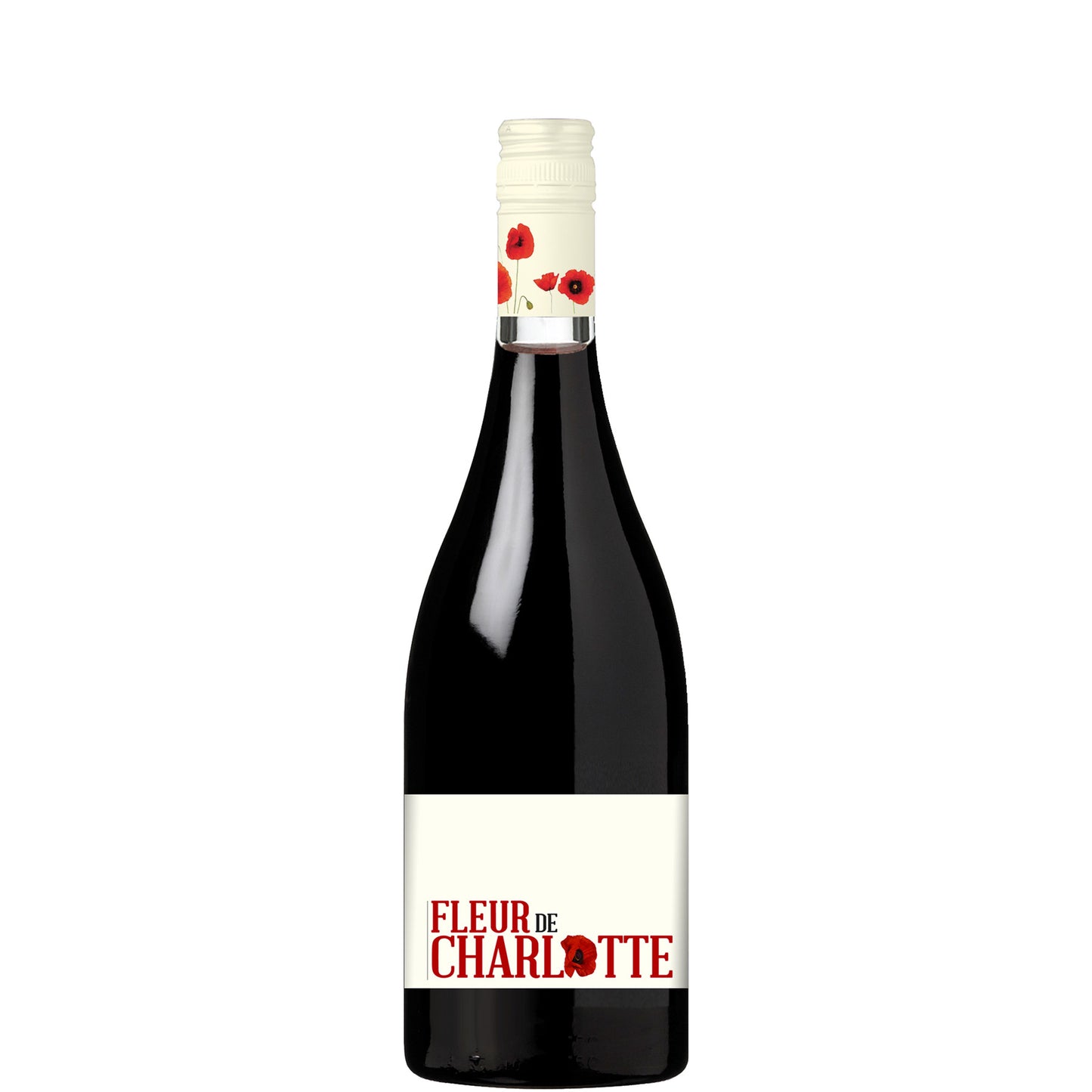
Château Canet, Fleur de Charlotte Malbec, 2025
Château Canet, Fleur de Charlotte Malbec, 2025
- Red Still
- 75CL
- 13.5%
- Malbec
Couldn't load pickup availability
Château Canet's Fleur de Charlotte represents the estate's premium Malbec selection from the ancient terroir of Cahors. This 2025 vintage captures the essence of France's original Malbec homeland, where the grape has been cultivated for over 800 years on the limestone causses above the Lot valley.
The wine displays characteristic Cahors intensity with blackberry and damson fruit, graphite minerality from the limestone soils, and well-integrated oak that adds structure without overwhelming the fruit. Built for cellaring, this wine will reward patience as its firm tannins soften and tertiary complexity emerges over the next decade.
Currently showing primary fruit character with oak integration still developing. The wine will begin to show its best from 2028 as tannins soften and fruit-oak integration completes. Secondary complexity including leather, tobacco and earthy minerals will emerge around 2030-2032. The wine should hold its peak through the mid-2030s before beginning a slow, graceful decline whilst retaining its essential structure.
Tasting Notes
AppearanceDeep purple-black with violet rim, almost opaque in the glass.
NoseConcentrated blackberry and damson fruit dominates initially. Graphite pencil shavings and crushed limestone emerge with air, alongside cedar and vanilla from quality oak ageing. Subtle violet florals add complexity.
PalateFull-bodied with impressive concentration of dark fruit flavours. Firm, ripe tannins provide structure without excessive astringency. The limestone minerality cuts through the richness, whilst integrated oak adds spice and length. Good acidity maintains freshness despite the wine's power.
FinishLong and mineral-driven with lingering dark fruit and a touch of liquorice.
Overall impressionA serious, structured Cahors that perfectly balances power with elegance and will reward extended cellaring.
Food Pairings
In Cahors, this style of Malbec traditionally accompanies the rich cuisine of south-west France. Locals pair it with cassoulet, the hearty white bean stew with duck confit and Toulouse sausage, or with magret de canard aux cèpes during truffle season. The wine's structure makes it perfect with the region's famous Rocamadour goat's cheese aged in caves, whilst its tannins complement slow-braised beef with walnuts from the surrounding Périgord region.
We think this wine would go well with
Serve at 16-18°C after decanting for 90 minutes to allow the wine to open fully. The firm tannins benefit from aeration, whilst decanting helps separate any sediment. Use large Bordeaux glasses to concentrate the aromatics whilst allowing the wine to breathe. This young vintage particularly benefits from extended decanting or double-decanting.
The vineyards sit on the limestone causses of Cahors at 300 metres elevation, with thin topsoil over deep limestone bedrock. This poor, well-draining soil forces the Malbec vines to dig deep, creating wines with distinctive mineral backbone and concentration. The continental climate with Atlantic influences provides warm days and cool nights, essential for maintaining acidity whilst achieving full phenolic ripeness in this late-ripening variety.
Cahors AOC requires a minimum 70% Malbec, though most producers like Château Canet use 100% for their premium cuvées. Known as the 'black wine' of Cahors, this appellation produces some of France's most structured and age-worthy Malbecs. The limestone terroir here gives wines greater minerality and finesse compared to New World Malbec, whilst maintaining the variety's characteristic power and colour intensity.
The 2025 growing season in Cahors brought mixed conditions that tested producers' skills throughout the year. Spring arrived with promising warmth, encouraging healthy bud break across the appellation's limestone plateaux and alluvial terraces. However, summer proved challenging with periods of intense heat followed by welcome but sometimes disruptive rainfall. The varied microclimates of Cahors showed their worth during these testing months, with vineyards on the higher causses faring differently from those closer to the Lot river. Harvest timing became crucial, with experienced producers working swiftly to capture optimal ripeness while maintaining the natural acidity that defines great Cahors.
Malbec responded well to the vintage conditions, producing wines with good concentration and the structured tannins that age gracefully in bottle. The 2025s display honest, regional character rather than exceptional power, making this a vintage that will reward careful selection from committed producers. Quality varies notably across the appellation, with the most successful wines showing classic Cahors backbone alongside appealing dark fruit flavours. These wines will benefit from three to five years of cellaring before showing their best, with the finest examples likely to develop well over the following decade.
FAQs
Why is this wine more expensive than New World Malbec?
Cahors represents Malbec's historic homeland with centuries of terroir knowledge. The limestone soils and continental climate create wines of greater complexity and aging potential than most New World examples. Limited production from old vines and traditional winemaking methods also contribute to higher costs.
How long should I cellar this vintage?
This 2025 vintage is built for medium-term aging. Drink from 2028 for early enjoyment, though the wine will reach its peak around 2030-2032. It should remain excellent until 2038, possibly longer with proper storage.
What makes Cahors Malbec different from Argentine versions?
Cahors Malbec grows on limestone at lower temperatures, creating wines with more mineral backbone and restraint. Argentine Malbec from high-altitude sites shows riper fruit and softer tannins. Cahors maintains European elegance whilst Argentine versions often display New World power and immediacy.
Should I decant this wine?
Yes, decanting for 90 minutes is recommended, especially for this young vintage. The firm tannins and concentrated structure benefit significantly from aeration. Double-decanting can be even more effective for showing the wine at its best.
What food pairings work best?
The wine's structure makes it ideal for red meat dishes, particularly lamb and beef. Game birds, aged hard cheeses, and rich stews all work excellently. The mineral backbone also complements mushroom dishes and truffle preparations.
Is this wine ready to drink now?
While technically drinkable, this wine will show much better with 2-3 years of additional cellaring. The tannins are currently quite firm and the wine hasn't yet developed its full complexity. Patience will be rewarded with a much more harmonious and complex wine.
-
Free UK Delivery
Learn about deliveryGet free UK delivery when you spend £75 or more on duty paid wine
-
Save 30% on a host of quality wines
Our fine wines are sourced from our sister retailers, but offered at a substantial discount to their previous selling prices.