

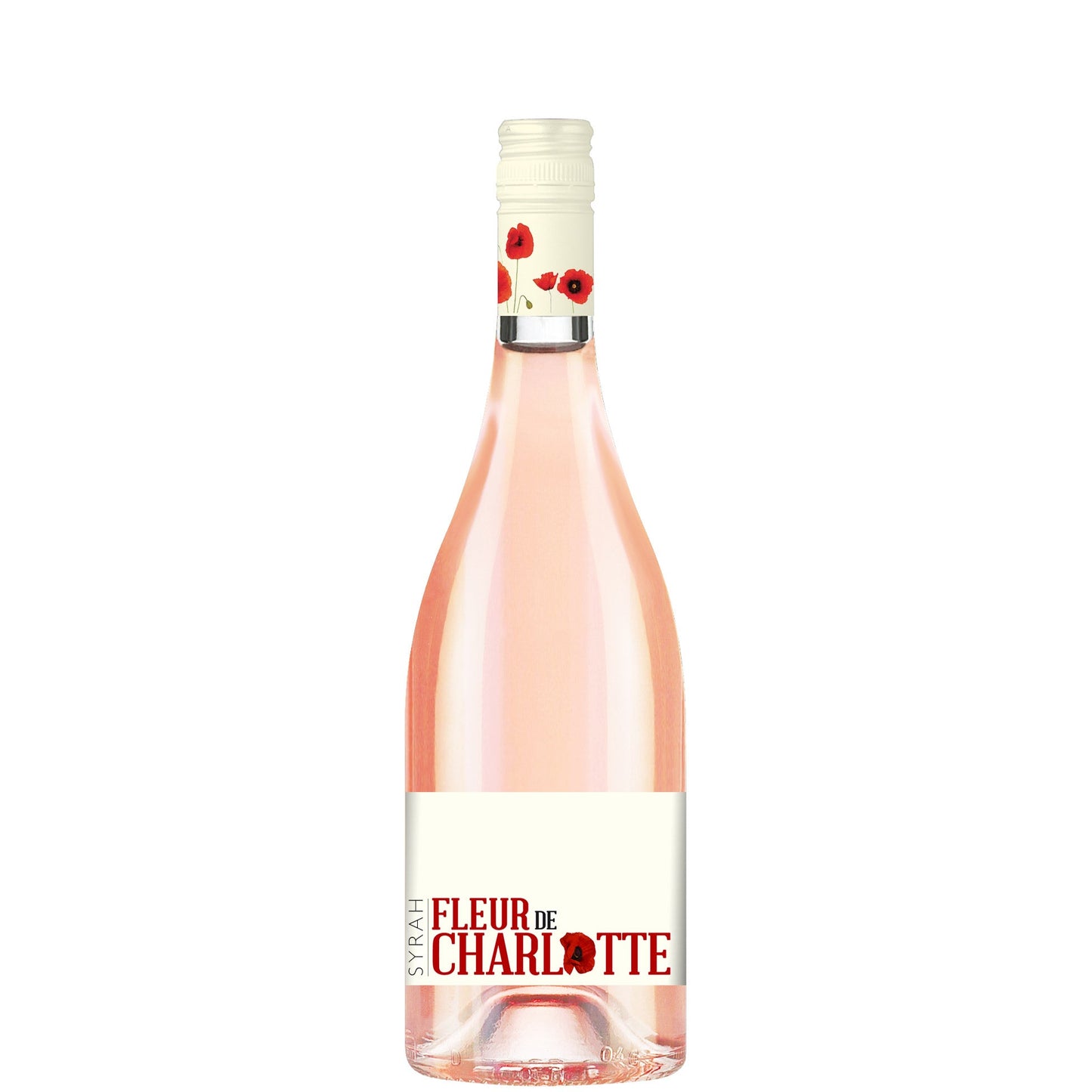
Château Canet, Fleur De Charlotte Syrah Rosé, 2025
Château Canet, Fleur De Charlotte Syrah Rosé, 2025
- Rosé Still
- 75CL
- 12.5%
- Syrah
Couldn't load pickup availability
Château Canet's Fleur De Charlotte represents the estate's elegant approach to Syrah rosé, crafted through direct pressing to achieve its pale salmon colour and pure fruit expression. This 2025 vintage captures the essence of Languedoc terroir with bright red berry fruit balanced by the region's characteristic mineral freshness.
Drink now until 2028 while the primary fruit remains vibrant. This rosé pairs beautifully with Mediterranean cuisine, grilled fish, and summer salads, embodying the relaxed sophistication of southern France.
This rosé is designed for early consumption while primary fruit flavours remain vibrant and the acidity provides maximum refreshment. During its first year, expect the strawberry and peach character to remain prominent with good mineral backbone. By 2027-2028, the fruit may begin to soften slightly while developing more complex savoury elements, though the wine will lose some of its youthful brightness. Beyond 2028, the wine will likely lose its fresh fruit character and become less appealing, as rosé wines rarely benefit from extended ageing.
Tasting Notes
AppearancePale salmon pink with brilliant clarity and slight copper highlights.
NoseFresh strawberry and white peach dominate, supported by subtle floral elements of rose petal and lavender. Underlying mineral character emerges with aeration, alongside faint Mediterranean herbs including thyme and rosemary. The aromatics remain clean and focused without excessive perfume.
PalateCrisp entry with bright acidity leading into red berry fruit flavours of strawberry and raspberry. Mid-palate shows good weight without heaviness, displaying the characteristic spice of Syrah in restrained form. The mineral backbone provides structure and length, while maintaining the wine's refreshing character throughout.
FinishClean and dry with lingering red fruit and a subtle saline quality that speaks to the Mediterranean terroir.
Overall impressionAn accomplished rosé that successfully balances Syrah's inherent richness with the freshness expected from quality Languedoc rosé production.
Food Pairings
In the Languedoc, this style of rosé traditionally accompanies bouillabaisse and grilled sea bass along the coastal areas, where the wine's mineral character complements the Mediterranean's briny seafood. Inland, locals pair it with herb-crusted lamb, ratatouille, and the region's famous Pélardon goat's cheese, which echoes the wine's fresh acidity. During summer evenings, it's served with anchoïade (anchovy spread) on grilled bread, grilled sardines with fennel, and the classic salade niçoise. The wine's crisp character also makes it ideal with the region's olive-oil-rich cuisine and sun-dried tomato dishes that define Languedoc's rustic gastronomy.
We think this wine would go well with
Serve well-chilled at 8-10°C to preserve the wine's refreshing character and bright fruit expression. No decanting required as this rosé is meant to be enjoyed immediately upon opening. Use medium-sized white wine glasses to concentrate the delicate aromatics while allowing proper aeration. Consider serving in stemmed glasses to prevent hand warming, which could dull the wine's crisp edge.
The vineyards benefit from Languedoc's classic Mediterranean climate with hot, dry summers and mild winters. The estate's Syrah vines are planted on limestone and clay soils that provide excellent drainage while retaining enough moisture for the vines during the intense summer heat. The mistral winds help maintain healthy fruit and concentrate flavours, while the proximity to the Mediterranean moderates extreme temperatures and contributes to the wine's mineral freshness.
The Languedoc appellation stretches across southern France from the Rhône delta to the Spanish border, encompassing diverse terroirs united by Mediterranean climate. This vast region has transformed from bulk wine production to quality-focused viticulture, with strict AOC rules governing grape varieties, yields, and winemaking practices. The appellation permits a wide range of grape varieties including Syrah, which thrives in the warm climate while maintaining freshness through careful vineyard management and early harvesting for rosé production.
The 2025 vintage in Languedoc benefited from a well-balanced growing season that allowed producers to showcase the region's diverse terroirs. Spring conditions were generally favourable, avoiding the late frosts that have troubled some recent years. Summer brought sufficient warmth without excessive heat stress, while timely rainfall in key periods helped maintain vine health. Harvest conditions proved conducive to selective picking, allowing growers to capture optimal ripeness across the region's varied microclimates from the coastal plains to the elevated sites of the Corbières and Minervois.
Early tastings suggest 2025 has produced wines of excellent quality with notable freshness and varietal expression. Syrah shows particular promise with concentrated fruit and well-integrated tannins, while Grenache displays the aromatic intensity that marks the finest Languedoc vintages. Mourvèdre ripened successfully in the warmer sites, contributing structure to blends. The region's white varieties, particularly Roussanne and Viognier, have retained good acidity levels. Most 2025 reds will benefit from 2-3 years' cellaring to allow their tannins to soften, though the more approachable wines are already drinking well. The finest cuvées should evolve gracefully over the next decade.
FAQs
What makes this rosé different from others in the region?
Château Canet's use of direct pressing rather than saignée method creates a paler colour and more delicate structure, while their focus on Syrah provides more complexity than typical Grenache-based rosés from the region.
How long can I keep this wine?
Drink within 2-3 years of vintage while the primary fruit remains vibrant. Rosés are crafted for immediate enjoyment rather than cellar ageing.
What temperature should I serve this at?
Serve well-chilled at 8-10°C. Too warm and the wine loses its refreshing character; too cold and the aromatics become muted.
Does this wine need decanting?
No decanting required. Open and serve immediately to preserve the fresh, bright character that defines quality rosé.
What food works best with this style?
Mediterranean cuisine excels: grilled fish, seafood salads, goat's cheese, and herb-driven dishes. The mineral character also pairs well with oysters and other shellfish.
Is this wine organic or biodynamic?
We don't have verified information about organic certification for this particular cuvée from Château Canet.
-
Free UK Delivery
Learn about deliveryGet free UK delivery when you spend £75 or more on duty paid wine
-
Save 30% on a host of quality wines
Our fine wines are sourced from our sister retailers, but offered at a substantial discount to their previous selling prices.