

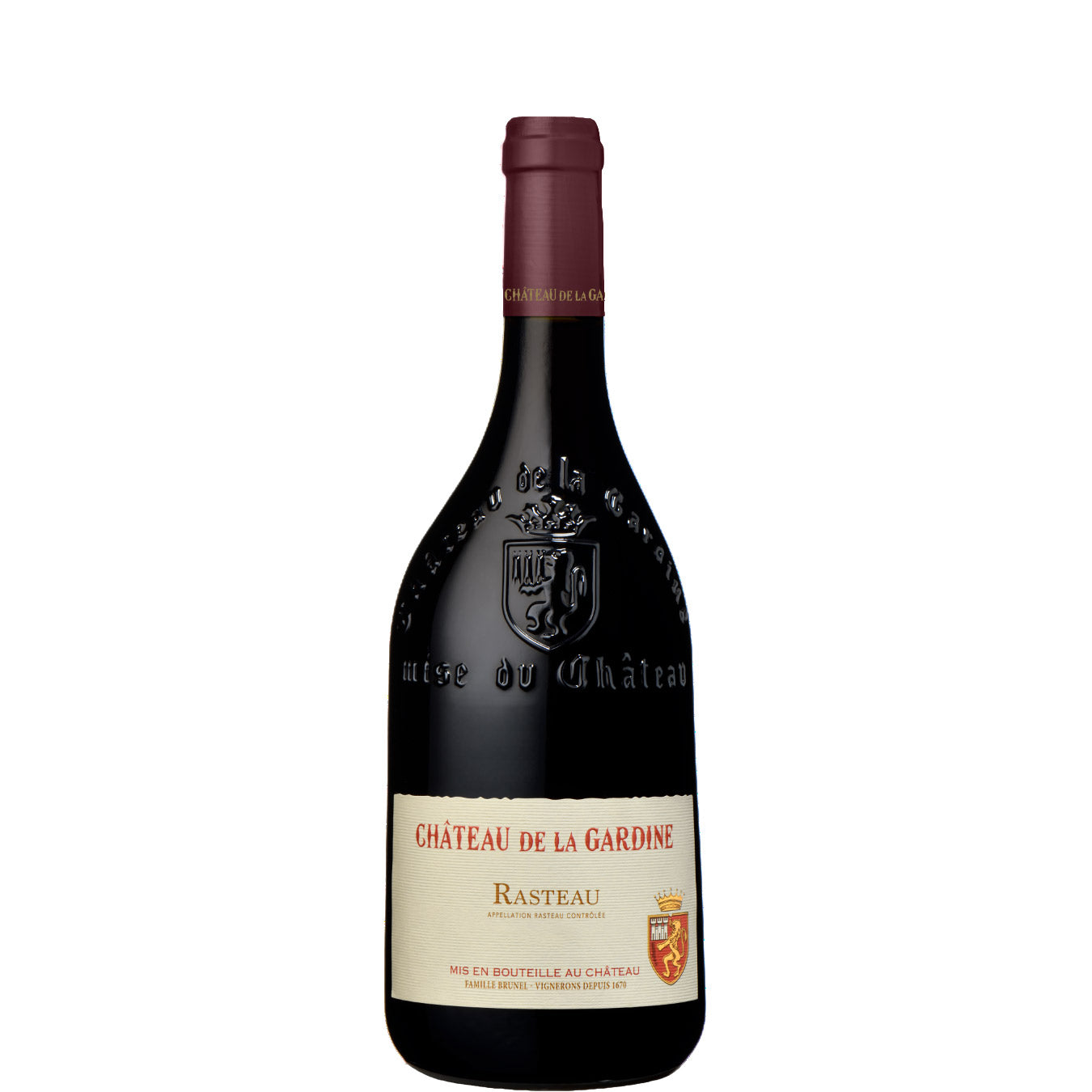
Château De La Gardine, Rasteau, 2023
Château De La Gardine, Rasteau, 2023
- Red Still
- 75CL
- 14.5%
- Organic
- Grenache, Syrah, Mourvèdre
Couldn't load pickup availability
Château de la Gardine produces this Rasteau from their estate vineyards in the southern Rhône, where the Mediterranean climate and rocky soils create wines of considerable power and concentration. The 2023 vintage benefits from the estate's sustainable viticulture and careful selection of their best Grenache, Syrah, and Mourvèdre parcels.
This young Rasteau displays the appellation's characteristic intensity whilst maintaining elegance. The wine shows dark fruit concentration balanced by the herbal complexity that defines southern Rhône reds. Best approached from 2028 until 2040, when the tannins will have softened and the wine's full personality will emerge.
The 2023 will spend its first three years integrating its components, with the primary fruit gradually melding with the herbal and mineral elements. From 2028 onwards, secondary complexity will emerge as the tannins soften and tertiary flavours of leather and earth develop. The wine should reach its peak between 2032-2038, maintaining its power whilst gaining elegance and depth. After 2040, the fruit may begin to fade, though the wine's structure suggests graceful aging potential beyond this point.
Tasting Notes
AppearanceDeep ruby-purple with violet highlights, showing the wine's youth and concentration.
NoseBlackberry and cassis dominate initially, followed by garrigue herbs, lavender, and a subtle smokiness. As the wine opens, darker flavours of black olive and graphite emerge alongside hints of Mediterranean scrubland.
PalateFull-bodied with impressive concentration, the dark fruit core is supported by firm but ripe tannins. Mid-palate richness gives way to herbal complexity and mineral undertones. The wine shows excellent balance despite its power, with acidity providing freshness and structure.
FinishLong and persistent, with spice, dark chocolate, and a return of the garrigue herbs that define the appellation.
Overall impressionA serious young Rasteau that captures the appellation's power whilst maintaining elegance and aging potential.
Food Pairings
In the southern Rhône, locals pair Rasteau with robust Provençal cuisine including daube de bœuf (slow-braised beef with herbs and olives), grilled lamb seasoned with herbes de Provence, and wild boar stews that take advantage of the region's hunting tradition. The wine's structure complements the intense flavours of ratatouille enriched with anchovies, whilst its herbal character harmonises beautifully with lavender-scented honey served alongside strong local cheeses like Banon or aged goat's cheese from the nearby hills.
We think this wine would go well with
Serve at 16-18°C to allow the wine's complexity to fully express itself. Decant for 60-90 minutes to soften the youthful tannins and allow the aromatics to develop. Use large Burgundy bowls to concentrate the wine's powerful aromatics whilst providing adequate surface area for proper aeration.
The Rasteau vineyards sit on red clay and limestone soils mixed with galets roulés (rounded stones) that retain heat during the day and release it slowly at night. This Mediterranean terroir, combined with the mistral winds that cool the vines, creates ideal conditions for Grenache to develop concentration whilst maintaining freshness. The rocky soils force the vines to root deeply, contributing to the wine's mineral backbone and ability to age gracefully.
Rasteau gained AOC status in 2010, making it one of the Rhône Valley's newest crus. The appellation covers 945 hectares on the left bank of the Rhône, where the Mediterranean climate produces powerful, structured reds from Grenache-based blends. Rasteau wines typically show more immediate approachability than neighbouring Gigondas whilst offering similar aging potential. The appellation requires a minimum 50% Grenache, with Syrah and Mourvèdre providing structure and complexity.
The 2023 growing season in the Rhône began promisingly with a mild winter and early budbreak, but summer brought significant challenges. Intense heat waves and drought conditions stressed the vines, particularly in the southern appellations where temperatures soared well above average. However, timely September rainfall provided crucial relief before harvest, allowing the grapes to maintain freshness while completing their ripening cycle. Northern Rhône producers generally started picking in mid-September, while southern estates began harvesting in early September, with careful selection proving essential.
The vintage has produced wines of considerable concentration and intensity, though yields were notably reduced due to the summer stress. Syrah performed exceptionally well in the north, developing deep colour and structured tannins whilst retaining aromatic complexity. Grenache and its traditional blending partners in the south showed remarkable resilience, creating wines with both power and elegance. Whilst 2023 may not reach the legendary heights of vintages like 2009 or 2016, it represents a very good year that rewards producers who managed the challenging conditions skilfully. Most wines will benefit from 3-5 years of cellaring before reaching their optimal drinking window.
FAQs
How does Rasteau compare to other Rhône crus?
Rasteau sits between Gigondas and Vacqueyras in style, offering more immediate accessibility than Gigondas whilst maintaining similar aging potential. The wines tend to be fuller-bodied than Vacqueyras with more pronounced herbal character from the garrigue-covered hillsides.
Why does this wine need cellaring until 2028?
The 2023 vintage displays firm tannins and concentrated fruit that require time to integrate. Cellaring allows the wine's components to harmonise whilst developing the secondary complexity that makes mature Rasteau so appealing. Drinking before 2028 risks missing the wine's full potential.
What makes Château de la Gardine distinctive?
The Brunel family's approach combines traditional Rhône winemaking with modern precision, resulting in wines that express their terroir clearly. Their Rasteau vineyard's specific soil composition and microclimate create wines with distinctive mineral backbone and herbal complexity.
How should I store this wine?
Store horizontally at 12-14°C in a dark environment with minimal temperature fluctuations. The wine's structure and acidity suggest excellent aging potential, making proper storage essential for optimal development over the next decade.
What food pairings work best with young Rasteau?
Young Rasteau's firm tannins require rich, protein-heavy dishes. Slow-braised meats, game stews, and mature hard cheeses provide the weight needed to balance the wine's power. Avoid delicate preparations that might be overwhelmed by the wine's intensity.
Is this wine ready to drink now?
While technically drinkable, the 2023 will benefit significantly from additional cellaring. The current tannin structure and concentrated fruit will evolve into a more harmonious and complex wine with patience. Early drinking should involve extended decanting to maximise enjoyment.
-
Free UK Delivery
Learn about deliveryGet free UK delivery when you spend £75 or more on duty paid wine
-
Save 30% on a host of quality wines
Our fine wines are sourced from our sister retailers, but offered at a substantial discount to their previous selling prices.