

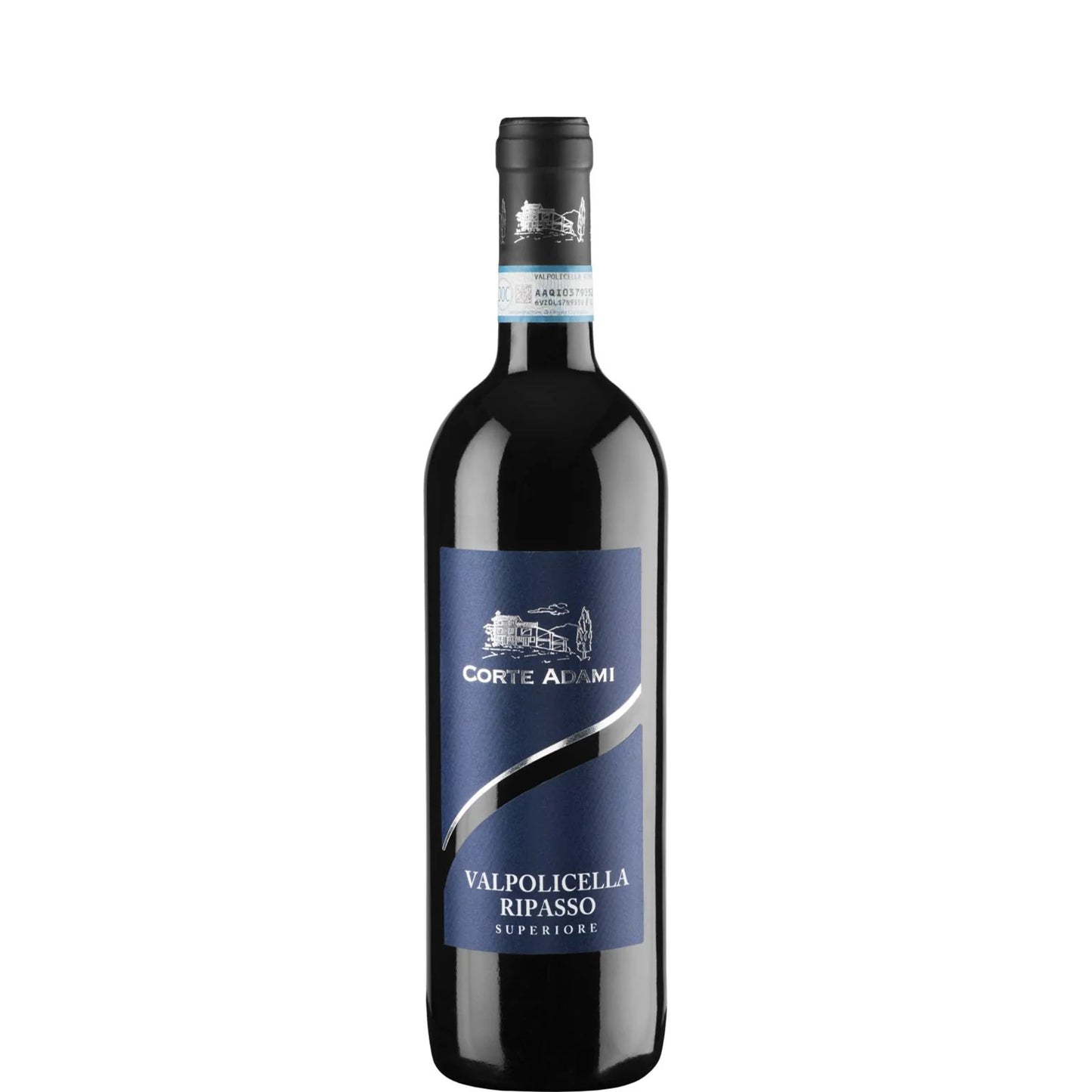
Corte Adami, Valpolicella Ripasso, 2021
Corte Adami, Valpolicella Ripasso, 2021
- Red Still
- 75CL
- 14.5%
- Corvina, Rondinella, Molinara
Couldn't load pickup availability
Corte Adami Valpolicella Ripasso marries tradition with rich, expressive flavour. The Ripasso method adds depth, bringing forward notes of red cherry, plum and a touch of spice. Smooth tannins and balanced acidity make it a versatile companion for pasta or red meat dishes.
This 2021 Ripasso is drinking well now, showing youthful fruit balanced by the additional complexity from the Ripasso process. Over the next 2-3 years, the primary cherry and plum flavours will integrate further with the earthy and spice elements, creating a more harmonious whole. The wine will maintain its freshness until around 2030, after which the fruit may begin to fade whilst secondary leather and dried herb characteristics become more prominent. Drink by 2032 for optimal balance between fruit and development.
Tasting Notes
AppearanceDeep ruby red with garnet highlights, showing good concentration and clarity.
NoseRed cherries and plums dominate, lifted by dried herbs and a touch of sweet spice from the Ripasso process. There's a subtle earthiness underneath, along with dried roses and a faint suggestion of leather. The aromatics are immediately appealing yet show good complexity.
PalateMedium-bodied with bright cherry fruit that's been enriched by the Ripasso method without losing freshness. The tannins are smooth and integrated, providing structure without heaviness. Balanced acidity keeps the wine lively, whilst the finish reveals warming spices and a pleasant bitter almond character typical of the blend.
FinishMedium length with persistent red fruit and a gentle spicy warmth that invites another sip.
Overall impressionA well-executed Ripasso that delivers complexity and depth whilst remaining food-friendly and approachable.
Food Pairings
In Veneto, Valpolicella Ripasso traditionally accompanies rich meat dishes like brasato al Barolo-style braised beef, osso buco alla milanese, and grilled Soave salamino. Local osterie serve it with aged Monte Veronese cheese, risotto all'Amarone made with reduced wine, and hearty pasta dishes featuring wild boar ragu. The wine also pairs beautifully with Verona's signature dish of pastitsada, a spiced beef stew with pasta that echoes the wine's own spice and depth.
We think this wine would go well with
Serve at 16-18°C to allow the fruit and spice characteristics to express fully. Decanting for 30 minutes will help integrate the flavours and soften any firm tannins, though it's not essential. Use Burgundy-style glasses to concentrate the aromatics whilst providing enough bowl space for the wine to breathe. Open an hour before serving if not decanting.
The vineyards sit on the hillsides of Valpolicella, where alternating layers of limestone and volcanic basalt create ideal drainage and mineral complexity. The continental climate, moderated by Lake Garda's influence, provides warm days and cool nights that preserve acidity whilst allowing full phenolic ripeness. These well-ventilated slopes are crucial for the Ripasso method, as they produce both the base wine grapes and the premium fruit destined for drying into Amarone.
Valpolicella Ripasso represents the middle tier of the region's quality pyramid, positioned between basic Valpolicella and prestigious Amarone. The Ripasso method involves refermentation of young Valpolicella wine on the warm, spent grape skins from Amarone production, adding depth, colour and alcohol whilst maintaining freshness. This technique, refined over centuries, creates wines that capture some of Amarone's richness at a fraction of the price, making them accessible expressions of Valpolicella's winemaking heritage.
The 2021 growing season in Veneto began promisingly with a mild winter and early spring, allowing vines to establish themselves well. However, the region faced significant challenges through late spring frosts that affected some vineyard sites, followed by a particularly wet period during flowering that reduced yields in certain areas. Summer brought more settled conditions with adequate warmth and sunshine, though careful canopy management became essential to maintain fruit quality. Harvest timing proved crucial, with producers needing to balance ripeness against the threat of autumn rains.
This vintage produced wines of moderate quality with notable variation depending on site selection and winemaking decisions. Prosecco from the hillside vineyards maintained good acidity and freshness, though quantities were reduced compared to abundant years. Amarone producers who managed their fruit carefully achieved concentrated, well-structured wines, whilst Soave displayed elegant minerality with restrained alcohol levels. The vintage lacks the immediate charm of the finest Veneto years, but the better examples are drinking well now and should continue to develop gracefully over the next five to eight years for reds, with whites best enjoyed within three to four years.
FAQs
What is the Ripasso method used to make this wine?
Ripasso involves refermentation of young Valpolicella wine on the warm, spent grape skins left over from Amarone production. This adds colour, tannins, alcohol and complexity whilst maintaining the wine's essential freshness, creating a style that bridges basic Valpolicella and premium Amarone.
How does this compare to regular Valpolicella?
Valpolicella Ripasso is richer and more complex than standard Valpolicella, with deeper colour, more structured tannins and additional spice and dried fruit characteristics. The Ripasso process typically adds 1-2% alcohol and significantly more depth whilst preserving the bright cherry fruit that defines the region.
What food works best with this wine?
The wine's medium body and smooth tannins make it excellent with pasta dishes featuring meat sauces, grilled red meats, and aged cheeses. It's particularly good with Italian dishes like osso buco, brasato, or rich tomato-based pasta, where its acidity can cut through richness whilst complementing the flavours.
Should I cellar this wine or drink it now?
This 2021 is drinking beautifully now and will continue to improve until around 2029-2030. Unlike Amarone, Ripasso is designed for relatively early consumption and won't benefit from extended cellaring beyond 6-8 years from vintage.
What temperature should I serve this at?
Serve at 16-18°C, slightly cooler than room temperature. This allows the fruit characteristics to shine whilst preventing the alcohol from dominating. If your bottle feels too warm, 20 minutes in the refrigerator will bring it to the ideal temperature.
How does Corte Adami compare to other Valpolicella producers?
Corte Adami represents excellent value amongst Valpolicella producers, offering authentic expressions of traditional methods without the premium pricing of more famous estates. Their Ripasso shows the careful balance between tradition and accessibility that makes Valpolicella such an appealing wine region.
-
Free UK Delivery
Learn about deliveryGet free UK delivery when you spend £75 or more on duty paid wine
-
Save 30% on a host of quality wines
Our fine wines are sourced from our sister retailers, but offered at a substantial discount to their previous selling prices.