
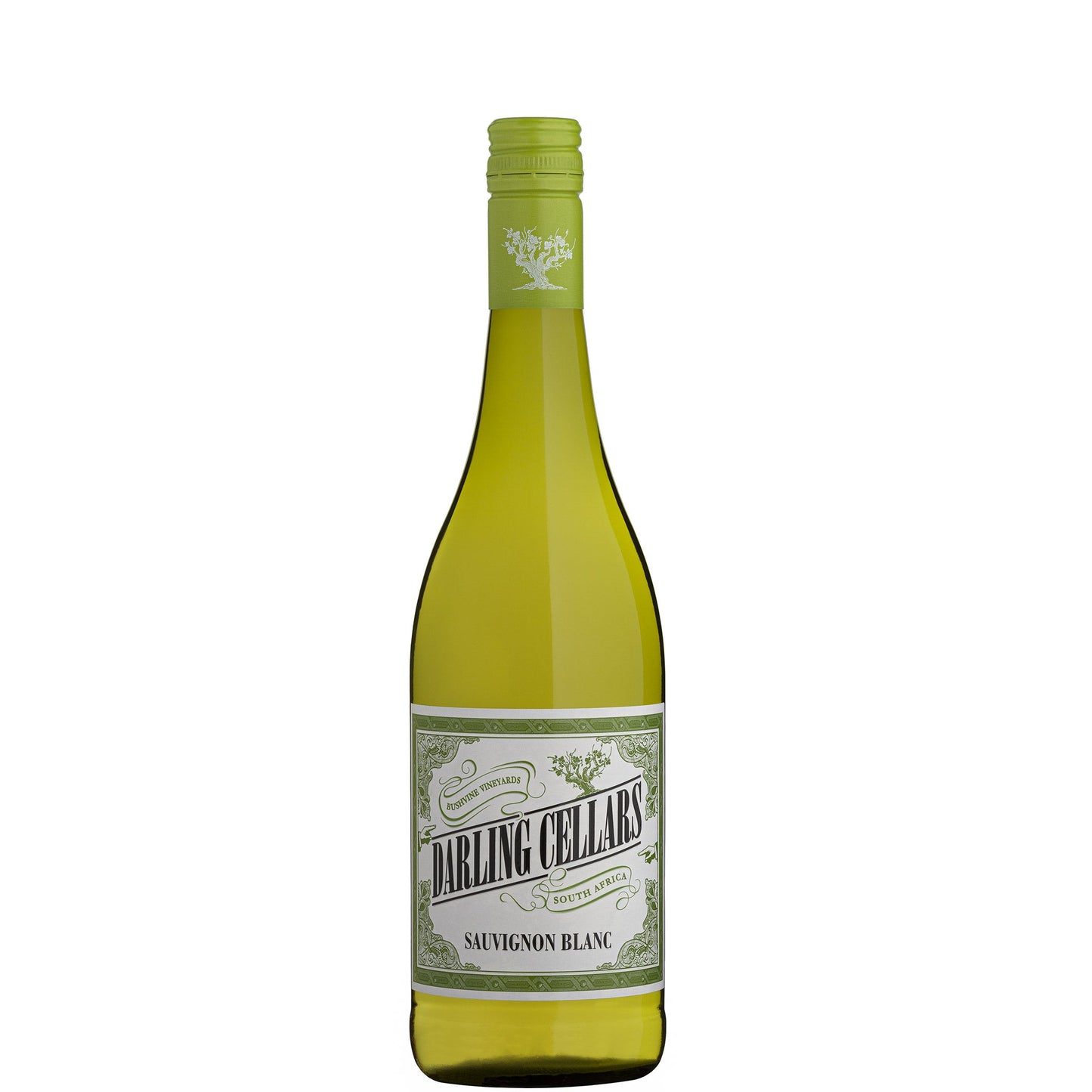
Darling Cellars, Sauvignon Blanc, 2025
Darling Cellars, Sauvignon Blanc, 2025
- White Still
- 75CL
- 13%
- Sauvignon Blanc
Couldn't load pickup availability
Darling Cellars produces this vibrant Sauvignon Blanc from vineyards in the Western Cape, where cool Atlantic breezes temper the South African sun to preserve the variety's characteristic freshness. The 2025 vintage delivers bright tropical fruit alongside classic gooseberry and herbaceous elements, with the mineral backbone that makes Western Cape Sauvignon Blanc such excellent value.
This wine drinks beautifully now whilst retaining enough structure to develop additional complexity over the next two years. At this price point, it offers exceptional quality from a producer that consistently delivers well-made wines that punch above their weight in international markets.
This Sauvignon Blanc is designed for early consumption whilst the primary fruit flavours remain vibrant and the acidity stays bright. Over the next 12-18 months, the tropical fruit intensity will integrate slightly with the mineral elements, developing a more rounded character whilst retaining its essential freshness. The herbaceous elements may become more subdued, allowing the passion fruit and gooseberry flavours to take centre stage. Beyond 2028, the wine will likely lose its characteristic varietal freshness, though it will remain perfectly drinkable if properly stored.
Tasting Notes
AppearancePale straw colour with green highlights and excellent clarity.
NoseImmediately expressive with gooseberry and passion fruit aromas leading the charge. Fresh-cut grass and subtle green pepper add herbaceous complexity. A faint mineral thread runs underneath the fruit, suggesting good vineyard expression.
PalateCrisp and focused with bright acidity driving tropical fruit flavours of passion fruit and guava. Gooseberry provides the classic Sauvignon Blanc backbone whilst subtle citrus zest adds freshness. The mid-palate shows good weight without heaviness, leading to a clean, mineral-driven conclusion.
FinishClean and persistent with lingering citrus and a touch of wet stone minerality.
Overall impressionA well-made, value-driven Sauvignon Blanc that delivers varietal character and regional expression at an accessible price point.
Food Pairings
In the Western Cape, Sauvignon Blanc pairs naturally with the region's abundant seafood, particularly line fish like snoek prepared with apricot jam or grilled over vine cuttings. Local favorites include pairing it with waterblommetjie bredie, a traditional stew made with indigenous water flowers, or with fresh ostrich carpaccio drizzled with olive oil and lemon. The wine's crisp acidity cuts through the richness of local specialties like smoked snoek pâté or creamy seafood potjiekos cooked in traditional three-legged pots over open fires.
We think this wine would go well with
Serve well-chilled at 8-10°C in a medium-sized white wine glass to concentrate the aromatics whilst allowing proper expression. No decanting required - open just before serving to preserve maximum freshness. The wine benefits from being removed from the refrigerator about 5 minutes before serving to allow the fruit flavours to open fully. Use glasses with a slightly tapered rim to focus the herbaceous and tropical aromas effectively.
The vineyards lie in the Darling district of the Western Cape, approximately 65 kilometres north of Cape Town. The maritime climate is heavily influenced by the Atlantic Ocean, with cooling sea breezes that help retain acidity in the grapes during the warm summer months. Soils are predominantly decomposed granite and shale with some clay content, providing good drainage whilst retaining enough moisture for sustained vine growth. The combination of cool nights and warm days creates ideal conditions for Sauvignon Blanc, allowing the grapes to ripen slowly whilst maintaining their natural freshness and aromatic intensity.
The Western Cape is South Africa's premier wine region, encompassing most of the country's fine wine production areas from Stellenbosch to the coastal districts. As a Wine of Origin designation, Western Cape allows considerable flexibility in sourcing grapes from different microclimates within this vast region. This enables producers like Darling Cellars to blend fruit from cooler coastal areas with parcels from slightly warmer inland sites, creating wines with both intensity and freshness. The appellation standards require that 100% of the grapes come from within the Western Cape boundaries, ensuring geographical authenticity whilst allowing winemakers to craft balanced wines from complementary vineyard sites.
The 2025 Western Cape vintage presented growers with a testing season that demanded careful vineyard management. Early summer brought periods of intense heat that stressed vines, particularly in the warmer inland regions, while coastal areas benefited from their usual maritime influence. Variable rainfall patterns meant that producers who managed their canopies well and maintained good water balance were able to navigate the challenges more successfully. Harvest timing became crucial, with many estates picking earlier than usual to preserve freshness and avoid overripeness.
The resulting wines show a distinctive character shaped by these conditions. Cabernet Sauvignon and Shiraz from well-sited vineyards display concentrated fruit with firm tannins, though yields were generally lower than average. Chenin Blanc performed particularly well, retaining good acidity despite the warm conditions, while Sauvignon Blanc from cooler sites maintained its characteristic freshness. This vintage rewards careful producer selection more than most. The wines are approachable now but the better examples will benefit from three to five years in the cellar to fully integrate and develop complexity.
FAQs
How should I store this Sauvignon Blanc?
Store in a cool, dark place at 10-15°C, ideally on its side to keep the cork moist. Avoid temperature fluctuations and direct sunlight. This wine is best consumed within 2-3 years of vintage for optimal freshness.
What makes Western Cape Sauvignon Blanc different from Loire or New Zealand styles?
Western Cape Sauvignon Blanc typically shows more tropical fruit character than Loire versions whilst being less intensely herbaceous than many New Zealand examples. The maritime climate provides excellent balance between fruit intensity and natural acidity.
Is this wine suitable for ageing?
This is designed as a fresh, early-drinking style best consumed within 2-3 years. Whilst it won't develop the complexity of age-worthy whites, proper storage will maintain its fruit character and freshness through 2028.
What food should I avoid pairing with this wine?
Avoid heavily spiced dishes, rich cream sauces, or strongly flavoured red meats that would overwhelm the wine's delicate character. Very sweet dishes will also clash with the wine's crisp, dry profile.
Can I use this wine for cooking?
Absolutely - its clean fruit character and good acidity make it excellent for cooking, particularly with seafood dishes, white wine reductions, or marinades for chicken. Use the same quality wine you'd be happy to drink.
How does this compare to more expensive Sauvignon Blancs?
Whilst it may lack the mineral complexity of premium Loire wines or the intensity of top New Zealand examples, it delivers excellent varietal character and regional expression at a fraction of the price, making it outstanding value for everyday drinking.
-
Free UK Delivery
Learn about deliveryGet free UK delivery when you spend £75 or more on duty paid wine
-
Save 30% on a host of quality wines
Our fine wines are sourced from our sister retailers, but offered at a substantial discount to their previous selling prices.