

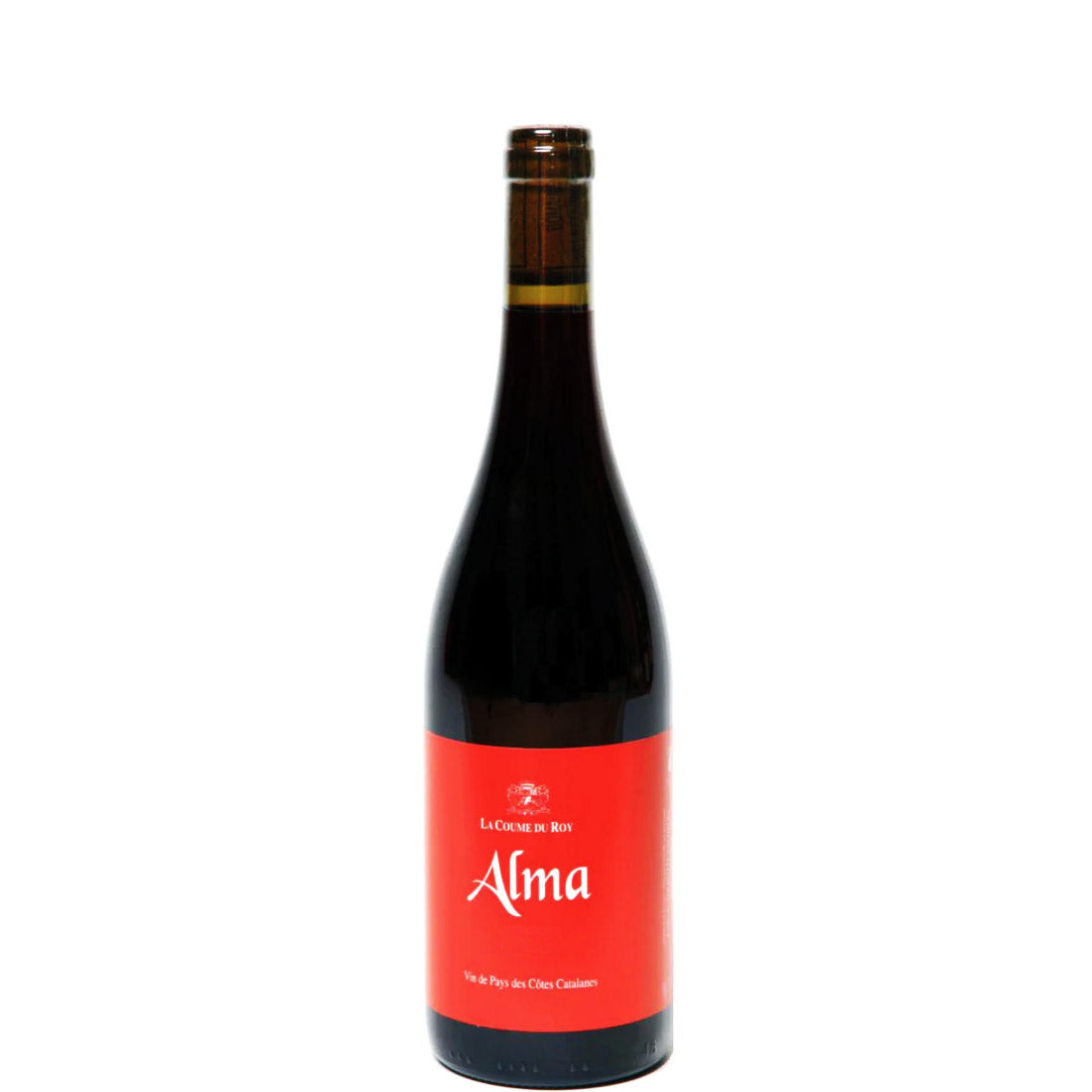
Domaine De La Coume Du Roy, Alma Rouge, 2013
Domaine De La Coume Du Roy, Alma Rouge, 2013
- Red Still
- 75CL
- 14%
- Syrah, Grenache, Mourvèdre
Couldn't load pickup availability
Domaine de la Coume du Roy's Alma Rouge represents the wild, untamed character of the Languedoc's garrigue-covered hills. This 2013 vintage blends traditional Rhône varieties grown on ancient schist soils, creating a wine that balances power with Mediterranean finesse.
The wine displays concentrated dark fruit wrapped in the aromatic herbs of the scrubland - thyme, rosemary, and lavender - that define this corner of southern France. Now at full maturity, it offers immediate pleasure while retaining enough structure to develop further until 2035.
This 2013 vintage has reached its optimal drinking window, with primary fruit now integrated with secondary development. The tannins have softened considerably from their youth, while the garrigue herb character has become more pronounced and complex. Over the next five years, expect further integration of fruit and earth, with the mineral backbone becoming more prominent. The wine should hold well until 2035, though it's unlikely to improve significantly beyond its current state of harmonious maturity.
Tasting Notes
AppearanceDeep ruby-garnet with brick highlights at the rim, showing the wine's thirteen years of age.
NoseBlackberry liqueur and dried figs dominate, followed by garrigue herbs - thyme, rosemary, and wild lavender. Leather and tobacco leaf add complexity, while a stony minerality emerges with air. The Mediterranean warmth is evident but controlled.
PalateFull-bodied with concentrated dark fruit - blackcurrant and mulberry - supported by firm but integrated tannins. The schist soils contribute a distinctive slate-like minerality that runs through the wine's core. Wild herbs and black olive tapenade flavours emerge mid-palate, with touches of dark chocolate and espresso.
FinishLong and warming with lingering herbs, dark fruit, and a savoury mineral tail that speaks of the terroir.
Overall impressionA mature expression of Languedoc terroir that balances power with elegance and Mediterranean character with mineral precision.
Food Pairings
In the Languedoc, this style of wine traditionally accompanies the robust cuisine of southern France. Wild boar stewed with herbs from the garrigue makes a perfect match, as does lamb grilled over vine prunings with rosemary. Local favourites include cassoulet from nearby Toulouse, rich with duck confit and Toulouse sausage, or daube de boeuf slowly braised with olives and herbs. The wine also pairs beautifully with aged Roquefort from the region and game terrines studded with juniper berries.
We think this wine would go well with
Serve at 16-18°C to allow the wine's complexity to unfold properly. Decant for one hour before serving to soften any remaining tannins and release the aromatic garrigue character. Use generous Rhône-style glasses to concentrate the Mediterranean herbs and dark fruit aromas. The wine benefits from this breathing time, particularly if you're drinking it now rather than cellaring further.
The vineyard sits on ancient schist soils at 300 metres elevation, where Mediterranean winds temper the intense southern sun. These decomposed slate soils provide excellent drainage while retaining just enough moisture for the vines during the dry summers. The surrounding garrigue scrubland infuses the grapes with wild herb character, while the schist imparts a distinctive mineral backbone that defines wines from this terroir.
This wine falls under the Côtes du Roussillon appellation, which covers the foothills of the Pyrenees from Perpignan to the Spanish border. The appellation permits traditional Mediterranean varieties like Syrah, Grenache, and Mourvèdre, reflecting the region's warm climate and diverse soils. Côtes du Roussillon wines typically show more power and concentration than their northern Rhône counterparts, with distinctive garrigue herb character from the wild landscape.
The 2013 vintage in Languedoc proved challenging from the outset, with a cool, wet spring delaying flowering and setting the stage for a difficult growing season. Summer brought mixed conditions with periods of heavy rain alternating with intense heat, creating uneven ripening across the region's diverse terroirs. Harvest began later than usual, with producers forced to be highly selective in the vineyard to achieve proper concentration and avoid dilution from the earlier rains.
This selectivity paid dividends for conscientious producers, yielding wines of surprising quality despite the vintage's reputation. Syrah and Mourvèdre performed particularly well where yields were controlled, producing structured wines with good colour and spice. Grenache proved more variable, though the best examples retain excellent fruit purity. The vintage produced wines that are more approachable in their youth than the powerhouse years, with most reds drinking beautifully now and likely to hold well for another five to eight years. White wines from 2013 have largely reached their drinking window.
FAQs
What makes Languedoc wines different from other French regions?
Languedoc benefits from a Mediterranean climate and diverse soils, creating wines with more power and sun-ripened fruit character than cooler French regions. The wild garrigue landscape infuses wines with distinctive herb character unique to southern France.
Should I drink this 2013 vintage now or cellar it further?
This wine has reached full maturity and is drinking beautifully now. While it will hold until 2035, it's unlikely to improve significantly beyond its current harmonious state, so there's no advantage to further cellaring.
What food styles work best with this wine?
The wine's power and herb character suit robust Mediterranean cuisine - grilled lamb with rosemary, wild boar, or rich stews like cassoulet. The garrigue herbs also complement dishes featuring olives, aged cheeses, and game meats.
How does schist soil influence the wine's character?
Schist provides excellent drainage while retaining some moisture, creating concentrated grapes. The decomposed slate imparts a distinctive mineral backbone and stony character that balances the wine's rich fruit and Mediterranean warmth.
What grape varieties are typically used in Côtes du Roussillon?
The appellation focuses on Mediterranean varieties like Syrah, Grenache, and Mourvèdre for reds, often blended together. These varieties thrive in the warm climate and express the wild, garrigue-influenced character of the region.
How long will an opened bottle keep?
Once opened and properly re-corked, this mature wine will hold for 2-3 days in the refrigerator. The wine's structure and alcohol level help preserve it, though the delicate garrigue aromatics are best enjoyed within 24 hours of opening.
-
Free UK Delivery
Learn about deliveryGet free UK delivery when you spend £75 or more on duty paid wine
-
Save 30% on a host of quality wines
Our fine wines are sourced from our sister retailers, but offered at a substantial discount to their previous selling prices.