

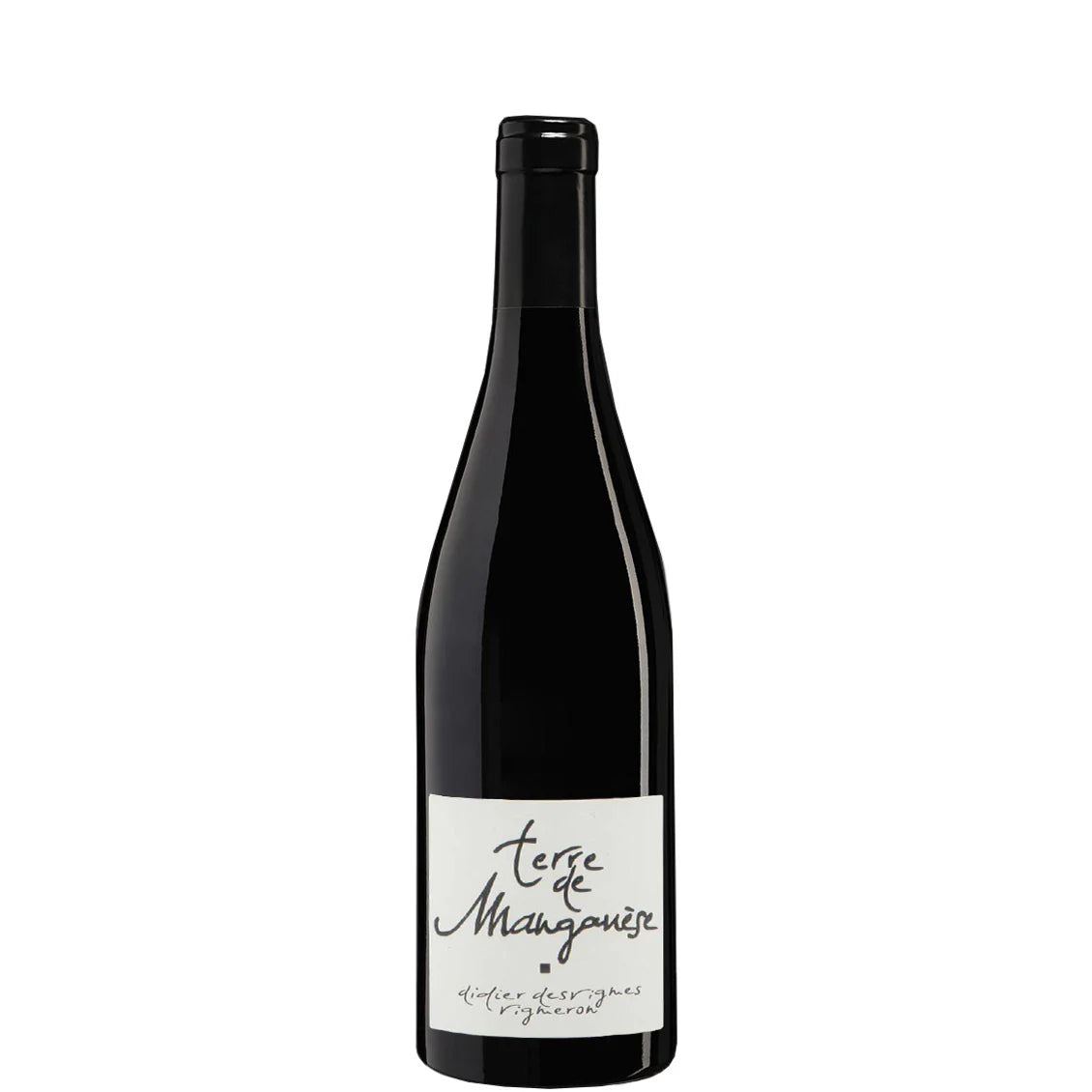
Domaine Du Calvaire De Roche-Gres Moulin-A-Vent, Terre De Manganese, Didier Desvignes, 2019
Domaine Du Calvaire De Roche-Gres Moulin-A-Vent, Terre De Manganese, Didier Desvignes, 2019
- Red Still
- 75CL
- 13.5%
- Gamay
Couldn't load pickup availability
Didier Desvignes’ Domaine du Calvaire de Roche-Grès Moulin-à-Vent Terre de Manganèse immediately signals its seriousness with a weighty bottle and a deep, atypical colour for Beaujolais. The nose opens with balsamic and earthy notes before revealing ripe cherry fruit and subtle oak spice.
Currently showing beautifully integrated fruit and oak, this wine will develop greater complexity over the next five to eight years as primary cherry flavours evolve into more savoury, earthy characteristics. Between 2028-2032, expect secondary aromas of leather, forest floor, and gamey complexity to emerge alongside the fruit. The wine should reach its plateau around 2032-2035, maintaining its elegance whilst showing the Burgundian-style development that distinguishes serious Moulin-à-Vent. After 2036, it will likely maintain its charm but begin to lose some concentration.
Tasting Notes
AppearanceDeep garnet with purple edges, unusually dense and opaque for Beaujolais.
NoseOpens with balsamic reduction and forest floor before revealing ripe dark cherry and blackberry fruit. Subtle oak spice and mineral granite dust add complexity without overwhelming the fruit character. Light floral violet perfume emerges with aeration.
PalateImpressive concentration with opulent dark cherry and plum fruit supported by fine-grained tannins. Integrated oak provides structure rather than flavour, whilst the granite terroir contributes a distinctive mineral backbone. The texture is surprisingly weighty with excellent balance between fruit richness and savoury complexity.
FinishLong and mineral-driven with persistent dark fruit and gentle spice that lingers elegantly.
Overall impressionA serious, age-worthy Moulin-à-Vent that demonstrates Gamay's potential for producing genuinely structured, cellar-worthy wines.
Food Pairings
In Beaujolais, this style of serious Moulin-à-Vent pairs beautifully with the region's hearty Lyonnaise cuisine, particularly coq au vin made with the local wine and slow-braised beef with shallots. The wine's structure complements traditional quenelles de brochet in rich cream sauce, whilst its mineral backbone cuts through the richness of andouillette sausages. Local chefs often serve it with roasted guinea fowl or duck confit, where the wine's earthy complexity matches the gamey flavours perfectly.
We think this wine would go well with
Serve at 16-18°C in large Burgundy glasses to allow the wine's complex aromatics to develop fully. Decant for 45 minutes to an hour to soften the tannins and allow the fruit to integrate with the mineral elements. The wine benefits from this aeration, which helps marry the oak integration with the underlying granite-driven character.
The Terre de Manganèse vineyard sits on granite soils enriched with manganese deposits, which give the wine its distinctive mineral character and deep colour. These ancient granite foundations, combined with the vineyard's elevation and exposure, create ideal conditions for producing concentrated Gamay with exceptional structure. The manganese content in particular contributes to the wine's ability to develop complex secondary flavours and its unusually robust tannin structure for Beaujolais.
Moulin-à-Vent represents the most structured and age-worthy expression of Beaujolais, earning its reputation as the 'King of Beaujolais'. The appellation's granite soils and strict regulations produce wines that can develop Burgundian complexity over decades, distinguishing them from lighter Beaujolais styles. Unlike other Beaujolais crus, Moulin-à-Vent wines are known for their ability to gain weight and develop savoury, earthy characteristics that can resemble Côte d'Or Pinot Noir with sufficient cellaring.
The 2019 growing season in Burgundy began promisingly with a warm spring that brought early budbreak, followed by challenging weather that tested growers' skills. A severe heatwave in late June caused stress in some vineyards, particularly those on exposed sites, while scattered hailstorms affected pockets of the Côte d'Or. However, crucial rainfall in August provided relief, and cooler conditions in early September allowed the grapes to retain essential acidity. The harvest began in mid-September under favourable conditions, with growers able to pick at optimal ripeness across most appellations.
This vintage produced wines of considerable quality, with both Pinot Noir and Chardonnay showing excellent concentration balanced by refreshing acidity. The reds display attractive fruit purity with well-integrated tannins, while the whites combine richness with mineral precision. The best examples rank among the finest recent Burgundies, offering both immediate appeal and serious ageing potential. Most 2019 Burgundies are drinking beautifully now, particularly the village and regional appellations, though the premier and grand crus will reward cellaring for another decade or more.
FAQs
Why is this Moulin-à-Vent so different from typical Beaujolais?
Didier Desvignes employs serious winemaking techniques including careful oak ageing and extended maceration to create a structured, age-worthy wine. The manganese-rich granite soils of this specific terroir also contribute to the wine's unusual depth and mineral complexity, setting it apart from lighter Beaujolais styles.
How long should I cellar this wine?
This 2019 is drinking well now but will develop greater complexity over the next 5-10 years. The wine should reach its peak between 2030-2035, developing the savoury, Burgundian characteristics that make serious Moulin-à-Vent so distinctive.
What makes the 'Terre de Manganèse' vineyard special?
The vineyard's granite soils are particularly rich in manganese deposits, which contribute to the wine's deep colour, mineral backbone, and exceptional ageing potential. This terroir produces Gamay with unusual structure and concentration, allowing for the kind of serious winemaking approach Desvignes employs.
Should I decant this wine?
Yes, decanting for 45 minutes to an hour will help integrate the oak with the fruit and allow the wine's complex mineral character to emerge. The wine's structure benefits from aeration, particularly if drinking it in its current youthful state.
How does this compare to Burgundy?
Whilst made from Gamay rather than Pinot Noir, this wine's structure, mineral complexity, and ageing potential can develop characteristics reminiscent of Burgundian wines. The granite terroir and serious winemaking create a wine that transcends typical Beaujolais expectations, though it maintains its own distinctive character.
What food pairs best with this style of Moulin-à-Vent?
The wine's structure and earthiness complement roasted red meats, game birds, and rich stews beautifully. Traditional Lyonnaise dishes work particularly well, but the wine's sophistication also suits more refined preparations of duck, lamb, or aged cheeses.
-
Free UK Delivery
Learn about deliveryGet free UK delivery when you spend £75 or more on duty paid wine
-
Save 30% on a host of quality wines
Our fine wines are sourced from our sister retailers, but offered at a substantial discount to their previous selling prices.