

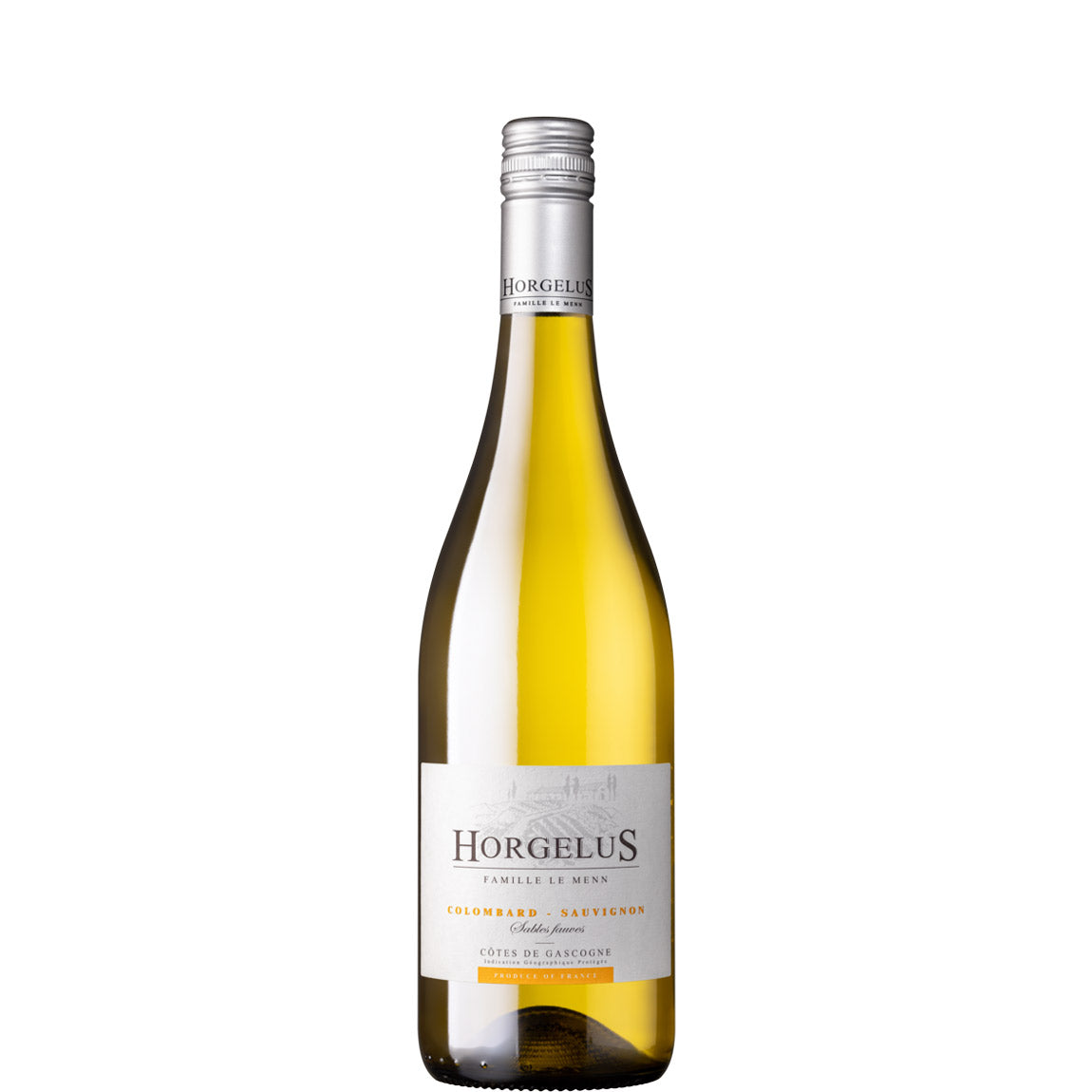
Domaine Horgelus, Colombard/Sauvignon Blanc, 2025
Domaine Horgelus, Colombard/Sauvignon Blanc, 2025
- White Still
- 75CL
- 12%
- Colombard, Sauvignon Blanc
Couldn't load pickup availability
Domaine Horgelus produces this fresh white blend from the rolling hills of Gascogne in southwest France, combining the tropical fruit character of Colombard with Sauvignon Blanc's herbaceous precision. The 2025 vintage captures the variety's natural vibrancy, delivering bright citrus and stone fruit flavours with a mineral backbone.
Best enjoyed young and fresh, this is an excellent everyday white that pairs beautifully with seafood, salads, and lighter cuisine. Drink until 2028 while the primary fruit remains at its most expressive.
This wine is designed for immediate consumption whilst the primary fruit flavours remain vibrant and the acidity bright. During 2026-2027, the citrus and tropical notes will be at their most expressive, with the herbaceous Sauvignon Blanc character well-integrated. By 2028, the wine will begin to lose some freshness, though it will remain perfectly drinkable. Unlike age-worthy whites, this style does not develop complex secondary flavours and is best enjoyed within two years of vintage for optimal character.
Tasting Notes
AppearancePale gold with brilliant clarity and a hint of green at the rim.
NoseFresh grapefruit and lime zest lead, followed by gooseberry and passion fruit. A subtle herbaceous quality emerges, reminiscent of freshly cut grass and nettle. Light mineral undertones add complexity without overwhelming the fruit.
PalateCrisp and lively on entry with zippy acidity driving citrus and tropical fruit flavours. The Colombard provides weight and texture whilst Sauvignon Blanc contributes its characteristic precision. Clean mineral notes appear mid-palate, leading to a refreshing, mouth-watering quality.
FinishClean and persistent with lingering citrus zest and a subtle saline quality.
Overall impressionA well-balanced, food-friendly white that delivers excellent value and immediate drinking pleasure.
Food Pairings
In Gascogne, this style of wine traditionally accompanies the region's abundant seafood from the nearby Atlantic coast, particularly grilled langoustines, oysters from Arcachon, and simple preparations of sole or sea bass. Local charcuterie, including the famous duck rillettes and fresh foie gras, provides classic pairings, as does the region's goat's cheese served with crusty bread. The wine's crisp acidity cuts through the richness of cassoulet when served as a lighter starter, whilst its fresh character complements the herbs and vegetables grown in Gascon kitchen gardens.
We think this wine would go well with
Serve well-chilled at 8-10°C to preserve the wine's fresh, vibrant character. No decanting required - pour directly from the bottle to maintain the sprightly mousse. Use medium-sized white wine glasses to concentrate the aromatics without overwhelming the delicate fruit. Open just before serving as these wines are best enjoyed at peak freshness.
The vineyards sit on well-drained sandy-clay soils typical of the Gascogne region, providing good drainage while retaining enough moisture for steady ripening. The Atlantic influence brings cooling breezes that preserve acidity, whilst warm days allow the grapes to develop their characteristic fruit flavours. This combination of soil and climate creates ideal conditions for producing fresh, aromatic white wines with natural balance.
Côtes de Gascogne IGP covers a large area of southwest France, encompassing the historic region of Armagnac. The appellation permits a wide range of grape varieties, encouraging producers to experiment with blends that showcase local terroir. Unlike the more restrictive AOC rules, IGP Côtes de Gascogne allows winemakers greater flexibility, resulting in wines that emphasise immediate appeal and food-friendly character over long-term ageing potential.
The 2025 growing season in Gascogne presented winemakers with a complex puzzle of variable weather patterns that tested their adaptability. Spring arrived with encouraging warmth that promoted healthy budbreak across the rolling hills, though periodic rainfall kept soils well-hydrated without causing waterlogging concerns. Summer brought the kind of diurnal temperature variation that Gascogne's elevated vineyards handle so well, with warm days developing flavour intensity while cool nights preserved the essential freshness that defines the region's character. Harvest timing proved crucial as growers navigated pockets of September rain, rewarding those who picked selectively.
The resulting wines display genuine regional character with particularly impressive results from Colombard and Ugni Blanc, which retained their signature crisp minerality whilst achieving notable concentration. Gros Manseng delivered wines of excellent balance, combining the grape's natural acidity with more developed fruit flavours than recent vintages have offered. Overall quality sits comfortably in the solid-to-good range, producing wines that capture Gascogne's unpretentious charm without the peaks or disappointments of more dramatic years. These wines are drinking beautifully now and should continue to offer pleasure over the next two to three years while their vibrant freshness remains intact.
FAQs
What makes this blend work so well together?
Colombard provides tropical fruit weight and natural acidity, whilst Sauvignon Blanc contributes herbaceous complexity and mineral precision. The combination creates a more rounded wine than either variety would produce alone, with the Colombard softening Sauvignon Blanc's sometimes aggressive character whilst the Sauvignon Blanc adds sophistication to Colombard's simple fruit.
How does this compare to Loire Sauvignon Blanc?
Gascogne whites tend to be softer and more immediately appealing than their Loire counterparts, with less aggressive herbaceous character and more tropical fruit weight. The warmer climate and different soils produce wines with broader appeal and food-friendly balance, though they lack the mineral intensity and ageing potential of premium Loire Sauvignon Blancs.
Should I cellar this wine?
No, this wine is designed for immediate consumption and will not improve with extended cellaring. The fresh fruit character and zippy acidity that make it so appealing will gradually fade after 2-3 years. Buy and drink within two years of vintage for the best experience.
What temperature should I serve this at?
Serve well-chilled at 8-10°C, straight from the refrigerator. The cool temperature preserves the wine's fresh character and enhances its natural acidity. Avoid over-chilling below 6°C as this will mute the fruit aromatics.
Is this wine suitable for vegetarians and vegans?
Most modern French white wines use minimal fining agents and many producers now employ vegan-friendly techniques, though this varies by producer. Contact the domaine directly or check the back label for specific information about fining agents used in production.
How long will this keep once opened?
Once opened, store in the refrigerator with a proper wine stopper and consume within 2-3 days. The wine's fresh character will begin to fade quickly once exposed to oxygen, so it's best enjoyed soon after opening rather than saved for later.
-
Free UK Delivery
Learn about deliveryGet free UK delivery when you spend £75 or more on duty paid wine
-
Save 30% on a host of quality wines
Our fine wines are sourced from our sister retailers, but offered at a substantial discount to their previous selling prices.