

- Rosé Still
- 75CL
- 12.5%
- Cabernet Sauvignon, Tannat, Merlot
Couldn't load pickup availability
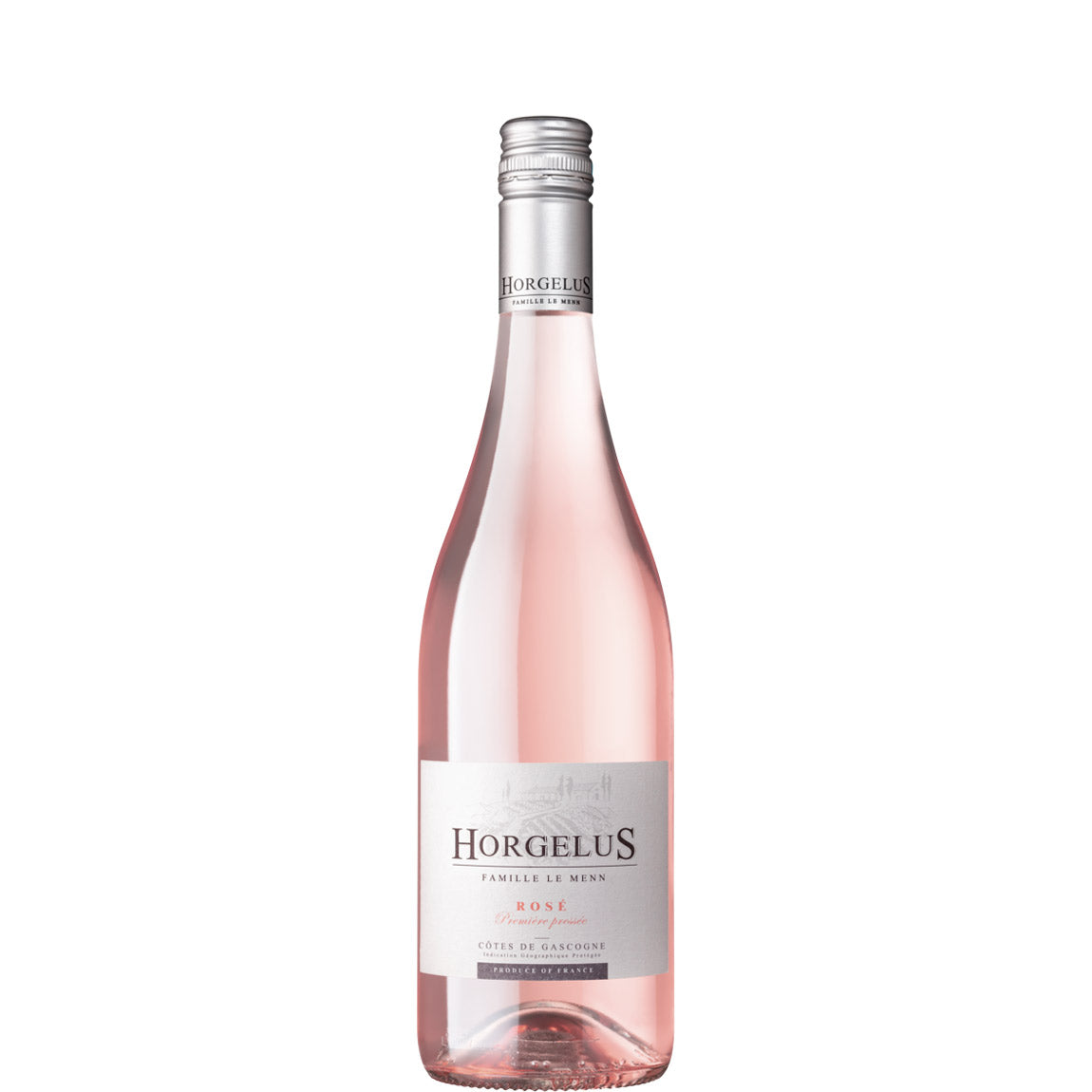
Domaine Horgelus produces this elegant rosé from estate vineyards in the rolling hills of Gascogne, southwest France. The 2025 vintage blends traditional Gascon varieties Cabernet Sauvignon and Tannat with Merlot, creating a wine that balances the region's rustic character with contemporary finesse.
Direct pressing and careful temperature control preserve the delicate fruit flavours whilst maintaining the crisp, mineral backbone that defines quality Gascogne rosé. Best enjoyed young and fresh, this wine captures the essence of southwestern French winemaking at an accessible level.
This rosé is designed for immediate consumption and will not improve with age. The 2025 vintage is at its peak now, displaying maximum fruit freshness and vibrant acidity. Over the next 12-18 months, the primary fruit will gradually fade whilst the wine may develop slightly honeyed characteristics, though it will lose its essential charm. Best consumed by the end of 2027 to enjoy the wine as the producer intended.
Tasting Notes
AppearancePale salmon pink with bright clarity and a hint of copper at the rim.
NoseFresh red berries lead, particularly wild strawberry and redcurrant, supported by white peach and subtle floral undertones. A mineral edge adds complexity without overwhelming the delicate fruit aromatics. The bouquet remains clean and precise with no evidence of oak influence.
PalateDry and refreshing with bright acidity that carries the fruit flavours cleanly across the palate. The strawberry and peach character from the nose translates well, joined by hints of pink grapefruit and white pepper. The texture remains light and crisp with a subtle mineral thread that adds length and interest.
FinishClean and dry with lingering red fruit and a pleasant saline quality that invites another sip.
Overall impressionA well-crafted rosé that successfully balances fruit purity with regional character, offering excellent drinking for casual occasions.
Food Pairings
In Gascogne, rosé traditionally accompanies the region's rich duck-based cuisine, cutting through the richness of confit de canard and magret de canard. Local charcuterie, particularly the famous jambon de Bayonne and various pork rillettes, pair beautifully with the wine's crisp acidity. Summer meals often feature rosé alongside grilled fish from nearby rivers, fresh goat's cheese from local farms, and the abundant stone fruits that thrive in the region's warm climate. The wine also complements cassoulet, the region's famous bean stew, when served during warmer months.
We think this wine would go well with
Serve well chilled at 8-10°C to preserve the fresh fruit character and crisp acidity. No decanting required; serve directly from the bottle in medium-sized white wine glasses to concentrate the delicate aromatics. Chill the bottle for at least two hours before serving, or 20 minutes in an ice bucket.
The vineyards sit on well-drained sandy clay soils over limestone bedrock, typical of the Gascogne region's gentle hillsides. The continental climate brings warm summers tempered by Atlantic influences, creating ideal conditions for maintaining acidity whilst achieving full ripeness. These soils impart the characteristic mineral backbone to the wines whilst the climate ensures clean, vibrant fruit expression that defines quality Gascogne rosé.
Gascogne IGP covers a vast area of southwest France, encompassing much of the historical province of Gascony. The appellation allows for both traditional local varieties like Tannat and international grapes, encouraging innovation whilst respecting regional character. Gascogne wines typically offer excellent value, combining the terroir advantages of southwest France with more relaxed regulations than neighbouring AOC areas like Madiran or Côtes de Gascogne.
The 2025 growing season in Gascogne presented winemakers with a complex puzzle of variable weather patterns that tested their adaptability. Spring arrived with encouraging warmth that promoted healthy budbreak across the rolling hills, though periodic rainfall kept soils well-hydrated without causing waterlogging concerns. Summer brought the kind of diurnal temperature variation that Gascogne's elevated vineyards handle so well, with warm days developing flavour intensity while cool nights preserved the essential freshness that defines the region's character. Harvest timing proved crucial as growers navigated pockets of September rain, rewarding those who picked selectively.
The resulting wines display genuine regional character with particularly impressive results from Colombard and Ugni Blanc, which retained their signature crisp minerality whilst achieving notable concentration. Gros Manseng delivered wines of excellent balance, combining the grape's natural acidity with more developed fruit flavours than recent vintages have offered. Overall quality sits comfortably in the solid-to-good range, producing wines that capture Gascogne's unpretentious charm without the peaks or disappointments of more dramatic years. These wines are drinking beautifully now and should continue to offer pleasure over the next two to three years while their vibrant freshness remains intact.
FAQs
What makes this different from Provence rosé?
Gascogne rosé typically shows more structure and weight than Provence styles, with the inclusion of Tannat adding subtle grip and complexity. The terroir imparts more mineral character whilst the grape blend creates a more robust style suitable for richer foods.
Should I age this rosé?
No, this wine is designed for immediate consumption whilst the fruit remains fresh and vibrant. Rosé rarely improves with age, and this style particularly benefits from being drunk within two years of vintage.
What temperature should I serve this at?
Serve at 8-10°C, well chilled but not ice-cold. Over-chilling will mute the delicate fruit aromatics, whilst serving too warm will make the wine seem flabby and lose its refreshing character.
Is this wine dry or off-dry?
This is a completely dry rosé with no residual sugar. The fruit flavours may give an impression of sweetness, but the wine finishes clean and crisp without any sugar content.
What food works best with this wine?
Light summer dishes work perfectly: grilled fish, seafood salads, charcuterie boards, and Mediterranean vegetables. The wine's acidity cuts through richer foods like pâtés whilst complementing delicate flavours in fresh cheeses and herb-based dishes.
How long will this keep once opened?
Consume within 2-3 days of opening, stored in the refrigerator with the cork replaced. The delicate fruit character will fade quickly once exposed to oxygen, so this wine is best finished promptly.
-
Free UK Delivery
Learn about deliveryGet free UK delivery when you spend £75 or more on duty paid wine
-
Save 30% on a host of quality wines
Our fine wines are sourced from our sister retailers, but offered at a substantial discount to their previous selling prices.