
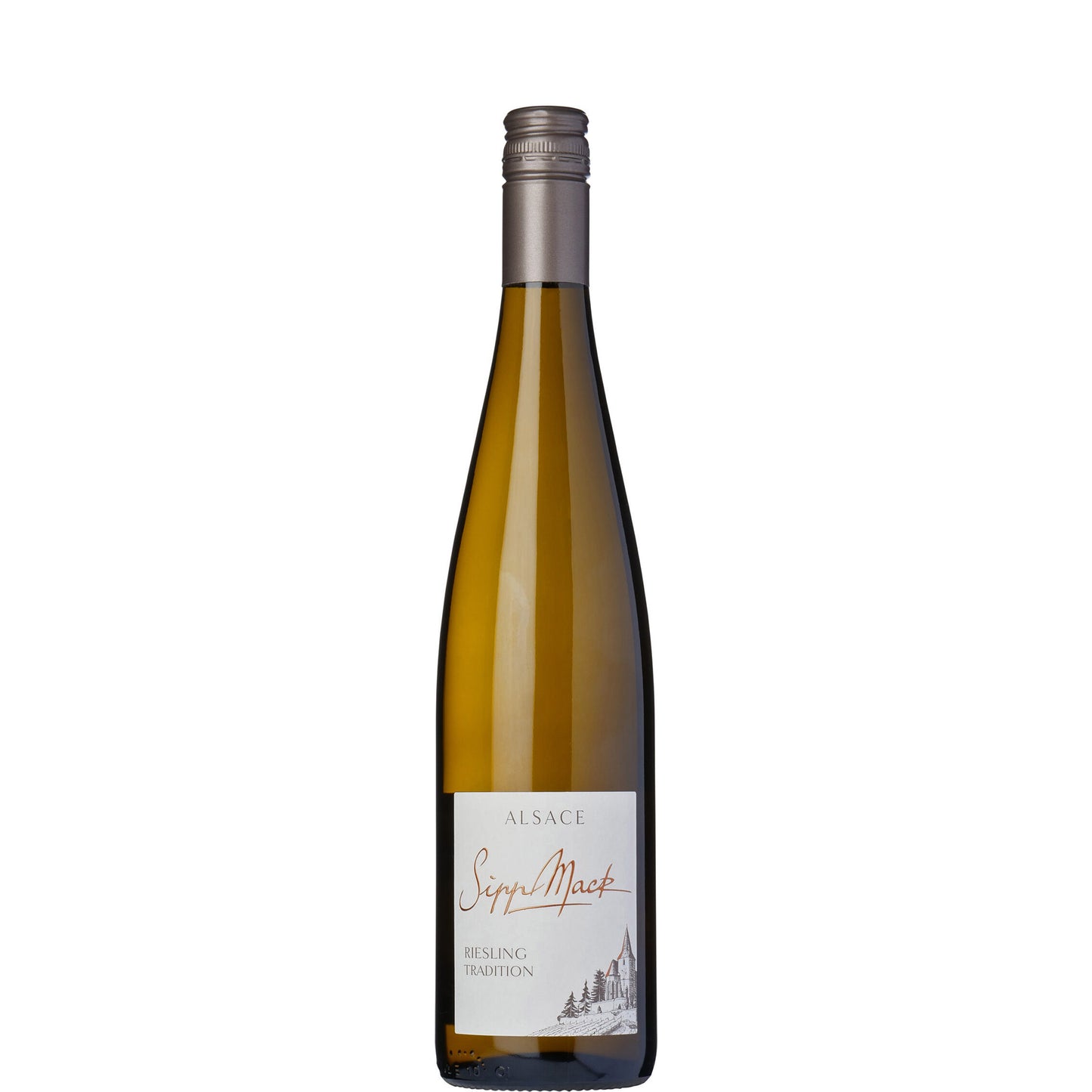
Domaine Sipp Mack, Riesling, 2018
Domaine Sipp Mack, Riesling, 2018
- White Still
- 75CL
- 12.5%
- Riesling
Couldn't load pickup availability
Domaine Sipp Mack produces classic Alsace Riesling from vineyards around Hunawihr, where the Vosges foothills provide ideal exposure and protection. This 2018 vintage represents the estate's commitment to terroir-driven winemaking, fermented dry in the traditional Alsatian style.
The wine displays the crystalline precision that defines great Alsace Riesling: lime and white stone fruit married to pronounced minerality from the region's limestone and granite soils. Clean, focused acidity provides structure while allowing delicate floral aromatics to emerge.
Currently displaying primary fruit and floral characteristics with emerging mineral complexity typical of young Alsace Riesling. Over the next 2-3 years, the wine will develop greater integration between fruit and acidity while building more pronounced petrol and honey aromatics. By 2028-2030, expect full secondary development with enhanced spice and herb complexity alongside deeper mineral expression. The wine should maintain its essential freshness and precision until 2032, after which it may begin to show signs of decline.
Tasting Notes
AppearancePale gold with brilliant clarity and youthful vibrancy.
NoseImmediate lime zest and green apple aromatics give way to white peach and subtle honeysuckle. Underlying wet stone minerality provides a clean, precise backdrop. Light petrol development suggests early maturation typical of quality Alsace Riesling.
PalateBone dry with pronounced acidity driving flavours of citrus peel and white stone fruit. The mid-palate reveals characteristic Alsatian minerality alongside delicate spice and herb nuances. Excellent concentration without heaviness, displaying the tensile strength that defines great Riesling.
FinishLong and precise with lingering lime zest and stony minerality.
Overall impressionClassic Alsace Riesling showing excellent terroir expression and varietal purity with room for further development.
Food Pairings
In Alsace, dry Riesling traditionally accompanies the region's distinctive Franco-German cuisine, particularly choucroute garnie with its combination of sauerkraut, sausages and smoked pork. The wine's acidity cuts through rich dishes like baeckeoffe, the local casserole of mixed meats and potatoes slow-cooked in Riesling. Local river fish such as pike and carp, often served with cream sauces, pair beautifully with the wine's mineral precision. Munster cheese, produced in the nearby Vosges valleys, creates a classic regional match where the wine's acidity balances the cheese's pungent richness.
We think this wine would go well with
Serve at 8-10°C in medium-sized white wine glasses to concentrate the delicate aromatics. No decanting required; the wine benefits from being opened 15-20 minutes before serving to allow the mineral character to emerge fully. Avoid over-chilling as this will suppress the subtle floral and stone fruit nuances that define quality Alsace Riesling.
The vineyards sit on Alsace's characteristic complex geology, combining limestone, sandstone and granite soils at 250-350 metres elevation. The Vosges Mountains provide crucial protection from Atlantic weather systems while creating the dry, sunny microclimate essential for Riesling ripening. These well-draining soils force vines to develop deep root systems, accessing mineral-rich subsoils that contribute to the wine's distinctive stony character. The combination of continental climate and varied soil types produces Rieslings with both aromatic intensity and pronounced minerality.
Alsace AOC permits dry and off-dry varietal wines from noble grape varieties including Riesling, Gewürztraminer, Pinot Gris and Pinot Blanc. Unlike most French appellations, Alsace labels wines by grape variety rather than place, though individual vineyard sites may be mentioned. The appellation regulations require 100% varietal purity for most wines and mandate specific minimum alcohol levels. Alsace Riesling typically ferments to complete dryness unless designated as late harvest, creating wines with more precise, mineral-driven profiles than their German counterparts.
The 2018 growing season in Alsace began with a wet spring that delayed flowering, followed by one of the hottest summers on record across much of Europe. The intense heat and drought conditions through July and August stressed the vines considerably, though the region's diverse soils and elevations meant some parcels fared better than others. September brought welcome relief with cooler temperatures and occasional rain, allowing the grapes to retain crucial acidity while completing their ripening. The harvest began earlier than usual, with producers working quickly to preserve freshness in what became a vintage defined by concentration and power.
This is a vintage of notable quality, though the wines display a richer, more opulent character than Alsace traditionalists might expect. Riesling performed particularly well on the cooler, higher sites, producing wines with impressive mineral backbone beneath the generous fruit. Gewürztraminer and Pinot Gris thrived in the heat, yielding especially expressive examples with heightened aromatics. The dry wines are drinking beautifully now and will continue to evolve gracefully over the next decade, while any late harvest wines from this vintage possess the structure for much longer ageing.
FAQs
How does this compare to German Riesling?
Alsace Riesling typically ferments to complete dryness, creating wines with more immediate accessibility and food-pairing versatility than their German counterparts. The continental climate produces riper fruit flavours while maintaining the variety's characteristic acidity and mineral expression.
What makes Alsace Riesling distinctive?
Alsace's unique geology combining limestone, granite and sandstone creates complex mineral profiles, while protection from the Vosges Mountains ensures consistent ripening. The result is Riesling with both aromatic intensity and pronounced stony minerality.
Is this wine ready to drink now?
Yes, this 2018 vintage is drinking beautifully now, showing excellent fruit-acid balance and emerging complexity. It will continue developing until 2032, gaining greater mineral depth and secondary aromatics.
What food pairs best with dry Alsace Riesling?
The wine's precise acidity makes it excellent with rich, creamy dishes, Asian cuisine with moderate spice levels, and fresh seafood. It particularly complements dishes with herbs and light spicing where its mineral character can shine.
Should I cellar this wine?
While enjoyable now, this wine will reward 3-5 years of proper cellaring. Store in a cool, dark place at consistent temperature to allow the development of classic Riesling petrol aromatics and greater mineral complexity.
How can I identify quality Alsace Riesling?
Look for crystalline clarity, precise acidity, and pronounced mineral character balanced with delicate fruit. Quality producers like Sipp Mack focus on terroir expression rather than overt fruitiness, creating wines with distinctive stony backbone.
-
Free UK Delivery
Learn about deliveryGet free UK delivery when you spend £75 or more on duty paid wine
-
Save 30% on a host of quality wines
Our fine wines are sourced from our sister retailers, but offered at a substantial discount to their previous selling prices.