

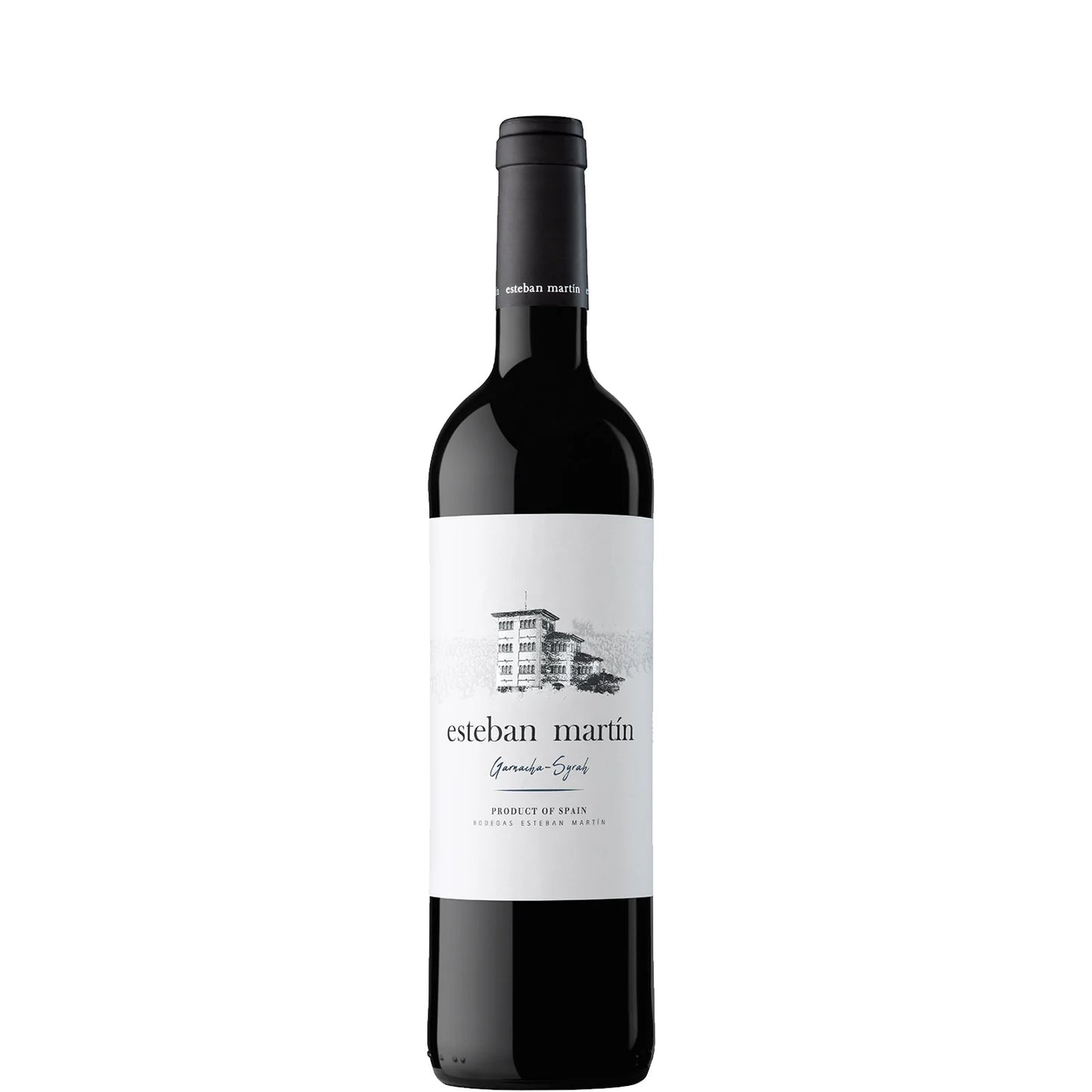
- Red Still
- 75CL
- 14%
- Garnacha, Tempranillo, Syrah
Couldn't load pickup availability
A rich bouquet of blackberries and plums, complemented by hints of pepper and spice. With its well-structured tannins and smooth finish, it exemplifies modern winemaking, ideal for pairing with roasted meats and hearty dishes.
Founded in 2003 by Miguel Antonio Esteban and Asuncíon Martín, this 400-hectare winery located in the foothills of the Sierra de Algairen mountains is renowned for producing wines of great character and flavour thanks to the Cariñena Protected Designation of Origin's rocky terrain.
Currently showing primary fruit character with well-integrated oak, this wine will develop over the next 2-3 years as the tannins soften further. Secondary complexity should emerge by 2028, with earthy and mineral qualities becoming more pronounced whilst maintaining the core fruit. The wine will likely plateau around 2029-2030, after which the fruit may begin to fade though the structure will remain sound.
Tasting Notes
AppearanceDeep ruby with purple edges, showing the wine's youth and concentration.
NoseBlackberry and plum dominate, supported by Mediterranean herbs and a touch of black pepper. The oak integration shows well, adding vanilla and spice without overwhelming the fruit. A mineral edge emerges with aeration.
PalateFull-bodied with ripe dark fruit flavours matching the nose, balanced by good acidity and structured tannins. The mid-palate shows depth, with earthy undertones and a savoury quality that speaks to the rocky terroir. Modern winemaking shows in the polished texture.
FinishMedium-long with lingering spice and a clean, dry conclusion.
Overall impressionA well-made modern Spanish red that balances power with drinkability.
Food Pairings
In Aragón, this style of wine traditionally accompanies hearty mountain fare like cordero asado (roast lamb) with rosemary and garlic, or ternasco con chilindrón, young lamb braised with red peppers and tomatoes. Local charcuterie including chorizo de Cantimpalos and jamón from Teruel provide classic pairings, often served with crusty bread and Manchego cheese. The wine's structure also complements cocido aragonés, a robust chickpea stew with various meats that reflects the region's harsh winters.
We think this wine would go well with
Serve at 16-18°C for optimal expression of both fruit and structure. Decanting for 30 minutes will help integrate the components and soften any youthful tannins. Use large Bordeaux-style glasses to concentrate the aromatics whilst allowing the wine to breathe.
The vineyards sit on rocky limestone and clay soils typical of the Cariñena DO, with significant diurnal temperature variation at 400-700 metres elevation. These conditions, combined with the continental climate and shelter from the Sierra de Algairen, produce grapes with concentrated flavours and natural acidity. The poor, well-draining soils force vines to develop deep root systems, contributing to the wine's mineral backbone.
Cariñena DO, established in 1932, is one of Spain's oldest appellations and sits southwest of Zaragoza in Aragón. The region specialises in robust reds from Garnacha, Tempranillo, and Cariñena (Carignan), with regulations requiring minimum alcohol levels of 12% and specific vineyard altitudes. Cariñena's continental climate and calcareous soils produce fuller-bodied wines than neighbouring Somontano, with greater concentration than Campo de Borja to the north.
The 2022 growing season in Aragón brought a mix of challenges that ultimately favoured quality over quantity. Spring arrived early with warm conditions, though frost concerns materialised in some vineyard sites during late March. Summer heat was intense and prolonged, with drought conditions putting stress on vines across the region's diverse terrain. However, this water stress proved beneficial for concentration in many cases, particularly in higher altitude vineyards where diurnal temperature variation helped preserve acidity. Harvest began earlier than usual, with careful timing essential to capture optimal ripeness before excessive heat could compromise freshness.
The vintage produced wines of notable concentration and structure, though yields were reduced. Garnacha performed exceptionally well, thriving in the hot, dry conditions that suit this indigenous variety perfectly. The grape retained its characteristic bright fruit whilst developing impressive depth and complexity. Tempranillo showed more variable results depending on site selection and vineyard management, with the best examples displaying excellent colour and tannin structure. Most 2022 Aragón wines are approachable now but will reward cellaring, with the finest examples likely to develop beautifully over the next 8-12 years. This is a vintage that captures the essence of Aragón's continental climate at its most expressive.
FAQs
What grape varieties are used in this blend?
This is a typical Cariñena blend featuring Garnacha (Grenache) as the primary variety, supported by Tempranillo and Syrah. The combination provides structure, spice, and concentrated dark fruit flavours characteristic of high-altitude Aragonese vineyards.
How does this compare to other Spanish regions?
Cariñena produces fuller-bodied wines than Rioja due to its continental climate and higher altitude, but with more elegance than La Mancha. The rocky soils and temperature variation create wines with more mineral complexity than neighbouring Campo de Borja.
Is this wine ready to drink now?
Yes, the 2022 is drinking well now with approachable tannins and integrated oak. However, it will continue to develop until 2030, gaining complexity whilst maintaining its fruit-forward character.
What food would you recommend with this wine?
This wine pairs excellently with grilled or roasted red meats, particularly lamb and beef. Spanish dishes like cordero asado or beef stews work brilliantly, as do hearty British roasts and Mediterranean grilled vegetables.
Should I decant this wine?
Decanting for 30 minutes is recommended to allow the wine to open up and integrate fully. This will soften any remaining tannins and enhance the aromatic expression, particularly the spice and mineral elements.
How long will this wine keep once opened?
Once opened, this wine will maintain its quality for 3-4 days if re-corked and stored in a cool place. The wine's good acidity and tannin structure help preserve it, though it's best enjoyed within 48 hours of opening for optimal freshness.
-
Free UK Delivery
Learn about deliveryGet free UK delivery when you spend £75 or more on duty paid wine
-
Save 30% on a host of quality wines
Our fine wines are sourced from our sister retailers, but offered at a substantial discount to their previous selling prices.