

- Red Still
- 75CL
- 12.5%
- Organic
- Biodynamic
- Sangiovese
Couldn't load pickup availability
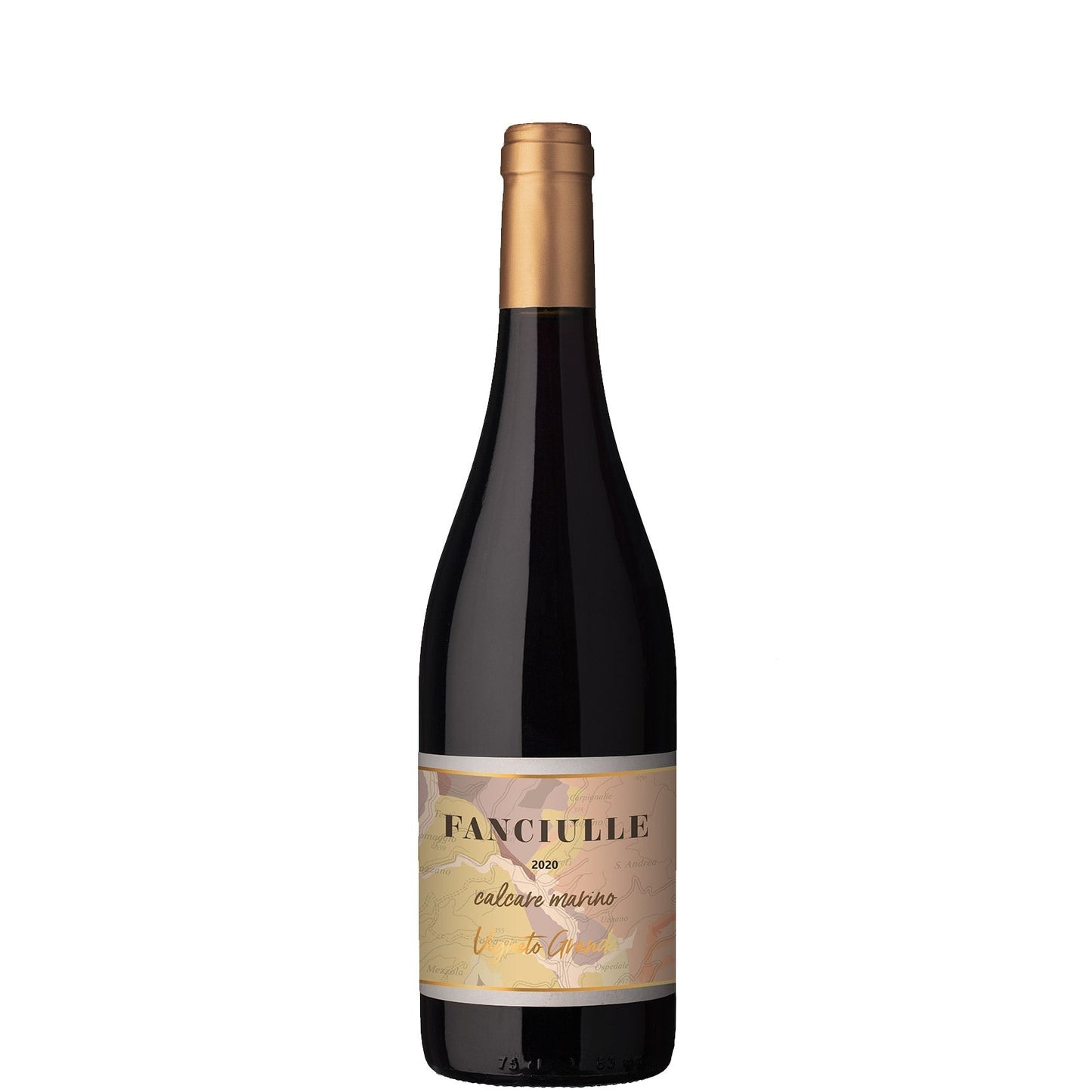
Jem Macy is the founder and winemaker of Fanciulle, the gorgeous boutique estate from the sun-drenched hills of Tuscany. Every wine that Fanciulle produces is either biodynamically or organically grown across her range of single (predominantly) Sangiovese sites. Fanciulle typicity would be described as elegant and opulent whilst being fresh and invigorating, or to put it in Jem's own (and incredibly accurate words), "Sangiovese for Burgundy lovers" .
"From limestone-rich soils. South facing, 400m above sea level. 25yr old vines. 2/3 French oak, 12.5% alcohol. "Quite a deep but lifted nose, spiced plums and sweet anise, dried violets, cacao nibs, touches of cedar and iron filings and a campfire the following morning, hints of crushed rock and marzipan but also a re citrus oil note too. High-toned berry fruit on the aerien attack, succulent, well-drawn tannins that draw the spicy, herbal berry fruit mid-palate along to a tapered finish. Mid-weight but plenty of intensity and energy at the core."
Tom Harrow, Honest Grapes Wine Director
Currently showing primary fruit character with mineral and herbal complexity already emerging. Over the next 18-24 months, expect the tannins to soften whilst retaining their structure, allowing the spiced plum and violet character to integrate further. The wine should reach peak drinking by 2028, when secondary earthy and leather nuances will complement the fruit. Its limestone-driven acidity will maintain freshness through 2032, though the primary fruit will gradually yield to more savoury complexity.
Tasting Notes
AppearanceDeep ruby with lifted, bright edges suggesting good acidity.
NoseSpiced plums and sweet anise lead, followed by dried violets and cacao nibs. Cedar and iron filings add complexity alongside subtle campfire smoke and crushed limestone. A bright citrus oil note lifts the aromatics, with marzipan providing sweetness.
PalateHigh-toned berry fruit opens with an airy attack, followed by succulent, well-integrated tannins. The spicy, herbal berry character carries through the mid-palate with impressive energy and intensity at the core. Mid-weight structure belies the wine's concentrated flavour profile.
FinishTapered and precise, with mineral and herb characters lingering.
Overall impressionA refined Sangiovese that demonstrates remarkable energy whilst maintaining the variety's inherent elegance.
Food Pairings
In Tuscany, this style of refined Sangiovese pairs beautifully with the region's rustic cuisine. Wild boar ragu with pappardelle showcases the wine's earthy character, whilst grilled Chianina beef brings out its mineral spine. Pecorino Toscano aged in caves complements the limestone influence, and ribollita, the hearty bread and vegetable soup, matches the wine's medium weight perfectly. The local tradition of simply grilled meats seasoned with rosemary and garlic allows the wine's herbal character to shine.
We think this wine would go well with
Serve at 16-18°C in large Burgundy bowls to capture the lifted aromatics. Decant for 30 minutes to allow the wine to open, though it's approachable immediately. The wine's elegant structure means it doesn't require extended breathing time. Use glasses with a generous bowl to concentrate the complex nose whilst allowing the wine's energy to express itself.
Vigneto Grande sits at 400 metres elevation on limestone-rich soils with a coveted south-facing aspect. The 25-year-old Sangiovese vines benefit from the altitude's diurnal temperature variation, preserving acidity whilst the limestone imparts mineral tension. This combination of elevation, exposure, and calcareous soil creates wines with both power and finesse, allowing the variety's natural elegance to shine through.
As a Tuscan estate wine, Fanciulle operates outside the traditional Chianti or Brunello classifications, giving Jem complete freedom in her winemaking approach. This allows for innovative techniques like partial French oak ageing and lower alcohol levels that might not conform to DOC regulations. The result is a more modern, terroir-driven interpretation that emphasises site expression over regional convention, reflecting a new generation of Tuscan winemakers prioritising elegance over power.
The 2020 growing season in Toscana delivered the kind of conditions that winemakers dream about. A mild winter gave way to a warm, dry spring that encouraged healthy flowering across the region's hillsides. Summer brought sustained heat without excessive temperatures, allowing the vines to ripen steadily while retaining crucial acidity. September's cooler nights proved particularly beneficial, extending the harvest period and enabling producers to pick at optimal ripeness levels. Rain arrived just when needed in early autumn, refreshing the vines without compromising fruit quality.
This vintage has produced wines of exceptional concentration and balance across Toscana's key varietals. Sangiovese shows remarkable depth of colour and structured tannins, while international varieties like Cabernet Sauvignon and Merlot achieved full phenolic ripeness without losing freshness. The quality is consistently high from Chianti Classico through to the Super Tuscans of Bolgheri and Maremma. While the finest Riservas and premium bottlings will benefit from cellar time until 2028-2030, many Chianti and entry-level wines are already drinking beautifully and will continue to evolve gracefully over the next decade.
FAQs
What makes this different from traditional Chianti?
Fanciulle operates outside DOC regulations, allowing lower alcohol levels and partial French oak ageing. The focus is on terroir expression rather than regional style, creating a more Burgundian approach to Sangiovese with emphasis on elegance over power.
Why does this taste different from other Tuscan Sangiovese?
The limestone-rich soils and 400m elevation create mineral tension and preserved acidity uncommon in warmer Tuscan sites. Combined with 25-year-old vines and careful oak integration, this produces a more refined, structured wine than typical regional expressions.
How long will this keep after opening?
The wine's good acidity and structure mean it will hold well for 2-3 days after opening if stored in the fridge. Decanting helps it open initially, but it remains stable once exposed to air due to its balanced composition.
Is this ready to drink now or should I cellar it?
Enjoyable now but will benefit from 18-24 months' cellaring to allow tannins to integrate fully. The wine will peak around 2028 and hold until 2032, developing more complex earthy and savoury character whilst retaining its core elegance.
What's the difference between biodynamic and organic viticulture here?
All Fanciulle vineyards are grown without synthetic chemicals, with some sites following full biodynamic practices including lunar calendar timing and natural preparations. Both approaches aim to enhance soil health and vine balance, contributing to the wine's pure fruit expression.
Why is the alcohol lower than typical Tuscan reds?
The 400m elevation and limestone soils naturally preserve acidity, allowing harvest at optimal flavour ripeness without excessive sugar accumulation. This creates better balance and digestibility whilst maintaining intensity and character.
-
Free UK Delivery
Learn about deliveryGet free UK delivery when you spend £75 or more on duty paid wine
-
Save 30% on a host of quality wines
Our fine wines are sourced from our sister retailers, but offered at a substantial discount to their previous selling prices.