

- Red Still
- 75CL
- 14%
- Organic
- Biodynamic
- Sangiovese
Couldn't load pickup availability
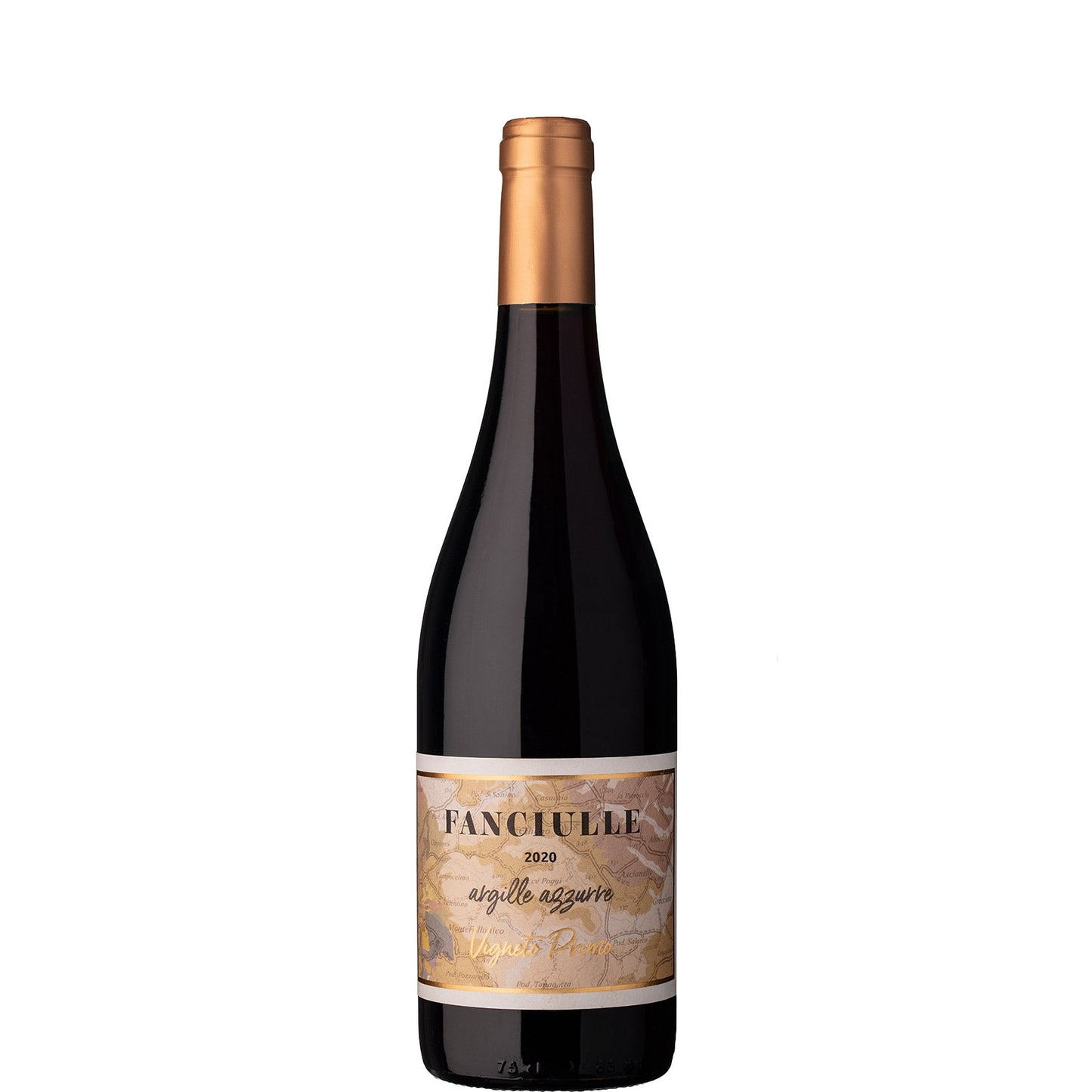
Jem Macy is the founder and winemaker of Fanciulle, the gorgeous boutique estate from the sun-drenched hills of Tuscany.
Every wine that Fanciulle produces is either biodynamically or organically grown across her range of single (predominantly) Sangiovese sites. Fanciulle typicity would be described as elegant and opulent whilst being fresh and invigorating, or to put it in Jem's own (and incredibly accurate words), "Sangiovese for Burgundy lovers".
The 2020 vintage currently shows primary red fruit character with underlying structure that will integrate over the next 2-3 years. By 2028-2030, expect secondary development of leather, earth, and dried herb complexity whilst maintaining the bright fruit core. The wine should reach full harmony between fruit, tannin, and acidity around 2030, holding this peak until 2035. After this point, the delicate fruit may begin to fade, though the wine will remain interesting for its tertiary development.
Tasting Notes
AppearanceBright ruby red with garnet highlights at the rim.
NoseRed cherry and wild strawberry dominate, supported by violet florals and dried herbs. Subtle spice emerges with cedar and a touch of tobacco leaf. The aromatics show typical Sangiovese brightness with underlying mineral complexity.
PalateMedium-bodied with vibrant acidity that drives red fruit flavours across the palate. Tannins are present but refined, providing structure without overwhelming the delicate fruit. The finish reveals earthy undertones and lingering spice. Balance between fruit, acidity, and tannin exemplifies the elegant style Fanciulle pursues.
FinishClean and persistent with cherry fruit and mineral salinity.
Overall impressionA precise, terroir-driven Sangiovese that prioritises elegance and food compatibility over immediate impact.
Food Pairings
Tuscans traditionally pair Sangiovese with bistecca alla fiorentina, the region's massive T-bone steaks grilled over chestnut wood. Wild boar ragu with pappardelle showcases the wine's ability to complement rich, earthy flavours without being overwhelmed. Pecorino toscano aged in caves provides a classic cheese pairing, whilst ribollita (the hearty bread and vegetable soup) demonstrates Sangiovese's versatility with rustic, herb-laden dishes. The wine's bright acidity cuts through the olive oil that features prominently in Tuscan cooking.
We think this wine would go well with
Serve at 16-18°C to allow the fruit and floral aromatics to express fully whilst maintaining structural definition. Decant for 30-45 minutes to soften any youthful tannins and integrate the components. Use large Burgundy bowls rather than Bordeaux glasses to concentrate the delicate aromatics and allow proper aeration. The wine benefits from gentle handling rather than aggressive decanting.
The Vigneto Primo vineyard sits on Tuscany's sun-drenched hills with well-draining soils that stress the vines appropriately for concentrated fruit. The elevation and exposure create diurnal temperature variation that preserves acidity whilst allowing full phenolic ripeness. These conditions allow Sangiovese to develop its characteristic bright red fruit whilst maintaining the structural backbone that defines great expressions of the variety.
Tuscan Sangiovese operates under various appellations, from Chianti Classico DOCG to IGT classifications that allow winemakers greater freedom. The IGT designation permits experimental approaches and single-vineyard expressions that might not conform to traditional Chianti requirements. This flexibility has enabled producers like Fanciulle to craft wines that emphasise site specificity over regional conformity, often resulting in more precise and distinctive expressions.
The 2019 growing season in Tuscany brought welcome relief after the challenging conditions of 2018. Spring arrived with good flowering conditions, setting the stage for healthy fruit development. Summer temperatures remained moderate rather than excessive, with well-timed rainfall providing crucial hydration without disrupting ripening. The extended autumn allowed for patient harvesting decisions, with many producers able to pick at optimal ripeness levels. These favourable conditions meant that both early and late-ripening varieties benefited from the prolonged, stable weather patterns.
This vintage delivered wines of considerable charm and immediate appeal across Tuscany's key appellations. Sangiovese achieved excellent colour concentration and ripe tannin structure, whilst international varieties like Cabernet Sauvignon and Merlot showed particular promise in the region's super Tuscan blends. The wines display attractive fruit purity with well-integrated oak where used. Most 2019 Tuscan wines are drinking beautifully now, offering accessible pleasure in their youth, though the finest Brunello di Montalcino and top-tier Chianti Classico reserves will reward cellaring for another decade or more.
FAQs
What makes this different from traditional Chianti?
Vigneto Primo emphasises single-vineyard expression and elegance over the broader regional style. Jem Macy's approach prioritises finesse and terroir specificity, resulting in a wine that's more restrained and food-friendly than many traditional Chiantis.
When should I drink this wine?
The 2020 is approachable now but will develop greater complexity through 2030. It's designed for relatively early drinking compared to the most age-worthy Tuscan reds, reaching its peak within the next 4-5 years.
Why is this described as 'Sangiovese for Burgundy lovers'?
The wine emphasises elegance, balance, and terroir expression over power and extraction. This approach mirrors Burgundian winemaking philosophy, creating a Sangiovese that's more delicate and nuanced than the bold, structured style traditionally associated with Tuscany.
What food should I pair with this?
The wine's bright acidity and medium body make it excellent with herb-crusted lamb, mushroom risotto, or aged sheep's cheese. It's particularly suited to dishes that feature herbs, tomatoes, or earthy flavours without being overly rich.
How does the biodynamic approach affect the wine?
Biodynamic viticulture at Fanciulle focuses on vineyard health and natural balance, which contributes to the wine's clean, precise character and authentic terroir expression. The approach supports the elegance and purity that defines this style.
Should I cellar this wine?
The 2020 will reward 3-5 years of proper cellaring, developing greater complexity and integration. However, it's crafted for accessibility and food pairing rather than extended ageing, so drinking within the next decade is recommended.
-
Free UK Delivery
Learn about deliveryGet free UK delivery when you spend £75 or more on duty paid wine
-
Save 30% on a host of quality wines
Our fine wines are sourced from our sister retailers, but offered at a substantial discount to their previous selling prices.