

- White Still
- 75CL
- 13.5%
- Organic
- Sauvignon Blanc
Couldn't load pickup availability
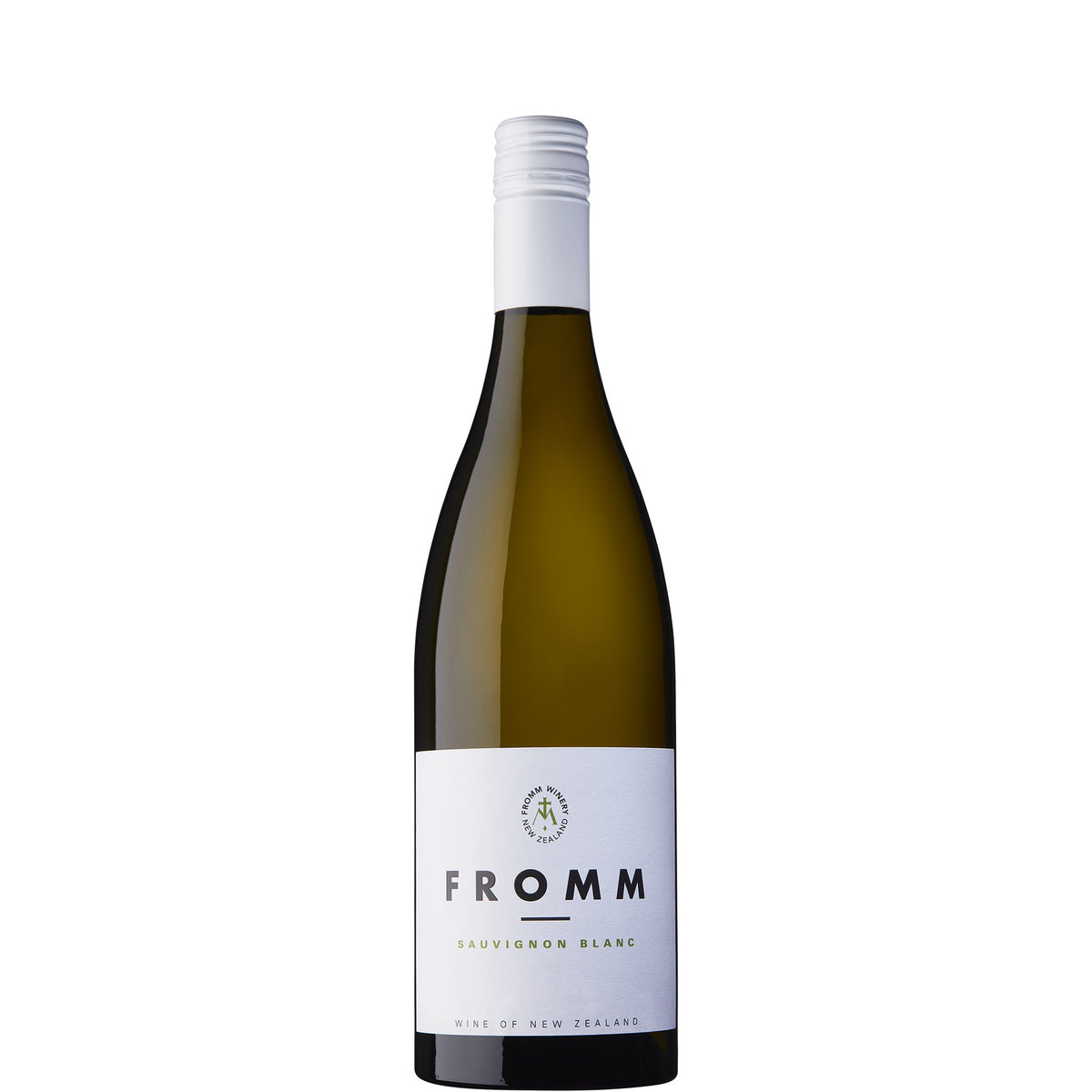
Fromm's Sauvignon Blanc stands apart from the exuberant, passionfruit-driven wines that made Marlborough famous. This is a more restrained, textural expression, built on wild yeast fermentation and extended lees contact that bring savoury depth and a saline, mineral edge to the classic gooseberry and citrus fruit.
Fromm has been building a cult following in Marlborough’s Southern Valleys since the 1990s, and for good reason. The estate began converting to organic viticulture in 2005, with a particular focus on single-vineyard wines that put site firmly in the spotlight.
The approach in the cellar is distinctly Burgundian: small production of around 3,000 cases a year, hand-farmed vineyards, hand-picked fruit, wild-yeast fermentation and ageing in Burgundian oak. The wines are bottled unfined and unfiltered, with minimal sulphur. It’s thoughtful, hands-on winemaking rather than a recipe for making wine by numbers. The result is a lovely meeting of two worlds: Burgundy’s elegance, structure and subtlety, wrapped around the generous, plush fruit that New Zealand does so well. Fromm’s wines have real finesse, but they’re certainly not short on charm.
This is not a wine built for long cellaring, but its textural, savoury style means it develops more gracefully over its first few years than most Marlborough Sauvignon Blanc. The primary citrus and gooseberry fruit will soften slightly over the next year or two, allowing the mineral and lees-derived savoury notes to move further forward. Expect the wine to be at its most complete and balanced between 2026 and 2028.
Tasting Notes
AppearancePale lemon with a faint green tinge at the rim.
NoseGrapefruit pith and gooseberry lead, backed by fresh-cut green herb and a faint flinty, saline edge. There is none of the overripe passionfruit or tinned pineapple found in more commercial styles.
PalateTextural and savoury, with citrus and green apple fruit carried on a firm, almost chalky mineral spine. Lees ageing gives a subtle creaminess that tempers the racy acidity without softening the wine's drive.
FinishLong, dry and saline, with a lingering grapefruit bitterness.
Overall impressionA serious, food-friendly Sauvignon Blanc that trades Marlborough's usual exuberance for structure and savoury depth.
Food Pairings
In Marlborough, Sauvignon Blanc is poured generously alongside freshly shucked Bluff oysters and local green-lipped mussels steamed with garlic and white wine. Pacific-influenced plates built around raw fish, citrus and coriander are a natural match, as is the region's abundant seasonal asparagus served simply with butter. Goat's cheese from nearby Nelson is a favourite, its tang playing against the wine's acidity. Fresh snapper or blue cod, grilled or pan-fried, is the everyday fish supper this wine was built for.
We think this wine would go well with
Serve at 10-12°C, slightly warmer than a basic Sauvignon Blanc to let the texture and savoury notes show. No decanting is necessary, though 10 minutes in the glass helps the aromatics open. A standard white wine glass with reasonable bowl width suits it better than a narrow flute, giving the lees-derived texture room to express itself.
The fruit is grown on the Wairau Plain, where free-draining, stony alluvial soils sit over deeper clay, moderating vigour and encouraging the vine to work harder for its fruit. Marlborough's long, cool growing season and wide diurnal swing preserve natural acidity while allowing steady ripening. Fromm's parcels are managed for lower yields than is typical in the region, concentrating flavour and giving the wine its textural weight.
Marlborough sits at the northern tip of New Zealand's South Island and is the country's largest and most influential wine region, responsible for the vast majority of national Sauvignon Blanc production. The Wairau Valley, where Fromm is based, produces riper, more textured wines than the cooler, more mineral Awatere Valley to the south. There is no formal appellation hierarchy as in Europe, but Wairau fruit is generally understood to give a rounder, more savoury style of Sauvignon Blanc than its neighbours.
Marlborough's 2023 growing season was defined by resilience rather than ease. The region came into the vintage still recovering from a wet, cyclone-affected 2022, and early 2023 brought further rainfall pressure, including the remnants of Cyclone Gabrielle in February, which tested growers' patience and vineyard management more than it damaged fruit outright in most Marlborough sites. Careful canopy work and selective picking became the difference between good and average outcomes, and those who waited for proper ripeness were rewarded with fruit of real purity.
Quality is good rather than exceptional, with Sauvignon Blanc showing bright, precise fruit character and slightly lower yields concentrating flavour in the best parcels. Pinot Noir growers who managed crop levels carefully have produced wines with genuine freshness and fine tannin structure. This is a vintage that rewards producer selection more than most. The whites are approaching their best now and should be enjoyed over the next two to three years, while the more serious Pinot Noirs will benefit from a further year or two in bottle before showing their full potential.
FAQs
How does this differ from typical Marlborough Sauvignon Blanc?
Fromm favours wild yeast fermentation and lees ageing over the tank-fermented, cultured-yeast approach used by most large producers, giving a more savoury, textural wine with less overt tropical fruit.
What is the ideal drinking window?
Best enjoyed between 2026 and 2029. It has more staying power than most Sauvignon Blanc from the region, but it is not intended for extended cellaring.
Should I decant this wine?
No decanting is needed. A few minutes in the glass is enough to let the aromatics settle.
What food does it pair best with?
Shellfish, grilled white fish, and dishes with fresh herbs or citrus all work well, as does goat's cheese.
Is this wine organic?
Fromm farms its vineyards along organic principles, though buyers should check current certification status with the producer.
How does it compare to Sancerre?
It shares Sancerre's savoury, mineral restraint more than it does the typical exuberant Marlborough style, though the fruit character remains distinctly New World.
-
Free UK Delivery
Learn about deliveryGet free UK delivery when you spend £75 or more on duty paid wine
-
Save 30% on a host of quality wines
Our fine wines are sourced from our sister retailers, but offered at a substantial discount to their previous selling prices.