

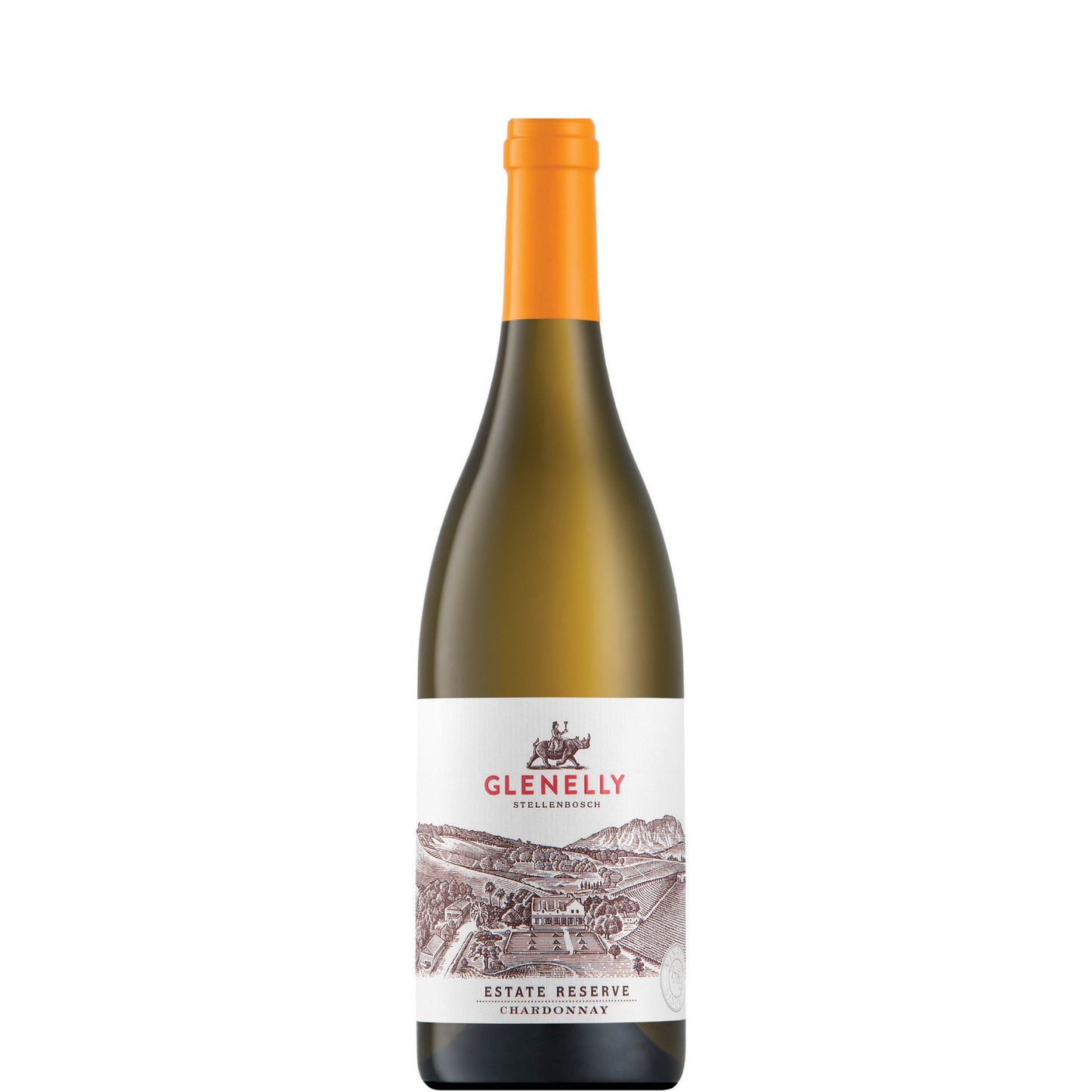
Glenelly, Estate Reserve Chardonnay, 2022
Glenelly, Estate Reserve Chardonnay, 2022
- White Still
- 75CL
- 13.5%
- Chardonnay
Couldn't load pickup availability
Glenelly Estate sits in the prestigious Ida's Valley within Stellenbosch, where owner May-Eliane de Lencquesaing applies the precision learned during her tenure at Pichon Baron to South African terroir. The Estate Reserve Chardonnay 2022 represents the estate's flagship white wine, crafted from carefully selected parcels on the cooler, south-facing slopes.
This wine balances Old World restraint with New World fruit intensity. Partial barrel fermentation and lees ageing create a creamy texture that frames bright citrus and stone fruit flavours, while the underlying minerality speaks to the decomposed granite soils. Drinking beautifully now, it will develop additional complexity until 2030.
Currently showing primary fruit character balanced with early oak integration, this wine will develop greater complexity over the next two years. By 2028, expect the oak to fully integrate while secondary flavours of honey and brioche emerge. The granite-derived minerality will become more pronounced, adding depth to the citrus core. The wine should maintain its freshness until 2030, after which the fruit may begin to fade.
Tasting Notes
AppearancePale gold with green highlights, brilliant clarity suggesting careful handling.
NoseCitrus blossom and white peach lead, supported by subtle vanilla and toasted almonds from oak. Underlying mineral tension adds complexity, with faint honeysuckle emerging as the wine opens. The integration of fruit and oak speaks to careful barrel selection and timing.
PalateMedium-bodied with excellent texture from lees stirring, showing ripe stone fruit and lemon curd flavours. The oak provides structure rather than dominance, with well-integrated spice and cream. Natural acidity maintains freshness through the mid-palate, while the granite soils contribute a distinctive mineral backbone.
FinishLong and persistent with lingering citrus zest and a saline mineral note that draws you back to the glass.
Overall impressionA sophisticated Chardonnay that successfully marries Old World restraint with South African fruit character.
Food Pairings
In the Western Cape, this style of Chardonnay traditionally accompanies line fish like kingklip or yellowtail, often prepared with lemon and herbs. Local favourites include Cape Malay curry with mild spicing, particularly fish curry with coconut and coriander. The wine pairs beautifully with snoek pâté on sourdough, ostrich carpaccio, and the region's excellent artisanal cheeses. Braai culture embraces it alongside grilled prawns with garlic butter, while restaurant menus feature it with Knysna oysters and West Coast mussels.
We think this wine would go well with
Serve at 10-12°C in a Burgundy glass to concentrate the aromatics while allowing the texture to develop. No decanting required, but allow 15 minutes in the glass for the wine to open fully. Remove from refrigeration 20 minutes before serving to achieve optimal temperature and aromatic expression.
Glenelly's vineyards sit in Ida's Valley at 200-400 metres elevation, benefiting from cooling afternoon winds from False Bay. The soils are predominantly decomposed granite with clay subsoils, providing excellent drainage while retaining enough moisture for the vines. The Chardonnay blocks face south and east, receiving gentle morning sun and protection from harsh afternoon heat, creating ideal conditions for slow ripening and natural acidity retention.
Stellenbosch is South Africa's most prestigious wine region, established in 1679 and renowned for both red Bordeaux blends and premium Chardonnay. The appellation encompasses diverse terroirs from mountain slopes to valley floors, with the cooler areas like Ida's Valley particularly suited to white varieties. Stellenbosch wines typically show more structure and ageability than those from warmer regions, earning comparison to classic European styles.
The 2022 growing season in Stellenbosch unfolded with characteristic variability, demanding careful vineyard management from producers. Winter rainfall proved adequate, replenishing soil moisture after several challenging dry years, though spring brought the usual concerns about wind damage in exposed sites. The summer months required judicious irrigation management, with temperatures remaining largely within optimal ranges. Harvest timing became crucial as producers balanced phenolic ripeness with natural acidity, particularly for the region's flagship Cabernet Sauvignon plantings on the mountain slopes and valley floors.
The vintage has produced wines of solid quality rather than exceptional character, with Cabernet Sauvignon and Merlot showing good concentration and structure. Chenin Blanc performed reliably across different elevations, maintaining the bright acidity that defines Stellenbosch expressions of this variety. While 2022 may not achieve the acclaim of standout years, the wines display honest varietal character and proper balance. Most reds will benefit from three to five years of cellaring to integrate their tannins fully, whilst the whites are drinking well now with potential to develop complexity over the next two to three years.
FAQs
Is this wine ready to drink now?
Yes, the 2022 vintage is drinking beautifully now with excellent balance between fruit, oak, and acidity. While it will develop further complexity until 2030, it's perfectly enjoyable at this stage.
How does this compare to Burgundian Chardonnay?
This wine shows more upfront fruit character than most Burgundies, but shares the mineral backbone and restrained oak handling. The granite soils provide similar minerality to Chablis, while the warmer climate gives riper stone fruit flavours.
What makes Glenelly special in South Africa?
Owner May-Eliane de Lencquesaing brings Bordeaux château experience to Stellenbosch, emphasising terroir expression over flashy winemaking. The estate's position in Ida's Valley provides ideal conditions for premium Chardonnay production.
Should I cellar this wine?
While delicious now, cellaring for 2-4 years will reward patience with increased complexity and integration. The wine's natural acidity and mineral structure suggest good ageing potential until 2030.
What food pairings work best?
The wine's creamy texture and mineral backbone make it excellent with seafood, particularly lobster, scallops, or grilled fish. It also pairs beautifully with roast chicken, creamy pasta dishes, and soft cheeses like Brie or Camembert.
How much oak influence is there?
The oak is well-integrated, providing structure and subtle vanilla spice without dominating the fruit. Expect creamy texture from lees contact rather than heavy oak flavours, showing restraint typical of the estate's Bordeaux-influenced style.
-
Free UK Delivery
Learn about deliveryGet free UK delivery when you spend £75 or more on duty paid wine
-
Save 30% on a host of quality wines
Our fine wines are sourced from our sister retailers, but offered at a substantial discount to their previous selling prices.