

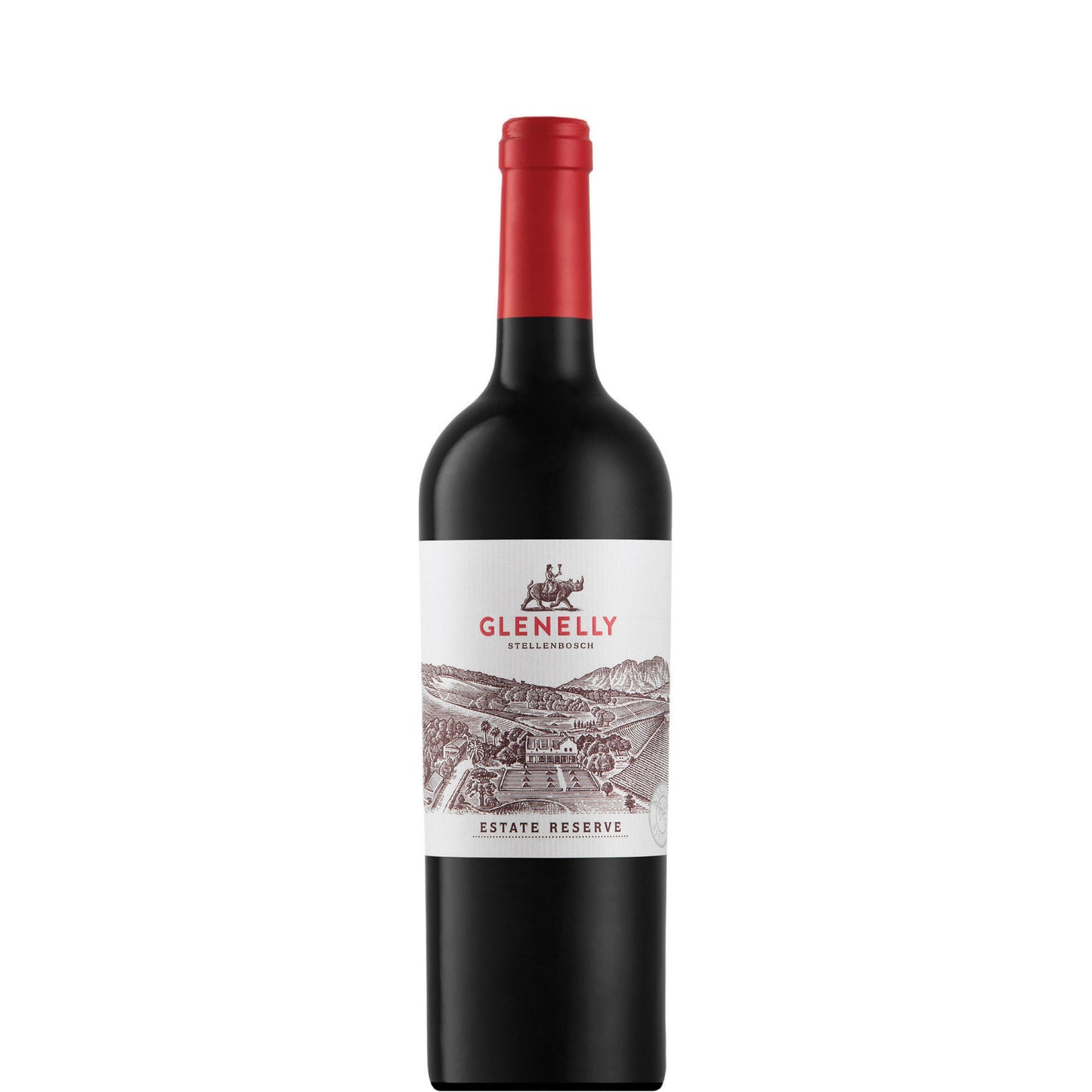
Glenelly, Estate Reserve Rouge, 2017
Glenelly, Estate Reserve Rouge, 2017
- Red Still
- 75CL
- 14.5%
- Cabernet Sauvignon, Merlot, Cabernet Franc, Petit Verdot
Couldn't load pickup availability
Glenelly's Estate Reserve Rouge represents the pinnacle of this Stellenbosch property's winemaking, crafted as a Bordeaux-style blend that marries French elegance with South African power. The 2017 vintage delivers concentrated dark fruit wrapped in structured tannins, with cedar and tobacco adding complexity from careful oak integration.
This wine exemplifies Stellenbosch's ability to produce age-worthy reds that rival their Old World counterparts. The blend's architecture ensures longevity whilst maintaining accessibility, making it equally suited to current enjoyment or cellaring until 2037. A wine that speaks to serious collectors seeking South African excellence.
Currently showing primary dark fruit flavours with well-integrated oak, this wine will develop greater complexity over the next 3-5 years as tannins soften and secondary characteristics emerge. Expect cedar, tobacco, and leather nuances to become more prominent by 2029, whilst the fruit moves from primary black fruits to more evolved plum and fig character. The wine should reach its peak drinking window between 2030-2035, maintaining structure and elegance before beginning a gradual decline after 2037.
Tasting Notes
AppearanceDeep ruby-garnet with purple highlights, showing good concentration and opacity.
NoseBlackcurrant and dark plum dominate, supported by cedar, tobacco leaf, and subtle violet florals. French oak contributes vanilla and spice without overwhelming the fruit. Graphite minerality emerges with aeration, adding complexity.
PalateFull-bodied with excellent structure, the dark fruit core is framed by firm but ripe tannins. Mid-palate weight comes from well-integrated oak, whilst acidity provides freshness and length. Cabernet Sauvignon provides the backbone, with Merlot adding flesh and Cabernet Franc contributing herbal complexity.
FinishLong and persistent, with dark chocolate, cedar spice, and a mineral tang that lingers.
Overall impressionA serious, age-worthy red that successfully channels Bordeaux tradition through South African terroir.
Food Pairings
Stellenbosch wines traditionally accompany South Africa's renowned braai culture, particularly with grilled springbok, kudu, and ostrich steaks seasoned with local rooibos and fynbos herbs. The region's wine estates often serve these reds with Cape Malay bobotie, its sweet spices complementing the wine's fruit concentration. Potjiekos, slow-cooked stews featuring venison or lamb with vegetables, provide ideal matches for structured Cabernet blends. Local cheeses like Fairview's aged goat varieties and Klein River farmhouse cheeses create excellent pairings that reflect the terroir.
We think this wine would go well with
Serve at 16-18°C after decanting for 60-90 minutes to allow the wine to breathe and integrate its components. Use large Bordeaux glasses to concentrate the aromatics whilst providing adequate surface area for aeration. The wine benefits from opening several hours before service, particularly if drinking now rather than cellaring further.
The vineyards sit on the slopes of the Ida's Valley ward within Stellenbosch, at elevations between 200-400 metres. The diverse soils include decomposed granite, clay, and sandstone, providing excellent drainage whilst retaining sufficient moisture. The south-easterly aspect benefits from cooling breezes off False Bay, moderating the warm climate and extending ripening periods. This combination of elevation, soil diversity, and maritime influence creates ideal conditions for structured Cabernet Sauvignon-based blends.
Stellenbosch remains South Africa's most prestigious wine region, particularly renowned for Cabernet Sauvignon and Bordeaux-style blends. The appellation's diverse terroir encompasses mountain slopes, valley floors, and varying soil types across numerous wards. Strict quality controls and a Mediterranean climate with cooling ocean influences distinguish Stellenbosch from other South African regions. The area's long winemaking history and concentration of premium estates has established it as the country's equivalent to Bordeaux or Napa Valley.
The 2017 vintage in Stellenbosch brought challenges that ultimately rewarded patient winemakers. A hot, dry summer tested vine resilience, with water stress becoming a significant concern by February. The saving grace came with cooler conditions in March and April, allowing grapes to retain crucial acidity while completing their ripening cycle. Harvest timing proved critical, with those who picked early for freshness and those who waited for full phenolic development both finding success, depending on their house style and grape variety.
While 2017 may not rank among Stellenbosch's most celebrated vintages, it produced wines of genuine character and surprising longevity. Cabernet Sauvignon performed admirably, showing concentrated fruit with firm tannins that have softened beautifully. The Bordeaux blends display excellent structure and are drinking well now, though the finest examples will continue to develop through 2030. Chardonnay from the cooler ward sites retained elegance despite the warm conditions, and these wines are at their peak now. Overall, 2017 delivered honest, well-balanced wines that reflect both the vintage conditions and the skill of Stellenbosch's top producers.
FAQs
What makes Glenelly's wines distinctive among Stellenbosch producers?
Glenelly brings authentic Bordeaux expertise to South African terroir through owner May-Eliane de Lencquesaing's decades of experience at Château Pichon Comtesse de Lalande. The estate focuses exclusively on premium wines using traditional French techniques adapted to local conditions.
How does the 2017 vintage compare to other recent years?
2017 was an excellent vintage in Stellenbosch, providing ideal ripening conditions with balanced rainfall and moderate temperatures. The wines show concentrated fruit with excellent structure, making them particularly suitable for medium to long-term cellaring.
What is the blend composition of the Estate Reserve Rouge?
Whilst the exact blend varies by vintage, the Estate Reserve Rouge typically comprises Cabernet Sauvignon as the dominant variety, supported by Merlot, Cabernet Franc, and small amounts of Petit Verdot, following classic Bordeaux proportions.
Should I decant this wine and for how long?
Yes, decanting for 60-90 minutes allows the wine to integrate and show its best character. Young vintages like 2017 particularly benefit from aeration to soften tannins and release aromatics.
How long can I cellar this wine?
The 2017 Estate Reserve Rouge will drink beautifully until 2037, with peak drinking likely between 2030-2035. The wine's structure and acidity provide excellent ageing potential for collectors.
What food pairings work best with this style of wine?
Classic red meat dishes excel with this wine - think roast lamb, grilled steaks, or venison. The wine's structure also complements aged cheeses and rich, slow-braised dishes that match its intensity and complexity.
-
Free UK Delivery
Learn about deliveryGet free UK delivery when you spend £75 or more on duty paid wine
-
Save 30% on a host of quality wines
Our fine wines are sourced from our sister retailers, but offered at a substantial discount to their previous selling prices.