

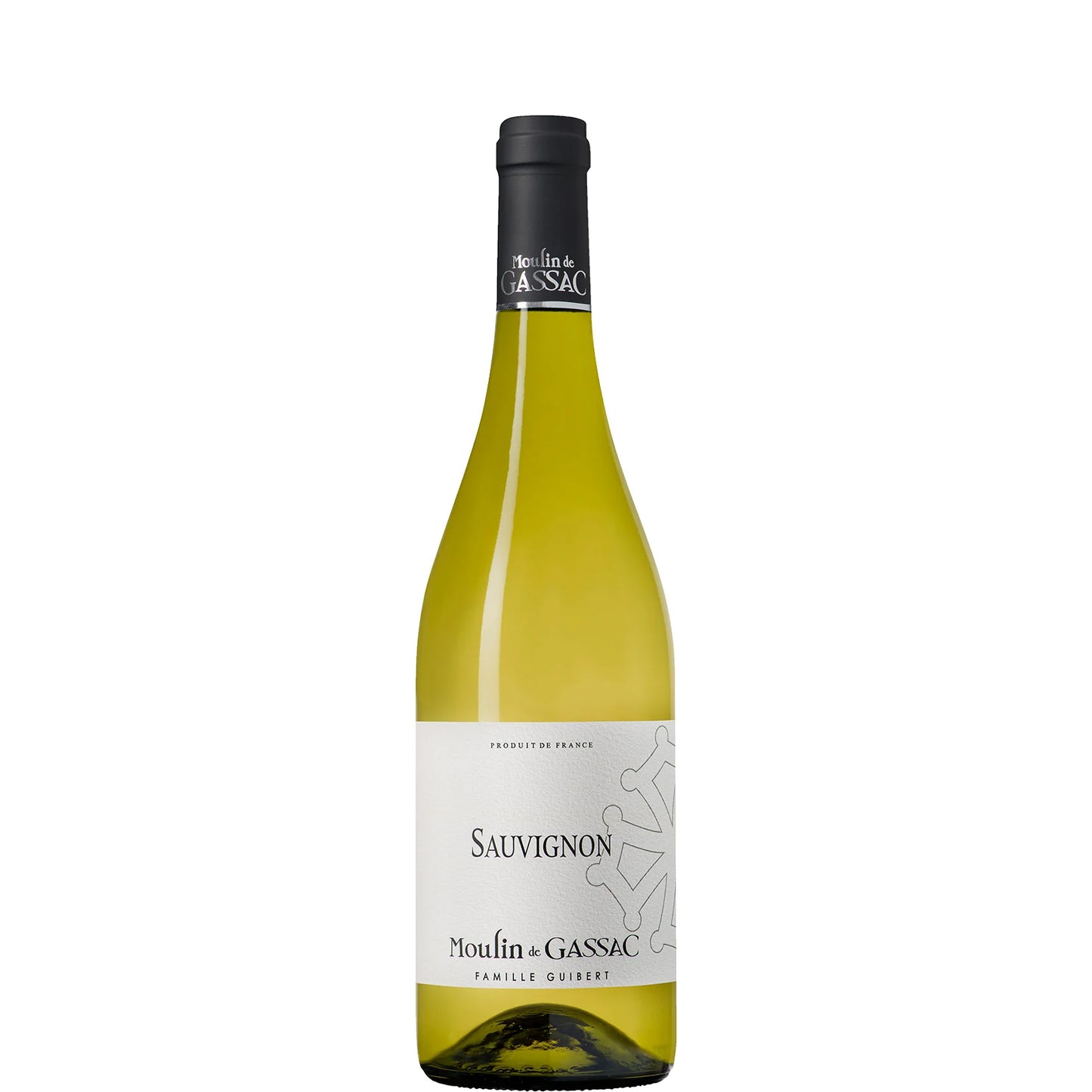
Moulin De Gassac Sauvignon Blanc, 2023
Moulin De Gassac Sauvignon Blanc, 2023
- White Still
- 75CL
- 12%
- Sauvignon Blanc
Couldn't load pickup availability
The 2023 Moulin de Gassac Sauvignon Blanc is a crisp, vibrant white, full of freshness and easy charm. Bursting with zesty citrus, green apple and a touch of cut grass, it’s lively and aromatic without ever feeling overdone.
The palate is clean and refreshing, with bright acidity and a juicy, mouth-watering finish. Perfect for sunny days, seafood, or a casual aperitif, it’s a great-value Sauvignon Blanc that delivers pure, uncomplicated drinking pleasure.
This Sauvignon Blanc is designed for immediate enjoyment and will not benefit from extended cellaring. The primary fruit flavours are at their peak now and will remain vibrant through 2027. Beyond this point, the characteristic herbaceous intensity will begin to fade, and the wine may develop less appealing vegetal characteristics. The bright acidity will soften gradually, but the wine lacks the structure and complexity for meaningful development. Drink whilst the citrus and tropical fruit elements remain prominent and the mineral finish stays crisp.
Tasting Notes
AppearancePale straw with green tinges, crystal clear with good brightness.
NoseImmediate aromas of grapefruit zest and lime peel leap from the glass. Fresh cut grass and green bell pepper provide herbaceous complexity. A subtle mineral undertone adds depth without overwhelming the primary fruit character.
PalateCrisp and focused on entry, with zippy acidity driving flavours of green apple and citrus pith. The mid-palate shows good concentration whilst maintaining freshness. A touch of tropical fruit emerges, balanced by herbaceous elements that prevent any heaviness.
FinishClean and persistent with lingering citrus and a pleasant mineral dry finish.
Overall impressionA textbook Sauvignon Blanc that delivers classic varietal character with southern French warmth and accessibility.
Food Pairings
In Languedoc, this style of crisp white wine traditionally accompanies the region's abundant seafood from the Mediterranean coast. Local favourites include grilled sardines with lemon, bouillabaisse from Sète, and fresh oysters from the Thau lagoon. The wine's acidity cuts through the richness of aioli-dressed fish dishes, whilst its herbaceous character complements the wild herbs that grow abundantly in the garrigue. Goat's cheese from the Cévennes mountains, particularly the ash-dusted Pélardon, creates another classic regional pairing that highlights both the wine's freshness and the cheese's creamy tang.
We think this wine would go well with
Serve well-chilled at 8-10°C to preserve the wine's vibrant acidity and aromatic lift. No decanting required; pour directly from the bottle to maintain the crisp, fresh character. Use a medium-sized white wine glass with a slightly tapered bowl to concentrate the aromatics whilst allowing proper aeration. Open just before serving as extended air exposure will diminish the wine's primary fruit freshness.
The vineyards benefit from the unique microclimate of the Gassac valley, where cool air currents from the nearby Cévennes mountains moderate the Mediterranean heat. The soils are predominantly limestone and clay, providing good drainage whilst retaining enough moisture for the vines during dry summers. This combination of elevation, cooling influences, and mineral-rich soils allows for slower ripening, preserving the natural acidity that gives Sauvignon Blanc its characteristic freshness and aromatic intensity.
Languedoc represents France's largest wine region, stretching from the Rhône delta to the Spanish border. The appellation rules allow considerable flexibility in grape varieties and winemaking styles, encouraging innovation whilst maintaining quality standards. Unlike the stricter regulations of Loire appellations like Sancerre or Pouilly-Fumé, Languedoc permits winemakers to focus on expressing their specific terroir through less restrictive guidelines. This freedom has attracted quality-focused producers seeking to craft distinctive wines that compete with more established regions.
The 2023 growing season in Languedoc brought welcome relief after several challenging years, with more balanced conditions allowing vines to develop steady ripeness. Spring arrived without major frost damage, though some areas experienced uneven flowering that reduced yields in certain parcels. The summer proved crucial, with timely rainfall in July providing much-needed moisture reserves, followed by warm, dry conditions through August and September that concentrated flavours without excessive stress. Harvest began in late August for early varieties and continued through October, with growers able to pick at optimal ripeness rather than rushing due to weather pressure.
The resulting wines display excellent concentration and freshness, marking 2023 as a very good to excellent vintage across the region. Syrah and Grenache performed particularly well, showing deep colour and structured tannins with bright acidity intact. Mourvèdre benefited from the extended ripening period, achieving full phenolic maturity. White varieties like Picpoul and Roussanne retained crisp acidity whilst developing generous fruit character. The reds will reward cellaring for 8-15 years depending on appellation and producer, though many display approachable tannins that make them enjoyable from 2025 onwards. This vintage represents solid, classical Languedoc winemaking rather than exceptional rarity.
FAQs
How does this compare to Loire Valley Sauvignon Blanc?
Moulin de Gassac offers riper fruit flavours and more approachable acidity than classic Loire examples like Sancerre. The warmer Languedoc climate produces fuller-bodied wines with less aggressive herbaceousness, making this style more accessible to those who find Loire Sauvignon too austere or grassy.
Is this wine suitable for ageing?
No, this Sauvignon Blanc is crafted for immediate consumption and optimal drinking until 2028. The wine's appeal lies in its fresh primary fruit character, which will diminish rather than improve with extended bottle age. Store in cool conditions and drink within two years of purchase.
What makes Mas de Daumas Gassac special?
The estate pioneered quality winemaking in Languedoc during the 1970s, proving that southern France could produce wines rivalling Bordeaux and Burgundy. Their unique terroir in the Gassac valley, combined with meticulous viticulture and low yields, creates wines of exceptional character and consistency across all price levels.
Should I decant this wine?
Decanting is unnecessary and potentially detrimental. Sauvignon Blanc's charm lies in its immediate freshness and aromatic intensity, both of which can be compromised by excessive aeration. Simply chill properly and pour directly from the bottle to preserve the wine's vivacious character.
What food pairings work best?
The wine's crisp acidity makes it excellent with seafood, particularly shellfish, grilled fish, and sushi. Goat's cheese, fresh salads, and herb-crusted dishes complement the wine's herbaceous character. Avoid heavy, creamy sauces that might overwhelm the wine's delicate structure.
How does the 2023 vintage perform?
The 2023 vintage benefits from ideal growing conditions in Languedoc, producing wines with excellent balance between ripeness and acidity. The harvest timing preserved the variety's characteristic freshness whilst achieving good flavour concentration, resulting in a Sauvignon Blanc that exemplifies both varietal typicity and regional character.
-
Free UK Delivery
Learn about deliveryGet free UK delivery when you spend £75 or more on duty paid wine
-
Save 30% on a host of quality wines
Our fine wines are sourced from our sister retailers, but offered at a substantial discount to their previous selling prices.