

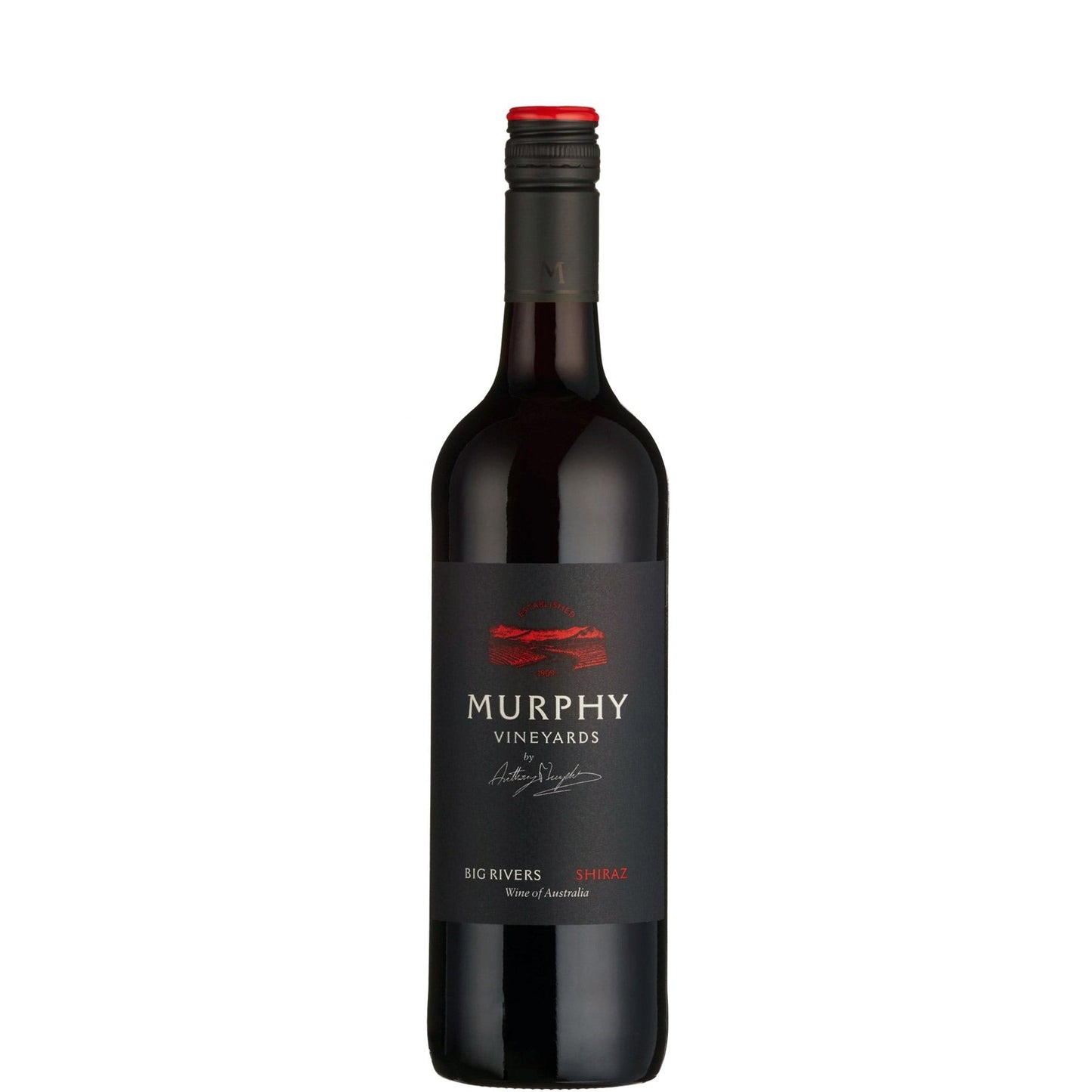
Murphy Vineyards, Shiraz, 2023
Murphy Vineyards, Shiraz, 2023
- Red Still
- 75CL
- 14.5%
- Shiraz
Couldn't load pickup availability
Murphy Vineyards produces this Shiraz from vines in South Australia, delivering the concentrated fruit and spice character that defines Australian expressions of the variety. The 2023 vintage shows ripe blackberry and plum fruit balanced by pepper and cedar influences from careful oak treatment.
Built for medium-term cellaring, this wine will benefit from a year or two to integrate its tannins before reaching its drinking window from 2027 until 2032. The structured palate and spiced finish make it well-suited to grilled meats and hearty dishes.
The 2023 will spend its first year integrating oak and tannins, with the fruit and spice components beginning to harmonise by late 2027. Peak drinking arrives around 2028-2030 when secondary leather and earth characters develop alongside the primary fruit. The wine should maintain its structure and spice through 2032, though the fruit intensity may begin to fade slightly after this point.
Tasting Notes
AppearanceDeep ruby red with purple highlights.
NoseRipe blackberry and dark plum dominate the aromatics. White pepper spice emerges with aeration, accompanied by cedar and vanilla oak. Subtle eucalyptus and dried herb accents add complexity.
PalateFull-bodied with concentrated dark fruit flavours of blackberry and plum. Black pepper spice runs through the mid-palate, supported by well-integrated oak and firm but ripe tannins. Good acidity provides balance to the rich fruit weight.
FinishLong finish with persistent spice and dark fruit, cedar oak, and chalky tannins.
Overall impressionA well-structured Australian Shiraz showing typical varietal character with good potential for medium-term cellaring.
Food Pairings
South Australians traditionally pair their bold Shiraz with barbecued meats, particularly lamb with rosemary and garlic. Kangaroo and other native game meats are classic matches, often served with native pepper berry seasonings. Rich meat pies and sausages with onion gravy represent everyday pairings, whilst more elaborate dishes include slow-cooked beef with root vegetables. The wine's structure also complements aged hard cheeses and charcuterie platters featuring spiced salamis.
We think this wine would go well with
Serve at 16-18°C to allow the fruit and spice complexity to emerge fully. Decant for 30-45 minutes to soften the tannins and integrate the oak. Use large Burgundy glasses or Syrah-specific bowls to concentrate the aromatics whilst allowing proper aeration. The wine benefits from breathing time to reveal its full character.
The vineyards benefit from South Australia's warm continental climate with hot, dry summers and cool nights that preserve acidity. Free-draining sandy loam soils over limestone provide good drainage whilst retaining enough moisture for steady ripening. The combination of warm days and cool nights allows for full phenolic ripeness whilst maintaining freshness in the final wine.
South Australia encompasses multiple wine regions across the state, from the premium Adelaide Hills to the warm inland areas. The appellation allows blending between regions, giving winemakers flexibility to craft wines that express the broader state character. This freedom from restrictive regional boundaries has enabled Australian producers to develop distinctive styles that emphasise fruit purity and varietal expression over strict terroir designation.
The 2023 growing season in South Australia delivered challenging conditions that demanded careful vineyard management. A wet winter provided excellent soil moisture reserves, but spring brought variable weather patterns that required vigilant canopy management. Summer heat was intense but not extreme, with crucial cool nights preserving acidity levels. The harvest period saw generally favourable conditions, though timing proved critical as growers navigated pockets of rain and rapidly changing weather windows across the diverse regions from the Barossa to McLaren Vale.
The resulting wines show excellent concentration and balance, with red varieties particularly impressive. Shiraz displays rich, structured character with good colour depth and well-integrated tannins, whilst Cabernet Sauvignon shows classic varietal expression with firm backbone. White varieties maintained bright acidity despite the warm conditions, with Riesling and Chardonnay showing excellent potential. Quality levels are high across the board, though not reaching the exceptional heights of legendary years. These wines will benefit from 2-3 years of cellaring to fully integrate, with the reds showing excellent long-term ageing potential through the 2030s and beyond.
FAQs
What makes Australian Shiraz different from French Syrah?
Australian Shiraz typically shows riper fruit flavours and more prominent spice character due to warmer growing conditions. The style tends towards fuller body and higher alcohol, with oak integration playing a more prominent role than in most French Syrah expressions.
How long should I cellar this 2023 Shiraz?
This wine will improve with 1-2 years of cellaring from release, reaching its peak between 2028-2030. It should drink well until 2032, though the vibrant fruit character will be at its best in the earlier part of this window.
What food pairs best with medium-bodied Australian Shiraz?
Grilled lamb with herbs, beef steaks with pepper sauce, and barbecued sausages are classic matches. The wine's spice character also complements game meats, rich stews, and aged hard cheeses particularly well.
Should I decant this wine?
Yes, decanting for 30-45 minutes will help integrate the tannins and allow the oak to harmonise with the fruit. Young vintages particularly benefit from this breathing time to show their full potential.
What serving temperature brings out the best in Shiraz?
Serve at 16-18°C to balance the fruit richness with the wine's structure. Too warm and the alcohol becomes prominent; too cool and the spice and complexity are muted.
How does South Australian terroir influence this wine?
The warm continental climate produces ripe, concentrated fruit whilst cool nights preserve acidity. Sandy loam soils over limestone provide drainage whilst retaining enough moisture for steady ripening, contributing to the wine's balanced structure.
-
Free UK Delivery
Learn about deliveryGet free UK delivery when you spend £75 or more on duty paid wine
-
Save 30% on a host of quality wines
Our fine wines are sourced from our sister retailers, but offered at a substantial discount to their previous selling prices.