

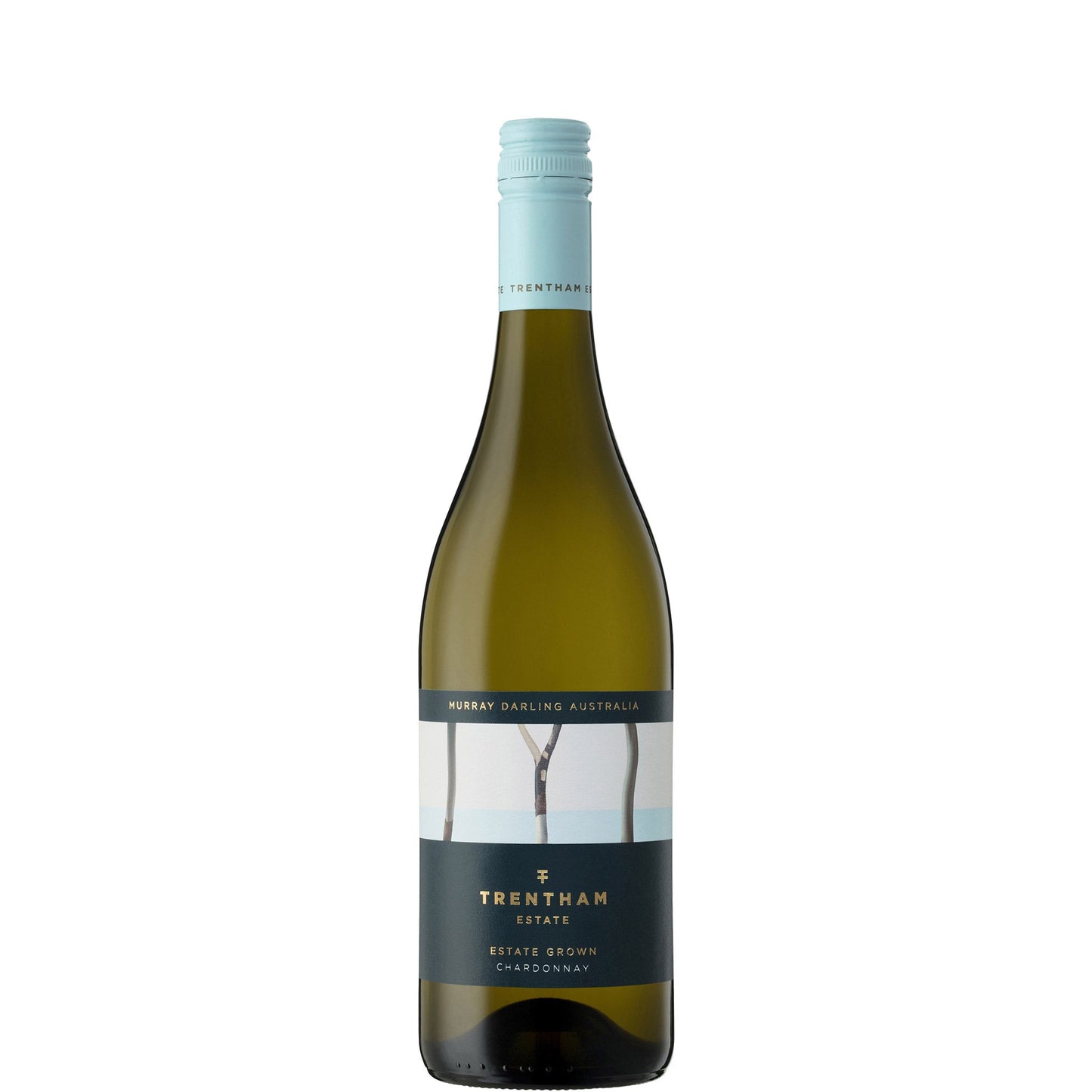
Trentham Estate Chardonnay, 2024
Trentham Estate Chardonnay, 2024
- White Still
- 75CL
- 13%
- Chardonnay
Couldn't load pickup availability
Trentham Estate crafts this Chardonnay in the Murray River region of New South Wales, where warm days and cool nights create ideal conditions for crisp, food-friendly whites. The 2024 vintage delivers bright citrus flavours with restrained use of oak, allowing the fruit character to shine through.
This approachable style captures fresh green apple and citrus flavours with a clean, mineral finish. Best enjoyed young to appreciate its vibrant acidity and primary fruit character, drink until 2028.
This 2024 Chardonnay is designed for early drinking whilst the primary fruit flavours remain vibrant and fresh. Over the next year, the citrus and apple character will remain prominent whilst the oak integration becomes more seamless. By 2028, the wine will begin losing its youthful freshness, with fruit flavours becoming more muted and the acidity softening. This style does not benefit from extended cellaring, as its charm lies in the bright, immediate fruit character that defines young Chardonnay from warm Australian regions.
Tasting Notes
AppearancePale straw with green highlights and brilliant clarity.
NoseFresh green apple and citrus blossom aromas lead, followed by subtle tropical fruit character. Light vanilla and toast from restrained oak aging add gentle complexity. Clean mineral undertones provide an appetising backdrop.
PalateCrisp entry with bright acidity carrying flavours of green apple, lime zest, and white peach. The mid-palate shows good weight without heaviness, with subtle oak spice balancing the fresh fruit. Mineral notes emerge on the back palate, adding length and interest.
FinishClean and refreshing with lingering citrus and a touch of chalky minerality.
Overall impressionA well-balanced, food-friendly Chardonnay that emphasises freshness and drinkability over complexity.
Food Pairings
In New South Wales, this style of fresh Chardonnay pairs beautifully with the region's abundant seafood, particularly Sydney rock oysters, barramundi, and Morton Bay bugs. Local favorites include fish and chips from coastal towns, prawn cocktails, and fresh crab salads. The wine's crisp acidity complements the char on barbecued prawns and scallops, staples of Australian outdoor dining. Asian-influenced dishes popular in Sydney, such as salt and pepper squid or steamed fish with ginger, work exceptionally well with the wine's clean, bright character.
We think this wine would go well with
Serve well-chilled at 8-10°C in medium-sized white wine glasses to concentrate the fresh aromatics. No decanting required as this wine is made for immediate enjoyment. Chill for at least two hours before serving, or 20 minutes in an ice bucket. Burgundy-shaped glasses work well, though standard white wine glasses are perfectly suitable for this approachable style.
The Murray River region benefits from warm, dry summers and mild winters, with irrigation from the river essential for grape growing. Sandy loam soils over limestone provide good drainage whilst retaining sufficient moisture during the growing season. Cool evening breezes help preserve acidity in the grapes, creating the fresh, crisp character typical of the region's white wines. The continental climate allows for extended ripening periods that develop flavour whilst maintaining natural acidity.
New South Wales encompasses diverse wine regions from the cool climate Hunter Valley to the warm inland areas along the Murray River. The Murray River region specifically focuses on high-volume, fruit-forward wines that benefit from consistent sunshine and river irrigation. Compared to cooler regions like the Hunter Valley or Adelaide Hills, Murray River Chardonnays tend toward riper fruit flavours with less mineral complexity. The region's strength lies in producing approachable, well-balanced wines at accessible price points.
The 2024 vintage in New South Wales unfolded as a tale of contrasts, with producers navigating variable conditions across the state's diverse wine regions. Spring brought promising flowering conditions, though summer heat required careful canopy management and strategic picking decisions. The Hunter Valley, Mudgee, and Orange each faced their own particular challenges, with timing proving crucial for capturing optimal ripeness while maintaining the natural acidity that defines the state's finest expressions. Those who adapted their approach to the season's rhythm were rewarded with fruit of genuine character.
This vintage has produced wines with appealing freshness and regional definition, particularly where producers exercised restraint in extraction and handling. Semillon from the Hunter Valley shows the variety's characteristic mineral backbone, whilst Chardonnay displays promising weight without losing elegance. The reds reveal good colour and structure, suggesting wines that will develop gracefully over the medium term. Most 2024 New South Wales wines will benefit from 12-18 months of bottle age before reaching their stride, with the potential for extended cellaring in the case of the region's most structured examples.
FAQs
What food pairs best with this Chardonnay?
Fresh seafood, particularly oysters, grilled fish, and prawns work excellently. The wine's crisp acidity also complements chicken dishes, Caesar salad, and soft cheeses like brie or camembert.
Should I age this wine or drink it now?
This Chardonnay is made for early drinking to enjoy its fresh, vibrant character. Consume by 2028 whilst the primary fruit flavours remain bright and appealing.
What's the ideal serving temperature?
Serve well-chilled at 8-10°C. Chill in the refrigerator for at least two hours or 20 minutes in an ice bucket before serving.
How does this compare to Burgundian Chardonnay?
This Australian style emphasises fresh fruit and approachability rather than the mineral complexity and oak integration typical of Burgundy. It's more immediately accessible with brighter acidity and cleaner fruit flavours.
What makes Murray River Chardonnay distinctive?
The warm, dry climate produces riper fruit flavours whilst cool evening breezes preserve acidity. River irrigation allows consistent production of fruit-forward styles with good balance and value.
Does this wine contain sulphites?
Yes, like virtually all commercial wines, this contains sulphites which are added to preserve freshness and prevent oxidation during storage and transport.
-
Free UK Delivery
Learn about deliveryGet free UK delivery when you spend £75 or more on duty paid wine
-
Save 30% on a host of quality wines
Our fine wines are sourced from our sister retailers, but offered at a substantial discount to their previous selling prices.