

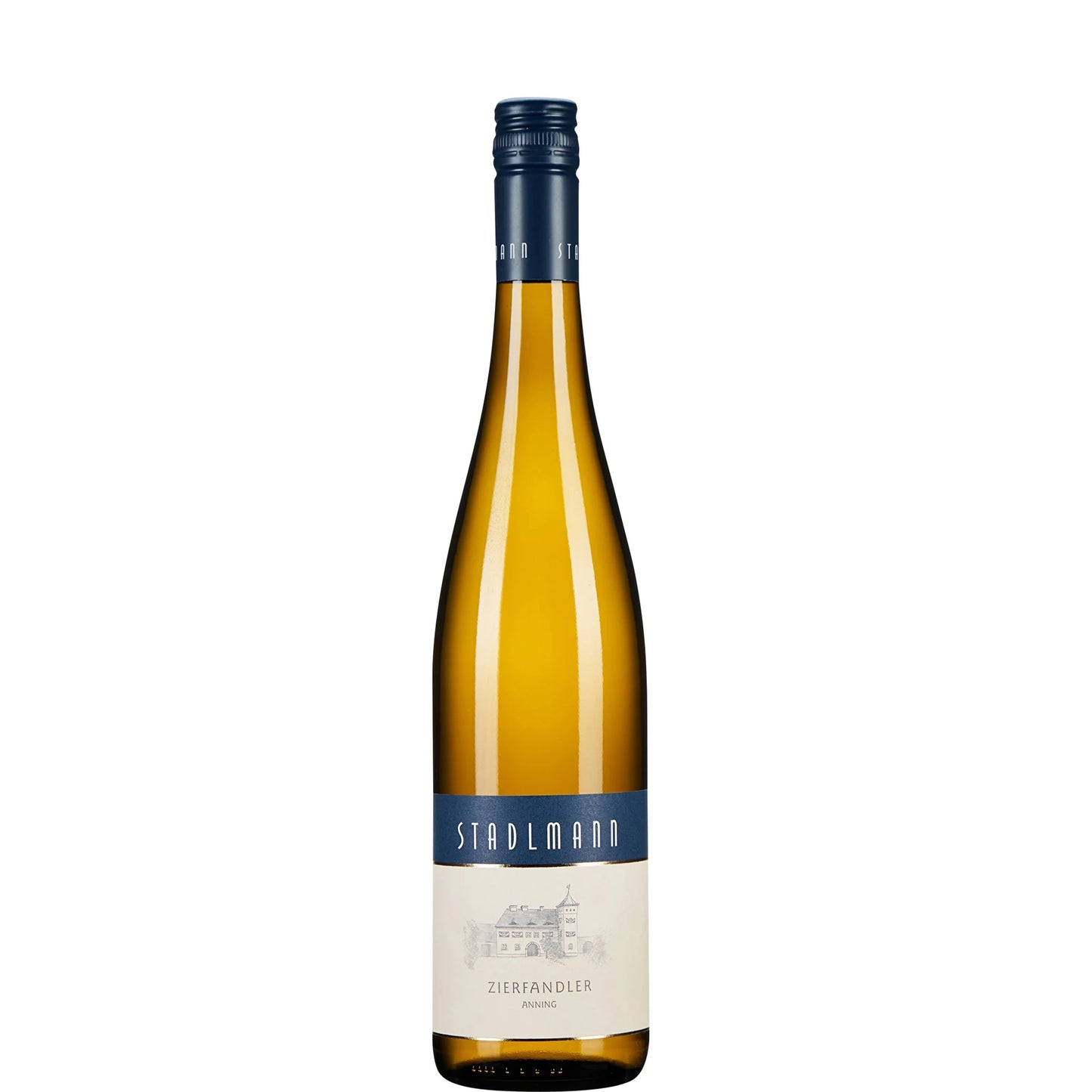
Weingut Stadlmann, Zierfandler Anninger, 2018
Weingut Stadlmann, Zierfandler Anninger, 2018
- White Still
- 75CL
- 13%
- Organic
- Zierfandler
Couldn't load pickup availability
Sourced from the slopes of the Anninger hill, Weingut Stadlmann's 2018 Zierfandler Anninger offers a pale golden hue and a gently aromatic nose of ripe pear, orange peel, wild herbs, and honeyed citrus, with a flinty mineral lift. On the palate, it's medium-bodied and textural, with a waxy richness balanced by fresh acidity. Notes of stone fruit, lemon balm, and toasted almond evolve into a long, slightly spicy, and saline finish.
Complex yet understated, this wine is ideal with rich seafood, white meats, or Central European cuisine.
Weingut Stadlmann is a seventh-generation, family-run estate based in the Thermenregion of Austria, just south of Vienna. The region is known for its limestone soils and rare indigenous white varieties—Zierfandler and Rotgipfler—which thrive in the warm days and cool nights. Stadlmann is one of the top producers championing these traditional grapes through certified organic farming and precise, minimalist winemaking.
Their 2018 Zierfandler is drinking beautifully now, having integrated its primary fruit with developing secondary characteristics. The waxy texture will become more pronounced over the next 2-3 years whilst retaining its fresh acidity. By 2029, expect the mineral elements to become more prominent as the fruit softens into honeyed maturity. The wine's peak drinking window spans 2026-2032, after which the delicate balance may begin to fade, though good bottles can hold longer.
Tasting Notes
AppearancePale gold with brilliant clarity and subtle green reflections.
NoseThe aromatics open with ripe pear and orange peel, followed by wild herbs and honeyed citrus. A distinctive flinty minerality lifts the bouquet, adding complexity without overwhelming the fruit. There's a subtle waxy quality that speaks to the variety's unique character.
PalateMedium-bodied with a distinctive waxy richness balanced by fresh, limestone-driven acidity. Stone fruit flavours develop alongside lemon balm and toasted almond, creating layers of flavour without heaviness. The texture is notably tactile, coating the palate whilst remaining vibrant and food-friendly.
FinishLong and gently spicy with a saline minerality that lingers and invites another sip.
Overall impressionA complex yet understated expression of Zierfandler that balances richness with freshness, showcasing the variety's unique personality.
Food Pairings
In the Thermenregion, Zierfandler traditionally accompanies the hearty cuisine of Lower Austria. Local specialities include Wiener Schnitzel with its buttery, lemony richness, perfectly matched by the wine's acidity and texture. River fish from the Danube, particularly pike-perch and carp, are classic pairings, often prepared with cream sauces that echo the wine's waxy character. The wine also complements Tafelspitz, Austria's beloved boiled beef dish served with horseradish and apple sauce. During harvest season, it's enjoyed with roasted goose and pumpkin dishes that celebrate autumn's bounty.
We think this wine would go well with
Serve at 10-12°C in a medium-sized white wine glass to concentrate the aromatics whilst allowing the waxy texture to develop properly. No decanting is necessary, though the wine benefits from 15-20 minutes in the glass to fully open. The wine's food-friendly acidity and moderate alcohol make it versatile throughout a meal, though it shines brightest with richer dishes that complement its textural weight.
The Anninger vineyard sits on the limestone-rich slopes of the Anninger hill in the Thermenregion, south of Vienna. These calcareous soils provide excellent drainage whilst retaining enough moisture for the vines during Austria's warm summers. The elevation creates a diurnal temperature variation that preserves acidity in the grapes whilst allowing full phenolic ripeness. This terroir gives Zierfandler its characteristic mineral backbone and waxy texture.
The Thermenregion DAC was established to protect and promote Austria's indigenous white varieties, particularly Zierfandler and Rotgipfler. Located between the Vienna Woods and the Pannonian Plain, the region benefits from warm, continental summers and limestone-dominated soils. Unlike neighbouring regions that focus on international varieties, Thermenregion's identity is built around these rare local grapes that produce distinctive, food-friendly wines. The appellation rules emphasise traditional winemaking methods and varietal purity.
The 2018 growing season in Thermenregion benefited from Austria's exceptional vintage conditions, with warm, dry weather allowing for extended ripening periods. The region's volcanic soils and Pannonian climate influence proved particularly advantageous during the hot summer, helping to retain crucial acidity in the grapes. Harvest began earlier than usual, with producers able to pick at optimal ripeness levels without the threat of autumn rains that can plague this eastern Austrian region.
This vintage produced wines of notable concentration and balance, with both the indigenous white varieties Zierfandler and Rotgipfler showing excellent structure and ageing potential. The reds, particularly Pinot Noir and St. Laurent, achieved impressive colour depth and tannin development. Quality levels rank among the finest of recent years for Thermenregion, though 2018 remains relatively unknown compared to more famous Austrian regions. The whites are drinking beautifully now and will continue to develop over the next 5-8 years, whilst the reds are approaching their drinking window and should cellar well into the 2030s.
FAQs
What makes Zierfandler unique among Austrian white wines?
Zierfandler is indigenous to Austria's Thermenregion and produces wines with a distinctive waxy texture and mineral backbone that sets it apart from international varieties. The grape naturally retains acidity whilst developing rich, honeyed flavours.
How does this compare to more familiar Austrian whites like Grüner Veltliner?
Whilst Grüner Veltliner offers green herbaceous character and zippy acidity, Zierfandler is rounder and more textural, with stone fruit flavours and a waxy mouthfeel that makes it excellent with richer foods.
Is this wine ready to drink now or should I cellar it?
The 2018 is drinking superbly now and will continue to develop until 2032. Whilst it can age longer, Zierfandler is best enjoyed for its fresh fruit and mineral balance rather than extended cellaring.
What food pairings work best with Zierfandler?
The wine's waxy texture and bright acidity make it superb with rich seafood, white meats, and cream-based dishes. It particularly excels with Austrian and Central European cuisine, schnitzel, and river fish preparations.
Why is Weingut Stadlmann considered a leading Thermenregion producer?
Stadlmann has championed indigenous varieties for seven generations, combining traditional knowledge with organic farming practices. They're recognised for producing some of the finest expressions of Zierfandler and Rotgipfler in Austria.
-
Free UK Delivery
Learn about deliveryGet free UK delivery when you spend £75 or more on duty paid wine
-
Save 30% on a host of quality wines
Our fine wines are sourced from our sister retailers, but offered at a substantial discount to their previous selling prices.